
Pull to refresh
Logo
FDA declines to approve Zydus's saroglitazar over Moraiya plant findings

FDA declines to approve Zydus's saroglitazar over Moraiya plant findings

Rule Changes

The liver drug hit its main trial goal, with 56.7% of patients responding against 9.8% on placebo. The Ahmedabad plant that would make it has five unresolved inspection observations.

Overview

Updated 9 minutes ago

Saroglitazar moved the bile-duct damage marker that regulators use to judge primary biliary cholangitis (PBC) treatments in 56.7% of patients at 52 weeks, against 9.8% on placebo. On November 26, 2026, the Food and Drug Administration (FDA) told Zydus Therapeutics it would not approve the drug in its current form, and the reason it gave was the factory, not the trial.

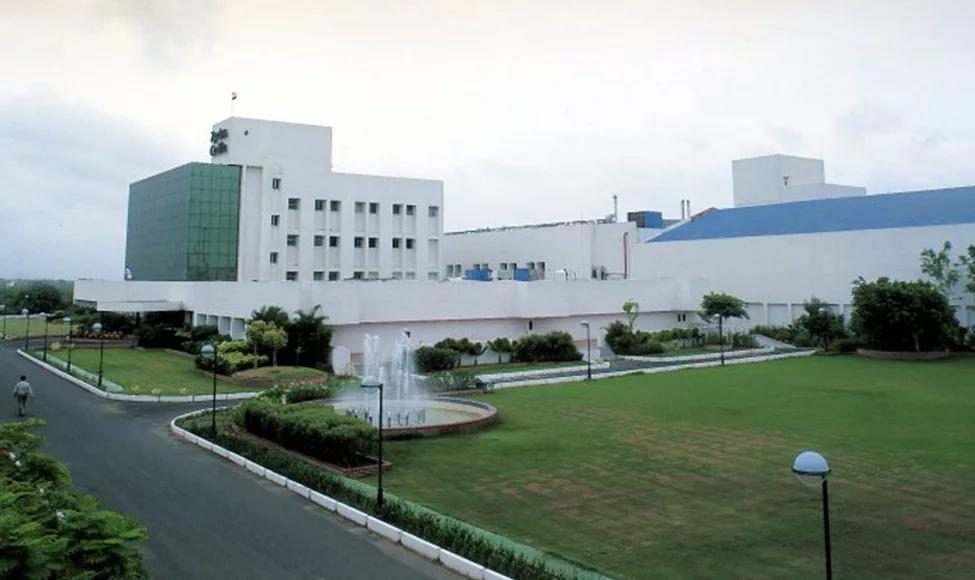
Zydus's filing with the National Stock Exchange ties the complete response letter (CRL) to the company's plan for resolving five observations from an October 5 to 13, 2026 inspection of its Moraiya plant near Ahmedabad. The FDA had set a November 27 decision date in May, when it granted the application a priority review. Zydus had planned a March 2027 US launch and projected $200 million in peak annual sales.

Why it matters

For patients with a rare liver disease, the difference between a new pill and none now comes down to a factory inspection, not the trial.

Questions about this story

Free account needed to ask — your question is kept and asked for you right after sign-up. Answers are public.

No questions yet — be the first to ask.

Key Indicators

56.7%
Patients meeting the primary endpoint at week 52
Saroglitazar with or without ursodeoxycholic acid in the 148-patient EPICS-III trial.
9.8%
Placebo response on the same endpoint
The gap was reported as p<0.001.
5
Form 483 observations at Moraiya
The count the company disclosed when the October 2026 inspection closed.
$200M
Peak annual US sales Zydus projected
Company estimate for two to three years after a launch.
148
Patients in the EPICS-III trial
Two of every three received 1 mg of saroglitazar; the rest got placebo.

Voices

Curated perspectives — historical figures and your fellow readers.

Sign up to generate historical perspectives on this story.

People Involved

Organizations Involved

Timeline

April 2022 November 2026

8 events Latest: 2 days ago
Tap a bar to jump to that date
  1. FDA issues complete response letter for saroglitazar

    Latest Regulatory

    Zydus files with the exchange at 3:55 p.m. IST; the letter cites the Moraiya resolution plan, not the trial.

  2. FDA issues inspection reports for two other Zydus sites

    Regulatory

    SEZ II in Ahmedabad is classified Voluntary Action Indicated; API Unit 2 at Ankleshwar also gets a report.

  3. Zydus tells analysts Moraiya is under 30% of US revenue

    Statement

    On the earnings call, management says queries were answered and still expects a March launch.

  4. Moraiya inspection closes with five observations

    Inspection

    Zydus tells the exchanges the inspection closed with five observations on a Form 483.

  5. FDA inspects the Moraiya plant

    Inspection

    The inspection of the Ahmedabad-area formulation site runs through October 13.

  6. Full trial results presented at EASL in Barcelona

    Data

    Zydus shows the complete EPICS-III results at the European liver meeting.

  7. FDA grants priority review, sets November 27 goal date

    Regulatory

    The agency accepts the application for a fast review with a decision target of November 27, 2026.

  8. EPICS-III trial begins

    Clinical trial

    Zydus starts a 148-patient, 52-week phase 3 study of saroglitazar in primary biliary cholangitis.

Scenarios

1

FDA approves saroglitazar after Zydus fixes Moraiya

Possible Resolves by Q2 2027

Discussed by: Zydus management on its November 4 earnings call; MLQ.ai's account of the filing

Zydus submits a corrective plan for the five observations, the FDA accepts it, and the agency finishes its review of the application. A complete response letter does not end a filing: the company can resubmit, and the agency then sets a new action date. Zydus has said it is working with the agency and had planned a March 2027 launch.

2

Second complete response letter pushes the launch past 2027

Possible Resolves by End of 2027

Discussed by: Roundsmed, which calls the plant the real risk rather than the data

The agency reviews Zydus's response and finds the plant fixes insufficient, issuing another letter. Each review cycle runs months, and the $200 million peak-sales estimate Zydus gave would slide further out. The company has not given a new timeline since the letter.

3

FDA escalates Moraiya to Official Action Indicated

Unlikely Resolves by Q1 2027

Discussed by: Roundsmed, which describes an official action finding as the scenario that would put the plant under heavier oversight

After reviewing Zydus's response, the FDA classifies the October inspection as Official Action Indicated, a step short of a warning letter or import alert. That would tighten scrutiny of the site and could hold up other applications filed from it, though Zydus has said few of its pending filings come from Moraiya.

Historical Context

2 moments from history that rhyme with this story — and how they unfolded.

2008–2014

Ranbaxy's plant import bans (2008–2014)

The FDA blocked imports from Ranbaxy's Paonta Sahib and Dewas plants in 2008 after finding manufacturing violations. In 2013 the company pleaded guilty to charges tied to substandard drugs made at those sites and paid $500 million, and a consent decree placed several plants under outside supervision.

Then

US sales fell and the Indian company's manufacturing record became a liability in every regulatory conversation.

Now

Daiichi Sankyo sold Ranbaxy to Sun Pharmaceutical in 2014, and plant compliance became a board-level concern across Indian pharma.

Why this matters now

Zydus's letter follows the same mechanism: the factory gates the product, whatever the science says.

May 2016

Obeticholic acid's accelerated approval for PBC (2016)

The FDA granted accelerated approval to Intercept Pharmaceuticals' Ocaliva for primary biliary cholangitis based on reductions in alkaline phosphatase, a blood marker, rather than on proven clinical benefit. It was the first new PBC treatment in nearly two decades.

Then

The drug became the standard add-on for patients who did not respond adequately to ursodeoxycholic acid.

Now

The confirmatory COBALT trial missed its primary endpoint in 2021, and by 2024 the FDA had moved to withdraw the drug. The episode left the agency's reliance on alkaline phosphatase as a surrogate unsettled.

Why this matters now

Saroglitazar's application rests on the same alkaline phosphatase endpoint. The November letter did not raise the endpoint; it raised the plant.

Sources

(8)

Same owner: New Drug Watch and Newzino are both owned by Bionics LLC.