
Pull to refresh
Logo
FDA rejects ivonescimab over missing survival benefit

FDA rejects ivonescimab over missing survival benefit

Rule Changes

Summit's lung cancer drug delayed tumor progression, but regulators required a statistically significant overall survival gain.

Overview

Updated 40 minutes ago

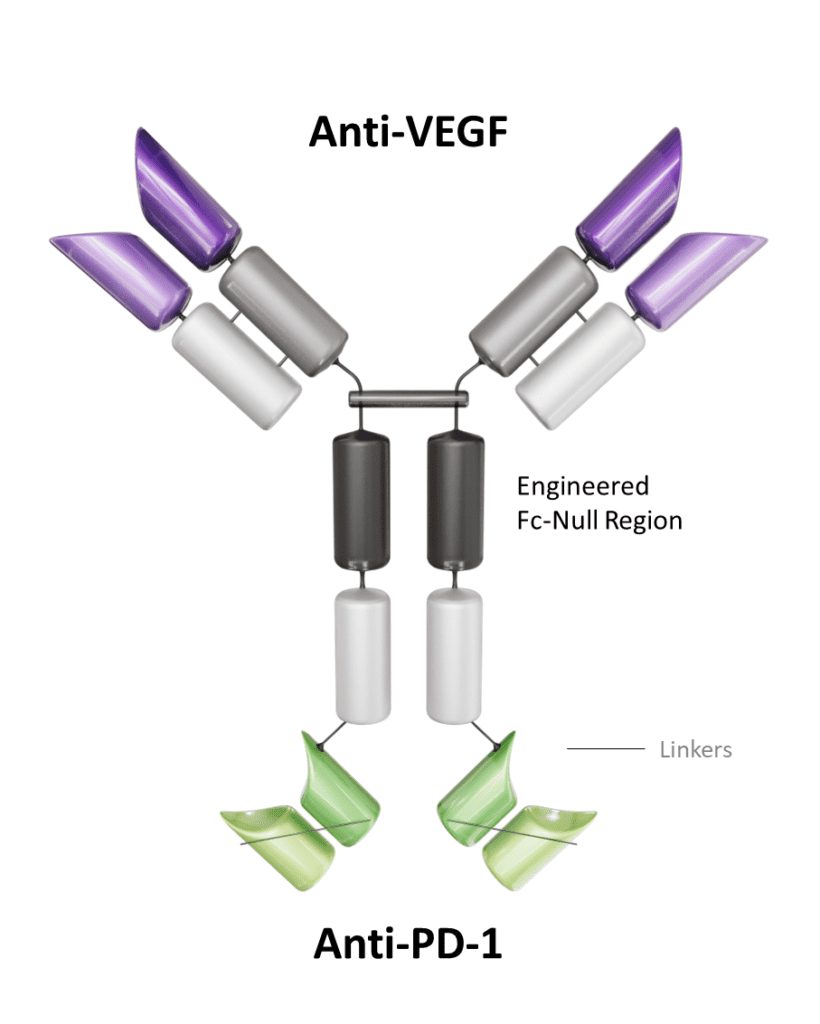
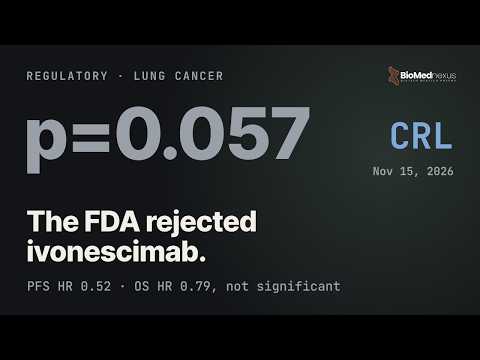
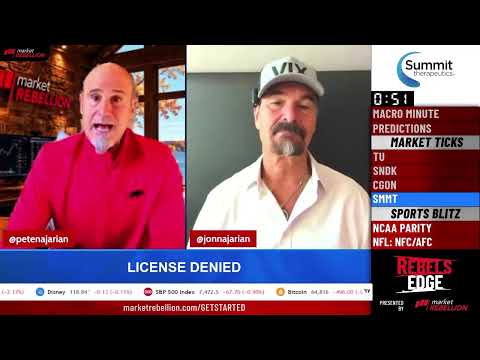
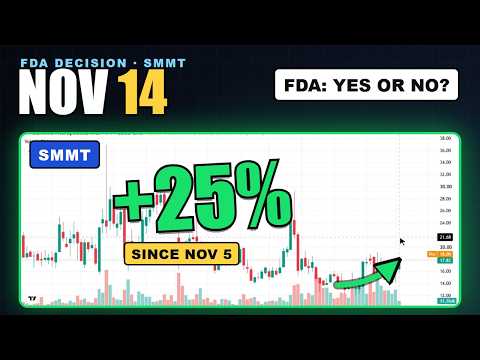
Summit Therapeutics' shares fell 15% on Nov. 16. The drop followed the Food and Drug Administration's rejection of ivonescimab, a lung cancer drug that targets two proteins called PD-1 and VEGF and had drawn attention as a potential challenge to Merck's Keytruda. The agency issued a complete response letter, meaning the application cannot be approved in its current form.

The FDA's objection was specific: the drug delayed tumor progression but did not show a statistically significant gain in overall survival, or the time patients live after starting treatment. The agency said progression-free survival alone did not support approval. It rejected Summit's later data showing a survival benefit in Western patients.

Why it matters

The rejection keeps a China-developed Keytruda rival off the US market and raises the bar for a crowded class of PD-1/VEGF drugs.

Questions about this story

Free account needed to ask — your question is kept and asked for you right after sign-up. Answers are public.

No questions yet — be the first to ask.

Key Indicators

15%
Summit share decline
Fall on Nov. 16, the first trading day after the FDA rejection.
22%
Akeso share decline
Hong Kong-listed shares fell the same day.
0.98
Western overall survival hazard ratio
At HARMONi's primary analysis; 1.0 means no difference between arms.
0.76
Updated Western hazard ratio
By June 2026, implying a 24% lower risk of death.
26%
China HARMONi-A survival benefit
Death risk reduction at final analysis in the China-only trial.
$2 billion
AstraZeneca investment
Cash injection into Summit weeks before the FDA decision.

Voices

Curated perspectives — historical figures and your fellow readers.

Sign up to generate historical perspectives on this story.

People Involved

Organizations Involved

Timeline

2022 November 2026

10 events Latest: Yesterday
Tap a bar to jump to that date
  1. Summit and Akeso shares plunge

    Latest Market

    Summit fell 15% and Akeso 22% as investors absorbed the rejection.

  2. FDA issues complete response letter

    Regulatory

    The agency said PFS alone did not establish effectiveness without a significant OS benefit.

  3. Summit shares fall 6% ahead of FDA deadline

    Market

    Investors sold ahead of the decision deadline.

  4. Leerink puts approval odds at 40%

    Analysis

    Leerink analysts assigned a 40% probability, citing the FDA's survival requirement.

  5. Updated HARMONi data show Western survival benefit

    Clinical trial

    The Western OS hazard ratio improved to 0.76, matching the full trial.

  6. HARMONi-3 squamous cohort misses PFS significance

    Clinical trial

    An interim analysis in first-line squamous lung cancer missed statistical significance, unsettling investors.

  7. HARMONi's primary survival analysis shows no Western benefit

    Clinical trial

    The OS hazard ratio was 0.98 in the Western subgroup, indicating no survival benefit.

  8. China approves ivonescimab for EGFR-mutated lung cancer

    Regulatory

    Akeso won its first approval in the same indication Summit later targeted in the US.

  9. Ivonescimab beats Keytruda in lung cancer trial

    Clinical trial

    A trial result showed ivonescimab outperformed Merck's Keytruda, sparking investment in PD-1/VEGF drugs.

  10. Summit licenses ivonescimab from Akeso

    Deal

    Summit acquired most rights to the PD-1/VEGF bispecific from China's Akeso.

Scenarios

1

Summit resubmits after HARMONi-3 shows a survival benefit

Possible Resolves by End of 2027

Discussed by: TD Cowen's Tyler Van Buren and Leerink's Daina Graybosch

If HARMONi-3 shows ivonescimab plus chemotherapy beats Keytruda plus chemotherapy on overall survival, Summit could file again with the data the FDA says it wants. The rejection applies to the current application, not the drug permanently. A new submission would need a statistically significant survival result at a prespecified analysis.

2

HARMONi-3 misses its primary endpoint

Possible Resolves by Q2 2027

Discussed by: Leerink Partners

Leerink called HARMONi-3 the real test. The trial's squamous cohort already missed statistical significance on progression-free survival at an interim analysis in April 2026. A final miss in either cohort would undercut the case that ivonescimab can compete in the US first-line market, where Keytruda is standard.

3

FDA approves ivonescimab in first-line lung cancer

Possible Resolves by Q2 2028

Discussed by: TD Cowen's Tyler Van Buren

Van Buren said the EGFR rejection should have limited read-through to the larger first-line opportunity. If HARMONi-3 succeeds, Summit could seek approval in previously untreated patients, a far bigger market. That path would still require the FDA to accept the trial's design and survival data.

Historical Context

3 moments from history that rhyme with this story — and how they unfolded.

February 2008-November 2011

Avastin's breast cancer withdrawal (2008-2011)

The FDA granted accelerated approval to Genentech's Avastin for metastatic breast cancer in 2008 based on a trial showing it delayed tumor progression. The drug did not improve overall survival, and the FDA's oncology advisers voted 12-1 in 2010 to withdraw the indication. Genentech appealed; the agency's commissioner upheld the withdrawal in 2011.

Then

Avastin came off the breast cancer label in November 2011.

Now

The case became a reference point for the FDA's position that progression-free survival alone may not justify approval when overall survival data are available.

Why this matters now

Ivonescimab targets VEGF, and the FDA applied similar logic: delaying progression did not outweigh the absence of a survival gain.

February 2022-March 2022

Sintilimab's China-only FDA rejection (2022)

Eli Lilly and Innovent sought US approval for sintilimab, a PD-1 inhibitor, based on a trial run entirely in China. In February 2022, FDA advisers voted 14-1 that the data were not adequate for the US population. Lilly withdrew the application the following month.

Then

The rejection stalled the first wave of China-only oncology filings in the US.

Now

It pushed Chinese drugmakers and their partners toward global trials with Western patients.

Why this matters now

Ivonescimab's HARMONi trial included sites outside Asia, but more than 60% of patients were from China, and the FDA focused on the Western subgroup's survival data.

June 2021-April 2022

Aduhelm's accelerated approval (2021)

The FDA granted accelerated approval to Biogen's Aduhelm for Alzheimer's disease in 2021 based on its ability to clear amyloid plaques, a surrogate marker, despite conflicting clinical trial results. The approval drew criticism from the agency's own advisers. Medicare later restricted coverage.

Then

Biogen's launch stalled as Medicare limited coverage in 2022.

Now

The episode showed the FDA could accept surrogate endpoints in some diseases, even as it demanded survival gains in oncology.

Why this matters now

The contrast shows the FDA's standard is not uniform across disease areas.

Sources

(8)