Pull to refresh
Logo
Daily Brief
Following
Why
Major nor'easter buries US Northeast under blizzard conditions

Major nor'easter buries US Northeast under blizzard conditions

Built World
By Newzino Staff | |

Historic blizzard dumps 2+ feet across Northeast; 600,000+ power outages as recovery efforts begin amid ongoing travel chaos

4 days ago: Storm peaks with 2+ feet snow across Northeast; outages hit 600,000

Overview

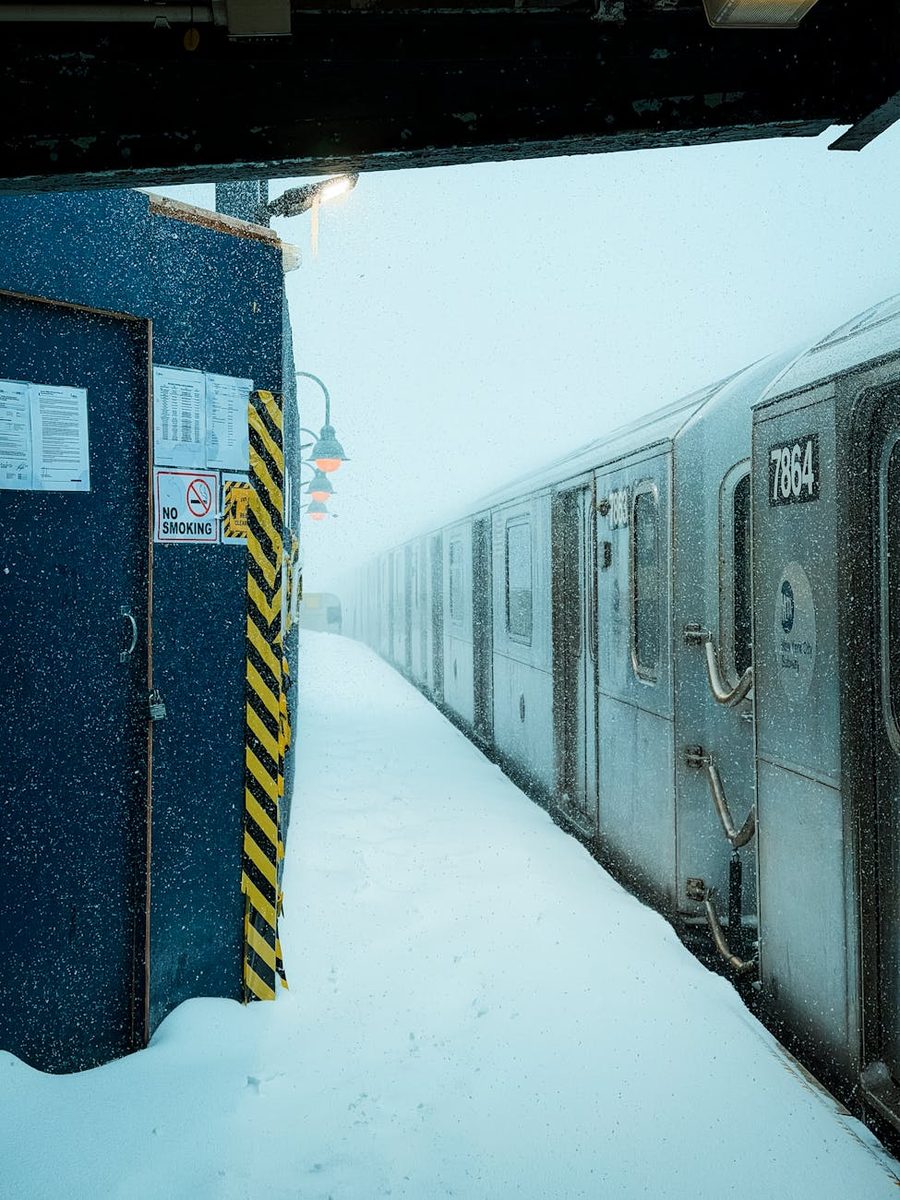
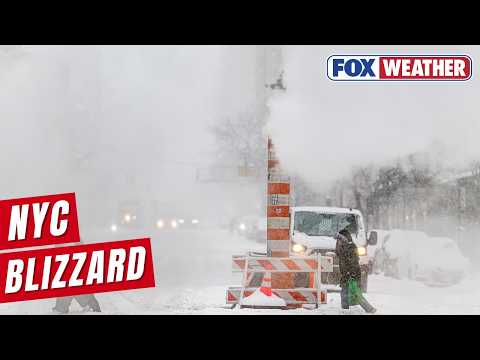
A historic nor'easter that developed into a bomb cyclone on February 22-23, 2026, buried the Interstate 95 corridor from Philadelphia to Boston under one to two feet of heavy, wet snow, with final totals exceeding 2 feet in parts of New Jersey (30.7 inches in Lyndhurst) and 19 inches in New York City on February 24. Wind gusts reached 70 mph, snowfall rates hit 2-3 inches per hour, and coastal flooding impacted 80 to 100 million people across the Mid-Atlantic to New England.

Key Indicators

80–100M
People affected
Approximate population from Mid-Atlantic through New England
2+ ft
Snowfall totals
Confirmed accumulations along I-95 corridor; 30.7 inches in Lyndhurst NJ, 19 inches NYC, 14 inches Staten Island
600,000+
Power outages
Customers without power across Northeast as of Feb 24 due to snow and wind damage
8,000+
Flights cancelled
Nationwide through Feb 24; additional 22,000 delayed, primarily NYC/Boston airports
70 mph
Peak wind gusts
Recorded along coastal NJ to southeast New England

Interactive

Exploring all sides of a story is often best achieved with Play.

Benjamin Franklin

Benjamin Franklin

(1706-1790) · Enlightenment · wit

Fictional AI pastiche — not real quote.

"Nature, it seems, hath delivered unto the I-95 corridor what no Act of Congress could contrive — a unanimous agreement to stay home."

Ever wondered what historical figures would say about today's headlines?

Sign up to generate historical perspectives on this story.

Sign Up

Debate Arena

Two rounds, two personas, one winner. You set the crossfire.

People Involved

Kathy Hochul
Kathy Hochul
Governor of New York (Declared state of emergency for 22+ counties, activated National Guard; warned 'the worst is yet to come')
Mikie Sherrill
Mikie Sherrill
Governor of New Jersey (Declared statewide state of emergency effective February 22)
Maura Healey
Maura Healey
Governor of Massachusetts (Activated state emergency operations center, directed non-emergency employees to stay home; declared state of emergency and deployed 200 National Guard troops)
Ned Lamont
Ned Lamont
Governor of Connecticut (Ordered partial activation of state Emergency Operations Center)

Organizations Involved

National Weather Service
Federal Agency
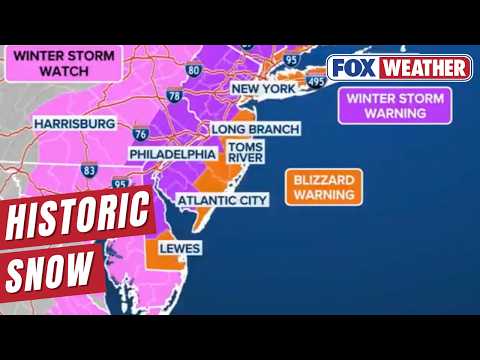
Status: Blizzard warnings extended through Feb 23 evening for NJ, DE, southeast PA including Philadelphia

The federal agency responsible for weather forecasts, warnings, and observations across the United States.

Federal Aviation Administration
Federal Agency
Status: Imposed ground delays and ground stops at major Northeast airports

The agency responsible for regulating civil aviation and managing air traffic in the United States.

Federal Emergency Management Agency (FEMA)
Federal Agency
Status: Approved emergency declarations for affected states

The federal agency responsible for coordinating disaster response and recovery across the United States.

Timeline

  1. Storm peaks with 2+ feet snow across Northeast; outages hit 600,000

    Storm Impacts

    Cumulative snowfall exceeded 2 feet along NYC-Boston corridor with 30.7 inches in Lyndhurst NJ and 19 inches in NYC. Power outages reached 600k+ customers; NJ, RI, PA, CT added emergency declarations with travel bans. 8,000+ flights cancelled, 22,000 delayed amid 600-mile blizzard warning zone and coastal flooding.

  2. Blizzard conditions persist; NYC imposes travel ban and school closures

    Storm Impacts

    Snowfall totals reached 14 inches on Staten Island and 9.3 inches in Central Park as blizzard warnings continued through evening. New York City enacted full travel ban, closed schools (first snow day since 2019), and reported widespread power outages; over 400,000 customers affected region-wide.

  3. Nor'easter makes landfall as bomb cyclone

    Storm Event

    The storm rapidly intensifies through bombogenesis off the Eastern Seaboard, delivering 1 to 2 feet of snow along the I-95 corridor with wind gusts up to 70 mph. Over 7,000 flights are cancelled. The FAA imposes ground stops at JFK, LaGuardia, and Newark. Coastal flood warnings extend from Delaware Bay to Cape Cod with 2-to-4-foot storm surge.

  4. Blizzard warnings issued; governors declare emergencies

    Emergency

    The NWS upgrades to blizzard warnings for New York City, Long Island, southern Connecticut, and coastal New England. Governors Hochul and Sherrill declare states of emergency in New York and New Jersey. New Jersey activates 3,400 road crew workers.

  5. Storm forecast intensifies sharply

    Forecast

    Models shift dramatically, showing the storm tracking closer to the coast with much heavier snow totals. The NWS issues winter storm watches across the Northeast.

  6. Forecasters flag potential nor'easter development

    Forecast

    The National Weather Service begins tracking a potential coastal storm system, initially characterized as a routine February weather event.

  7. Second bomb cyclone hits the East Coast

    Context

    A separate bomb cyclone strikes the eastern United States less than a week after the January storm, further straining snow-removal budgets and utility crews in the Northeast.

  8. January winter storm batters the East Coast

    Context

    A massive winter storm spanning 2,300 miles strikes from the Four Corners region to Maine, killing more than 50 people and leaving hundreds of thousands without power. More than 20 governors declare states of emergency.

Scenarios

1

Storm delivers historic totals, Northeast digs out over days

Discussed by: National Weather Service Weather Prediction Center, Fox Weather, Washington Post Capital Weather Gang

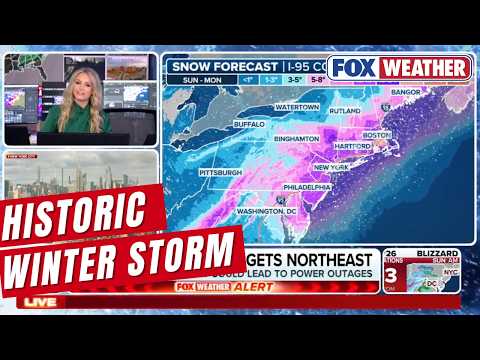
The storm meets or exceeds forecast totals of 18 to 24 inches across the urban corridor, with isolated higher amounts near the coast. Snowfall rates exceeding two inches per hour combined with 70-mph wind gusts produce whiteout conditions and widespread power outages lasting into midweek. Travel remains impossible Monday, and the weight of heavy, wet snow causes significant tree damage and structural strain. This is the scenario most forecasters consider likeliest based on model consensus as of February 22.

2

Storm track shifts offshore, totals fall short of forecasts

Discussed by: NWS ensemble model spreads, meteorological community discussions

The storm's center tracks slightly farther offshore than forecast, producing a sharper snowfall gradient that drops totals significantly for inland areas while coastal zones still take a beating. Cities like Philadelphia see 6 to 10 inches instead of 18-plus, easing travel disruption. Coastal flooding and wind damage remain significant, but the inland infrastructure impact is more manageable. This scenario reflects the outer edge of model uncertainty.

3

Coastal flooding causes major damage in low-lying communities

Discussed by: NWS coastal flood warnings, Delaware and New Jersey emergency management agencies

Storm surge of 2 to 4 feet coincides with high tide cycles late Sunday night or early Monday morning, producing moderate-to-major coastal flooding from Delaware Bay through Cape Cod. Low-lying communities in southern New Jersey and Delaware experience water levels among the highest on record. Beach erosion compounds damage from the January storms. This scenario is most acute for specific coastal areas rather than the broader region.

4

Prolonged power outages strain recovery, draw federal response

Discussed by: FEMA, state emergency management agencies, utility company projections

The combination of heavy, wet snow and sustained high winds brings down trees and power lines across the region, producing outages affecting hundreds of thousands of customers. Restoration takes days, particularly in suburban and rural areas with overhead power lines. Given that this is the third major winter storm in a month, utility crews are already fatigued and equipment is stretched thin. FEMA's existing emergency declarations allow federal resources to flow, but the cumulative strain on infrastructure becomes a political issue.

Historical Context

Winter Storm Jonas (2016)

January 2016

What Happened

A massive blizzard struck the Eastern United States from January 22 to 24, 2016, dumping a record 27.5 inches of snow on New York City's Central Park—the highest total ever recorded there. Approximately 103 million people were affected, 33 million fell under blizzard warnings, and the storm killed at least 48 people across multiple states.

Outcome

Short Term

Nearly 12,000 flights were cancelled, over 300,000 customers lost power, and travel bans were imposed across multiple states. Recovery took nearly a week in some areas.

Long Term

Jonas set the benchmark for modern nor'easter preparedness in the Northeast, prompting cities to refine their storm response protocols and pre-positioning strategies for subsequent major storms.

Why It's Relevant Today

The February 2026 nor'easter is forecast to produce snowfall totals in the same range as Jonas along the I-95 corridor, with similar population exposure and blizzard warning coverage. Jonas provides the closest recent comparison for what the Northeast may face.

North American blizzard of 1996

January 1996

What Happened

From January 6 to 8, 1996, a powerful blizzard struck the Eastern United States, affecting over 100 million people across 26 states. Snowfall totals reached one to four feet in major metropolitan areas, including significant accumulations in New York City, Philadelphia, and Washington, D.C.

Outcome

Short Term

The storm caused 154 deaths and an estimated $3 billion in damage. A rapid thaw following the blizzard produced severe flooding across the mid-Atlantic, compounding the destruction.

Long Term

The 1996 storm demonstrated how a winter event's secondary effects—particularly rapid snowmelt flooding—can rival the initial damage, informing how emergency managers plan for storm aftermath.

Why It's Relevant Today

The 2026 nor'easter arrives after a winter with repeated heavy snow events that have already saturated the region. If a warm-up follows, the 1996 pattern of post-blizzard flooding could repeat, making the total snowpack a factor beyond this single storm.

Superstorm of 1993 ('Storm of the Century')

March 1993

What Happened

From March 12 to 15, 1993, a massive cyclone struck the entire Eastern Seaboard from Florida to Maine, producing hurricane-force winds, tornadoes in the South, and heavy snow across 26 states. The storm killed 318 people and caused approximately $2 billion in damage, affecting more than 100 million people.

Outcome

Short Term

Air travel was shut down across the eastern third of the country for the first time in modern history. Some areas in the Appalachian Mountains received over four feet of snow.

Long Term

The 1993 storm led to significant improvements in winter storm forecasting and the NWS warning system, establishing the template for how the agency communicates multi-hazard winter events.

Why It's Relevant Today

Like the 1993 storm, the 2026 nor'easter involves a rapidly intensifying cyclone producing simultaneous threats—heavy snow, high winds, and coastal flooding—across a vast geographic area. The forecasting improvements born from 1993 are exactly what allowed the NWS to issue warnings days in advance for this storm.

Sources

(23)