Historic winter storm threatens 235 million as polar vortex plunges south
Force in Play
Federal Emergency Declared as Winter Storm Fern Kills 150+ from Texas to Maine; Power Restored to 95%+; Recovery Accelerated by Generator Donations and Major Disaster Requests
Federal Emergency Declared as Winter Storm Fern Kills 150+ from Texas to Maine; Power Restored to 95%+; Recovery Accelerated by Generator Donations and Major Disaster Requests
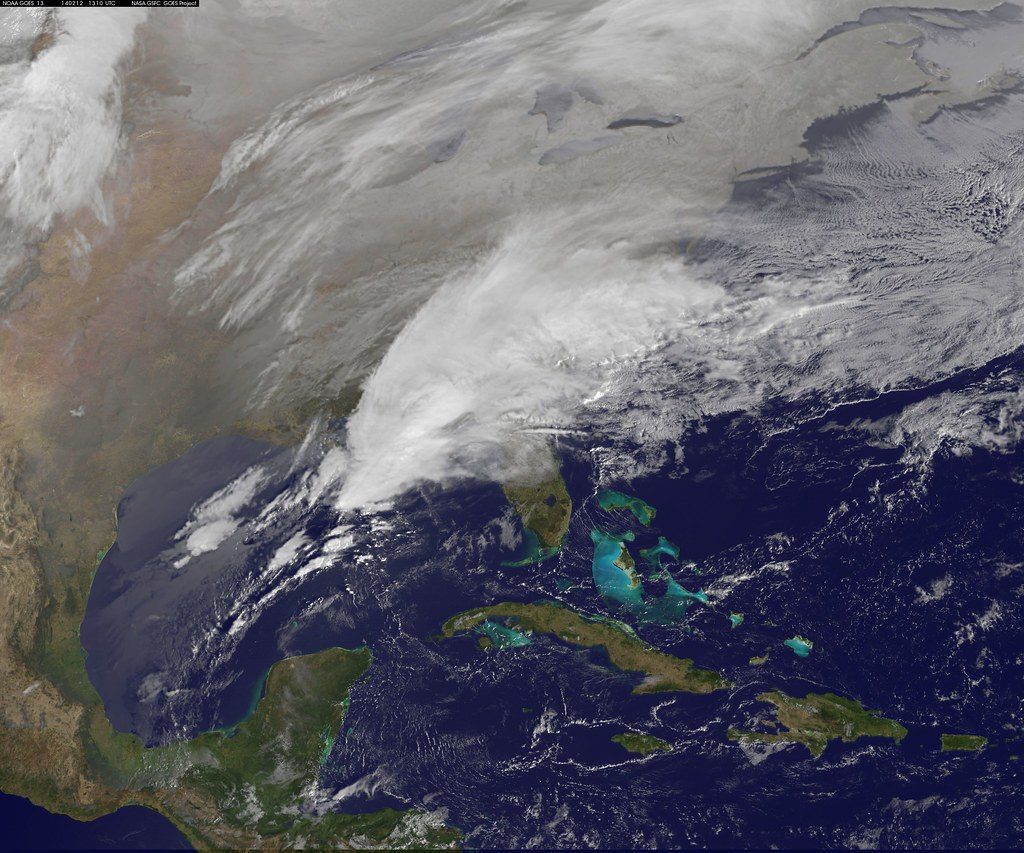
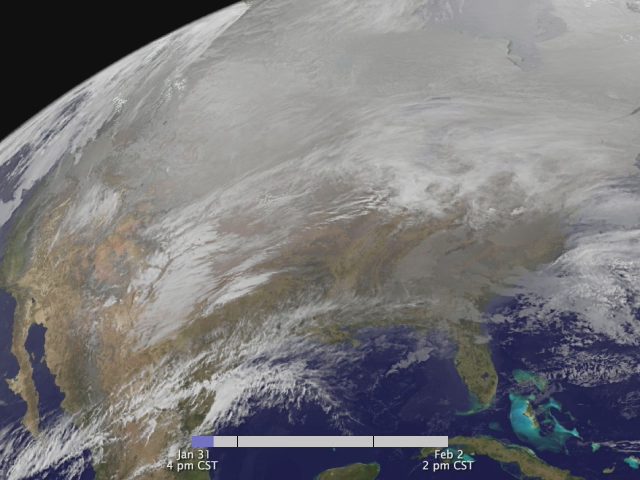
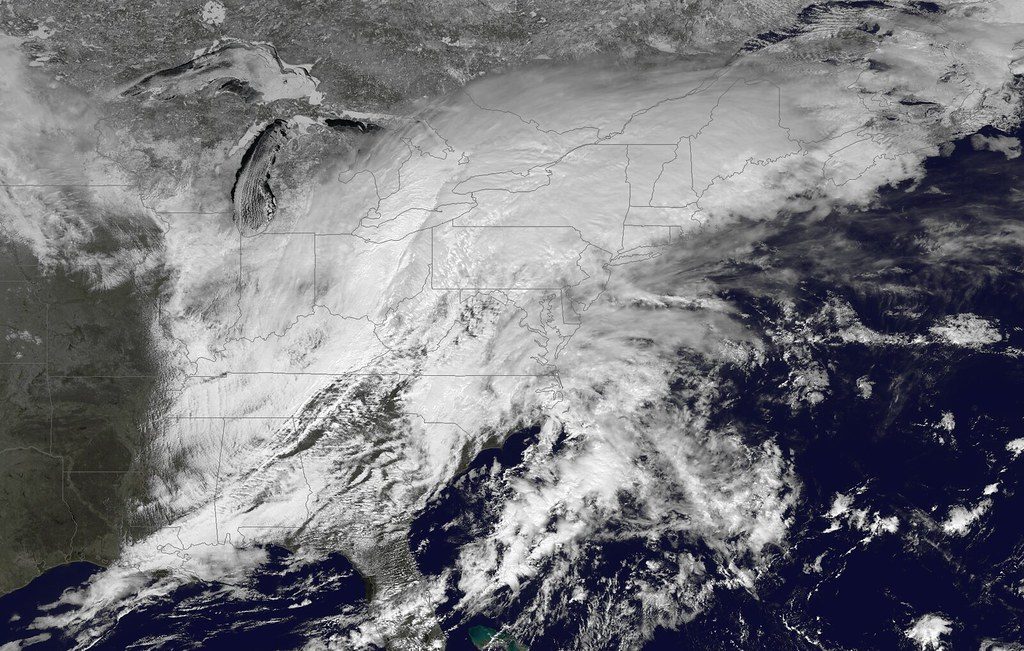
Winter Storm Fern killed over 150 people by early February 2026, following 106 deaths on January 28. The storm brought ice and heavy snow across a 2,000-mile path from Texas to Maine, prompting President Trump to declare federal emergencies in 10+ states as peak power outages exceeded 1 million, 14,000+ flights were canceled (the worst aviation disruption since COVID-19), and wind chills dropped to minus 50°F. Fatalities came from hypothermia, traffic accidents, and ice-related incidents: Tennessee reported 29 deaths, Mississippi 28, Louisiana 8, New York City 8 people frozen outdoors, with additional deaths in Kentucky and in Texas where 3 boys drowned after falling through pond ice.
Texas's ERCOT grid held stable thanks to post-2021 reforms and battery storage supplying a record 9.5% of peak power (7,000+ MW), avoiding 2021-style blackouts despite ice damage to local lines. Tennessee outages dropped to 19,500 customers by February 3, down from 186,000 on January 31, aided by 500 generators donated by Elon Musk and xAI, 226 U.S. Forestry personnel for debris clearance, and over 900 lineworkers; Mississippi restored 75-96% in hardest-hit areas but faces extended rural outages. FEMA staffing challenges persist amid legal fights over cuts, while insurance losses estimated at $4-7 billion make Fern the third-costliest U.S. winter storm on record; Tennessee Gov. Bill Lee awaits Major Disaster Declaration approval for 23 counties, with Mississippi requesting for all damaged counties.
Questions about this story
Free account needed to ask — your question is kept and asked for you right after sign-up. Answers are public.
No questions yet — be the first to ask.
Key Indicators
150+
Total U.S. Deaths
Fatalities exceed 150 across 13+ states including TN (29), MS (28); up from 106 on Jan 28
19,500
TN Customers Without Power
Tennessee statewide outages as of Feb 3, down from 186k on Jan 31; restoration ~95% complete
$4-7B
Insurance Losses
Third-costliest U.S. winter storm on record per Fitch Ratings (Feb 5)
57 events
Latest: February 4th, 2026 · 8 months ago
Showing 8 of 57
JK to step
Tap a bar to jump to that date
February 2026
TN Flash Report #14: Recovery Transition, Hotlines End Feb 6
LatestGovernment
TEMA reports State EOC at Level 3; TBI/Winter Storm hotlines end Feb 6; TDOT continues plowing; death toll at 29. Power restoration top priority as outages drop to 19,500 statewide by Feb 3.
MS Death Toll Rises to 28, 51 Counties Damaged
Casualties
Mississippi Emergency Management Agency confirms 3 more deaths (total 28); 438 homes, 30 businesses, 23 farms damaged/destroyed; Gov. Reeves requests Major Disaster Declaration for all affected counties.
TN SFMO Issues Safe Reconnection Guidance
Infrastructure
State Fire Marshal's Office provides guidance to utilities/municipalities for safe power restoration post-Fern amid ongoing recovery.
Elon Musk/xAI donates 500 generators fully distributed to hardest-hit areas; 226 US Forestry personnel aid debris clearance; outages at 19,500 statewide; TN death toll at 25.
Fitch: Fern $4-7B Losses, 3rd-Costliest U.S. Winter Storm
Economic
Insurance losses estimated $4-7 billion, behind only Dec 2022 Elliott ($8.2B); impacts P/C insurers' earnings but not capital.
TN Flash Report: 35,400 Statewide Outages
Infrastructure
TEMA reports 35,400 customers without power as of Feb 1 4:30pm; lineworkers work around clock; public urged to avoid downed lines.
Entergy MS Restores 87,000 Outages
Infrastructure
Entergy Mississippi completes major restoration (87k outages addressed); some rural areas remain out amid ongoing deep freeze.
January 2026
57,000 Nashville Customers Still Without Power, 1,700 Personnel Deployed
Infrastructure
Nashville Electric Service reports 57,641 customers without power on day seven of outages, down from 230,000 at peak. NES deploys up to 1,700 field personnel working 14-16 hour shifts. 154 of 561 broken poles repaired, each requiring 8-10 hours per crew. NES describes this as worst storm in utility's history.
51,000 Nashville Customers Without Power After One Week
Infrastructure
Nashville Electric Service reports 51,965 customers without power one week after Winter Storm Fern, down from peak of 230,000. Restoration efforts continue amid second arctic blast hitting Tennessee.
Tennessee Death Toll Reaches 21
Casualties
Tennessee Department of Health confirms 21 storm-related deaths statewide, as second arctic blast arrives with thousands still without power.
Second Arctic Blast Hits Tennessee
Weather Event
Tennessee faces second wave of frigid temperatures as 51,000 Nashville-area residents remain without power one week after initial ice storm. Prolonged cold complicates restoration efforts.
Mississippi Restoration Extended Through Sunday
Infrastructure
Entergy Mississippi reports 79,000 customers still without power as of January 31. Utility expects some homes to remain dark until Sunday evening (February 2), with other utilities potentially taking longer. Company restored 75% of affected customers by Friday morning.
186,000 Customers Remain Without Power Across Region
Infrastructure
More than 186,000 homes and businesses without electricity as of Friday, with vast majority in Mississippi (79,000) and Tennessee. Bitter cold continues slowing restoration work as utility crews work 16-hour shifts.
Nashville Residents Protest NES Response
Public Response
Nashvillians gathered outside Nashville Electric Service's main offices on Church Street Friday night in town hall-style protest, expressing mounting criticism of NES response to Winter Storm Fern as over 60,000 homes and businesses remain without power.
Death Toll Rises to 119
Casualties
Confirmed fatalities reach 119 across multiple states. Kentucky and Mississippi report 10 deaths each. Deaths include three boys in Texas who died after falling through ice on a pond, along with ongoing hypothermia, traffic accident, and weather-related casualties.
Nashville Power Outages Enter Sixth Day
Infrastructure
Over 90,000 Nashville Electric Service customers remain without power six days after storm, with some facing outages into early February. NES reports this as worst outage event since May 2020 derecho. Over 1,000 lineworkers working restoration. Nashville Mayor Freddie O'Connell calls for improved NES communication with affected customers.
FEMA Staffing Crisis Emerges During Storm Response
Government
FEMA paused workforce reductions temporarily to respond to Winter Storm Fern, but agency faces legal challenge from unions and nonprofits over termination of hundreds of CORE (Cadre of On-Call Emergency Response, Recovery Employees) contractors. Draft December planning documents showed potential cuts of up to 50% of FEMA's 23,000 employees. Coalition alleges DHS violating Post-Katrina Emergency Management Reform Act of 2006.
Nearly 20 Nashville Public Schools Remain Without Power
Infrastructure
Nearly 20 Metro Nashville Public Schools buildings remain without power six days after ice storm, though no major structural damage reported. Additional weekend arctic blast expected to complicate restoration efforts.
Entergy Mississippi Restores 96,000 Customers, 24,000 Remain Out
Infrastructure
Entergy Mississippi reports 96,240 customers restored since storm, with 24,574 still without power. Company estimates restoration by January 30 for Vicksburg and Lexington; January 31 for Cleveland, Greenville, and Indianola. Storm disrupted service for 171,200 customers across Entergy's territory with hardest-hit corridor in Sharkey, Issaquena, Holmes, Leflore, Carroll, and Grenada counties.
Tennessee Governor Requests Federal Disaster Declaration for 23 Counties
Government
Governor Bill Lee requested expedited major disaster declaration for 23 Tennessee counties following Winter Storm Fern. Request follows earlier emergency declaration, seeking additional federal assistance for recovery and debris removal. FEMA deployed 20-person teams to assist with debris removal blocking roads and hindering power restoration.
Polar Vortex Collapse Forecast Through Mid-February
Weather Event
Stratospheric warming confirmed with polar vortex stretched to maximum as of January 28. Meteorologists forecast continued Arctic blasts and frigid cold through mid-February 2026, with only slight warmups still below normal temperatures. Pattern of bitter cold and potential secondary snowstorms expected to persist into early February.
Tennessee Congressional Delegation Urges Swift Disaster Declaration Approval
Government
U.S. Senators Bill Hagerty and Marsha Blackburn, along with Tennessee congressional delegation, urge President Trump to swiftly approve Governor Lee's Major Disaster Declaration request for 23 counties. At storm peak, 365,000 Tennessee customers lost power—highest total in nation—with over 100,000 without power for more than three days.
ERCOT published official post-event analysis of Winter Storm Fern, documenting grid performance and confirming system maintained stability throughout the event despite elevated demand and severe weather conditions.
Death Toll Reaches 106
Casualties
Confirmed fatalities more than doubled from earlier counts, reaching 106 deaths as recovery efforts revealed additional casualties. Deaths include hypothermia victims, weather-related traffic accidents, and incidents from falling trees during ice storm.
Arctic Refreeze Begins (Forecast)
Weather Event
Storm winds down but dangerous cold persists. Wind chills of minus 40-50 degrees expected in Upper Midwest through end of January.
500,000+ Remain Without Power, Recovery Continues
Infrastructure
More than 500,000 customers still without electricity, concentrated in Tennessee, Mississippi, and Louisiana. Utility crews battle ongoing ice and falling trees that continue knocking power back out after restoration.
ERCOT Grid Weathers Storm Successfully
Infrastructure
Texas grid maintained stability throughout Winter Storm Fern, avoiding blackouts unlike February 2021. Outages limited to local distribution damage from ice, not generation failures. Validates post-2021 weatherization reforms.
During Monday morning peak demand, battery storage systems supplied 9.5% of power to Texas grid—over 7,000 megawatts, enough to power 1.75 million homes. Marked significant milestone in grid diversification since 2021 reforms.
Mississippi Faces Week-Long Recovery from 30-Year Worst Ice Storm
Emergency Response
Mississippi officials warn recovery could take a week or more from worst ice storm in over 30 years. Entergy Mississippi crews identified 234 broken poles and 971 downed wire spans across western half of state. Governor Tate Reeves mobilized 500 National Guard troops to clear debris.
Nashville Electric Service deployed 963 linemen to repair damage after storm snapped hundreds of power poles in Nashville area. Utility officials estimate restoration will require weekend or longer, with over 90,000 still without power five days after storm.
Light snow expected to end by noon Monday in Northeast. Brutal cold with wind chills of minus 40-50 degrees persists through month's end in Upper Midwest.
Death Toll Reaches 50
Casualties
Storm-related fatalities reach 50 as of January 26. Deaths include eight people found frozen outside in New York City, eight in Louisiana (four from hypothermia), two snowplow accidents in Massachusetts and Ohio, and teenage sledding deaths in Arkansas and Texas.
Wind Chills Hit Minus 50 Across Upper Midwest
Weather Event
Wind chill temperatures plunge to minus 50 degrees across Northern Plains and Upper Midwest. Chicago's O'Hare Airport records minus 36°F wind chill, Rockford hits minus 38°F. Northwestern Alberta sees minus 40-50°C.
U.S. Department of Energy Issues Second Emergency Order
Government
Energy Secretary issues additional emergency order securing New England grid amid Winter Storm Fern, supplementing earlier Texas-focused order. Authorizes deployment of backup generation resources.
Heavy Snow Hits Northeast (Forecast)
Weather Event
Storm reaches peak intensity in Mid-Atlantic and Northeast. I-95 corridor from DC to Boston may see 8-16 inches. Snow rates potentially reaching 1 inch per hour.
New York City Schools Close Monday
Government
NYC public schools shift to remote learning Monday due to winter storm. Light snow expected to linger into Monday morning.
ERCOT Demand Nears Peak Capacity
Infrastructure
Texas grid demand reached 83,800 megawatts Monday morning, approaching available capacity of 89,400 MW. Grid remained stable with no conservation alerts.
10,000+ Flights Canceled
Travel
Over 10,000 flights canceled on Sunday alone, marking one of the biggest weather-related cancellation days in U.S. history. All flights halted at Reagan National; most canceled at Philadelphia International.
730,000+ Customers Without Power
Infrastructure
Peak outages exceeded 730,000 customers nationwide. Texas saw 135,000+ outages, Mississippi 123,000. Ice accumulation up to one inch brought down power lines and trees across the South.
President Trump Approves Federal Emergency Declarations
Government
President Trump approved federal emergency declarations for at least 10 states: Louisiana, Arkansas, Mississippi, Tennessee, Georgia, North Carolina, South Carolina, Maryland, Kentucky, Indiana, and West Virginia. FEMA activated National Response Coordination Center.
FEMA Deploys Resources Across Storm Zone
Emergency Response
FEMA deployed teams to Louisiana, Texas, and Virginia. Positioned over 7 million meals, 2 million liters of water, and 300 generators at staging sites across South and East.
1 Million+ Customers Lose Power at Storm Peak
Infrastructure
Power outages surge above 1 million customers by mid-day January 25, primarily concentrated in South where ice storm snapped power lines and trees. Mississippi, Louisiana, Tennessee, and Texas hardest hit.
9,600 Flights Canceled on Single Day
Travel
Airlines cancel 9,600 flights on Sunday January 25, potentially worst single day of cancellations since COVID-19 pandemic. Nearly 90% of flights canceled at LaGuardia, 99% at Reagan National. Total weekend cancellations exceed 14,000 flights.
Peak Ice Accumulation Expected (Forecast)
Weather Event
Worst conditions expected across Southeast with ice accumulations up to half an inch capable of widespread power outages.
At Least 4 Deaths Confirmed
Casualties
Storm claimed at least four lives: one driver killed in single-vehicle crash in Dyersburg, Tennessee; three cold-related fatalities in New York City.
3+ Inches of Sleet in Southern Plains
Weather Event
Sadler, Texas recorded over 3 inches of sleet. Two or more inches reported across Texas, Louisiana, Oklahoma, Arkansas, Alabama, and Mississippi.
U.S. Department of Energy Issues Emergency Order
Government
Federal government issued emergency order allowing ERCOT to tap backup generators at data centers and large facilities if grid needs extra power, helping Texas avoid potential blackouts.
Toronto Issued Winter Storm Warning
Weather Event
Environment and Climate Change Canada issued orange-level winter storm warning for Greater Toronto Area, anticipating 8-16 inches of snow accumulation.
Storm Begins Impact in Southern Plains
Weather Event
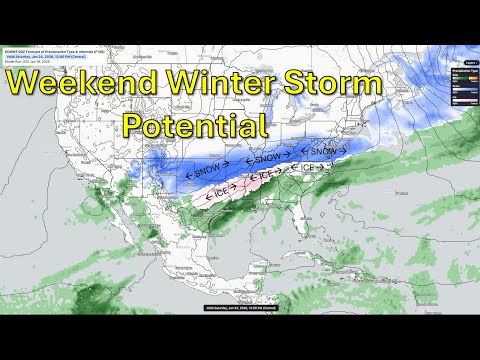
First precipitation arrives in Southern Plains as cold rain transitions to wintry mix. Ice accumulation begins in East Texas through Mississippi.
12 States Under Emergency Declarations
Government
Arkansas, Georgia, North Carolina, South Carolina, Tennessee, Virginia, Maryland, Alabama, Mississippi, and Missouri join Texas and Louisiana in declaring emergencies. Georgia mobilizes 500 National Guard troops.
235 Million Americans in Storm Path
Forecast
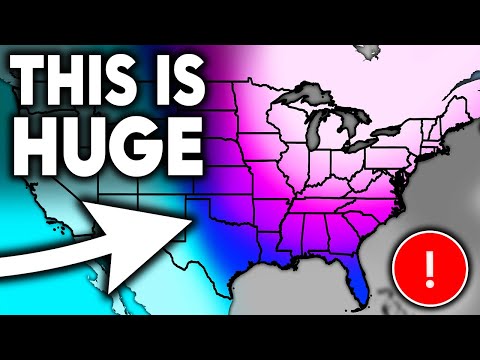
NWS issues winter weather alerts covering 132 million people with warnings stretching 2,000 miles from Arizona to Maine.
1,300+ Flights Canceled
Travel
Airlines cancel over 1,300 flights through Saturday, with thousands more expected into early next week. Major airports from Dallas to Atlanta preparing for disruptions.
Texas Disaster Declaration for 134 Counties
Government
Governor Greg Abbott declares disaster for 134 Texas counties and urges residents to complete preparations before Friday night.
ERCOT Declares Texas Grid Ready
Infrastructure
ERCOT officials state Texas power grid is prepared for the incoming storm, citing over 4,000 facility inspections since the 2021 crisis.
Louisiana First to Declare Emergency
Government
Governor Jeff Landry declares state of emergency and activates the state's Crisis Actions Team—the first governor to act on the incoming storm.
Arctic Surges Forecast Across North America
Forecast
Severe Weather Europe reports major polar vortex disruption bringing Arctic surges through January and early February.
Polar Vortex Disruption Detected
Meteorological
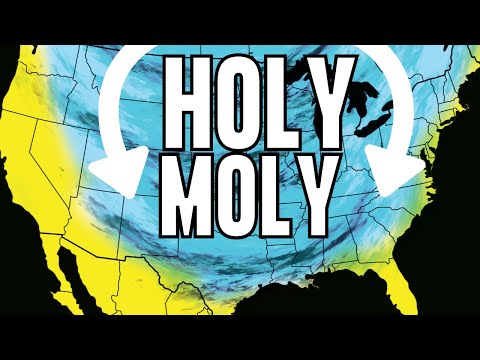
Meteorologists detect stratospheric warming event that would eventually disrupt the polar vortex and send Arctic air south into North America.
Scenarios
1
Ice Storm Causes Widespread Southeast Power Outages
Likely
Discussed by: National Weather Service, NBC News, Texas Public Policy Foundation analysts
The ice accumulation zone from East Texas through Arkansas to Mississippi receives the forecast half-inch of ice. Power lines and trees fail across the region, leaving hundreds of thousands without electricity. Temperatures remain below freezing for days, preventing rapid restoration. Rural areas in Louisiana and Mississippi face extended outages as Governor Landry warned.
ERCOT's weatherization requirements since 2021 prove effective. The grid maintains stability despite elevated demand. Outages occur only at the local distribution level from ice-damaged lines—not from generation shortfalls. Texas avoids a repeat of the 2021 catastrophe, validating the state's grid reforms.
Peak demand during the coldest period exceeds ERCOT's available capacity cushion. Grid operators issue conservation appeals asking Texans to reduce electricity use. Rolling blackouts are narrowly avoided, but the event exposes continued vulnerabilities in the system—particularly the gap between dispatchable generation and rising demand from data centers.
4
Storm Underperforms Forecasts, Limited Impact
Unlikely
Discussed by: Implicit in forecast uncertainty messaging from NWS
The storm tracks further south or weakens more than models predict. Ice accumulations stay below damaging thresholds. Snowfall totals disappoint in the Northeast. Emergency declarations prove overly cautious, drawing criticism but no significant casualties or infrastructure damage.
5
Extended Power Outages in Rural South Due to Ice Damage
Likely
Discussed by: Louisiana Governor Jeff Landry, Mississippi utility officials, local emergency management
Ice accumulation of one inch or more has snapped power lines and brought down trees across rural areas of Mississippi, Louisiana, and Arkansas. With utility crews pulled from overnight restoration work due to life-threatening conditions and temperatures remaining below freezing, hundreds of thousands could face multi-day outages. Rural areas warned by Governor Landry that restoration 'could be a while' are now experiencing the prolonged outages predicted.
6
Secondary Winter Storm Compounds Recovery Efforts
Possible
Discussed by: National Weather Service extended forecasts, meteorologists tracking polar vortex persistence
With the polar vortex disruption expected to persist through early February and wind chills of minus 40-50 degrees forecast to continue through month's end, a secondary winter storm system could strike before full recovery from Winter Storm Fern. This would delay power restoration, strain emergency resources, and extend the humanitarian crisis in areas still without electricity.
7
Prolonged Rural Outages Extend Into February
Likely
Discussed by: Nashville Electric Service officials, Duke Energy, Louisiana utility spokespeople
With 500,000+ still without power as of January 27 and trees continuing to fall from ice accumulation, utility restoration efforts in rural areas of Tennessee, Mississippi, and Louisiana could extend into early February. Nashville Electric Service warned restoration might take until end of week, while ice conditions prevent crews from working overnight. The continuing ice falls mean sections restored during day lose power again within minutes.
Discussed by: Federal unions, nonprofit disaster relief organizations, legal challenges filed in federal court
The workforce reductions at FEMA, including termination of hundreds of CORE contractors during active storm response, could significantly impair the agency's ability to respond to secondary winter storms or other disasters. With draft plans targeting cuts of up to 50% of the agency's 23,000 employees and 40% of CORE workforce, FEMA may lack sufficient personnel if another major winter event strikes in February during the ongoing polar vortex disruption. The legal challenge alleges violations of the Post-Katrina Emergency Management Reform Act, which was designed to ensure adequate disaster response capacity.
9
Nashville Power Restoration Extends Into February
Likely
Discussed by: Nashville Electric Service, Nashville Mayor Freddie O'Connell, local officials
With over 90,000 customers still without power six days after the storm and NES stating many will remain without power into next week, restoration efforts could extend into early February for some Nashville-area customers. Continued cold temperatures and the scale of infrastructure damage—NES called this the worst outage event since the May 2020 derecho—suggest the most complex repairs in heavily damaged areas may require another week or more to complete.
Historical Context
3 moments from history that rhyme with this story — and how they unfolded.
1 of 3
February 2021
Winter Storm Uri (2021)
A polar vortex disruption sent Arctic air across Texas for six consecutive days of sub-freezing temperatures. The state's power grid came within four minutes and 37 seconds of complete collapse. ERCOT implemented rolling blackouts that left 4.5 million homes without power, some for days. Natural gas production froze. Pipes burst across the state.
Then
At least 246 deaths, with some estimates as high as 702. Economic damage estimated at $195 billion—more costly than Hurricane Harvey.
Now
Texas mandated weatherization for power plants and transmission facilities. ERCOT conducted 4,000+ facility inspections. The crisis became a political flashpoint and cautionary tale for grid resilience.
Why this matters now
The current storm follows the same polar vortex mechanism. Governor Abbott explicitly compared the two events, saying this storm is 'not quite as severe' but warning against complacency. Every grid reliability statement references whether Texas learned from 2021.
2 of 3
March 1993
Storm of the Century (1993)
A massive cyclone formed over the Gulf of Mexico and tracked up the Eastern Seaboard, affecting 120 million people across 26 states and reaching from Canada to Honduras. The storm dropped 2-4 feet of snow across the Appalachians, spawned tornadoes in Florida, and produced hurricane-force winds. 10 million customers lost power.
Then
318 deaths—the deadliest winter storm in North America until Uri. Estimated $5.5 billion in damage (roughly $10 billion in 2020 dollars).
Now
Marked a milestone in weather forecasting—the first time NWS accurately predicted a system's severity five days in advance. Established the template for modern winter storm warnings.
Why this matters now
The current storm's 2,000-mile footprint and potential to affect 235 million people invites comparison to the 1993 benchmark. If forecasts verify, this could rank among the largest winter weather events in U.S. history by population affected.
3 of 3
January 1978
Great Blizzard of 1978 (Ohio Valley/Great Lakes)
A severe blizzard struck the Ohio Valley and Great Lakes region from January 25-27. Wind gusts reached 100 mph. Wind chills dropped to minus 60 degrees. Snow accumulations reached 40 inches in some areas. The storm's central pressure dropped to 950 millibars—comparable to a major hurricane.
Then
71 deaths in Ohio and Michigan combined. Highways became impassable for days. The storm trapped motorists in their vehicles across multiple states.
Now
Led to improved winter weather warning systems and interstate snow removal protocols. Remained the benchmark 'Storm of the Century' until 1993.
Why this matters now
The current storm's forecast wind chills of minus 40-50 degrees match or exceed the 1978 event. The comparison underscores the life-threatening danger of exposure during the Arctic refreeze period following the precipitation.