

Pull to refresh
Logo
Daily Brief
Following
Why
Pentagon AI contracts reshape the line between Silicon Valley and the military

Pentagon AI contracts reshape the line between Silicon Valley and the military

Rule Changes
By Newzino Staff |

How a standoff over surveillance safeguards rewrote the rules for AI in defense

Today: OpenAI and Pentagon amend contract with surveillance ban

Overview

For decades, the United States military chose its weapons contractors and the contractors complied. Artificial intelligence changed that equation. On March 3, OpenAI and the Department of Defense amended a freshly signed AI contract to explicitly ban the use of the technology for domestic surveillance of American citizens—a concession the Pentagon had refused to grant Anthropic just days earlier, triggering that company's blacklisting from all federal agencies.

Key Indicators

$200M
Contract ceiling
Maximum value of the Pentagon AI contract, originally held by Anthropic and now awarded to OpenAI
5 days
Ultimatum to amendment
Time from Anthropic's blacklisting on February 27 to OpenAI's contract amendment on March 3
1.5M
Claimed ChatGPT cancellations
Number of users the QuitGPT campaign claims took action in response to OpenAI's Pentagon deal
#1
Claude app store rank
Anthropic's Claude chatbot reached the top of the United States App Store after the company's blacklisting

Interactive

Exploring all sides of a story is often best achieved with Play.

Ever wondered what historical figures would say about today's headlines?

Sign up to generate historical perspectives on this story.

Sign Up

Debate Arena

Two rounds, two personas, one winner. You set the crossfire.

People Involved

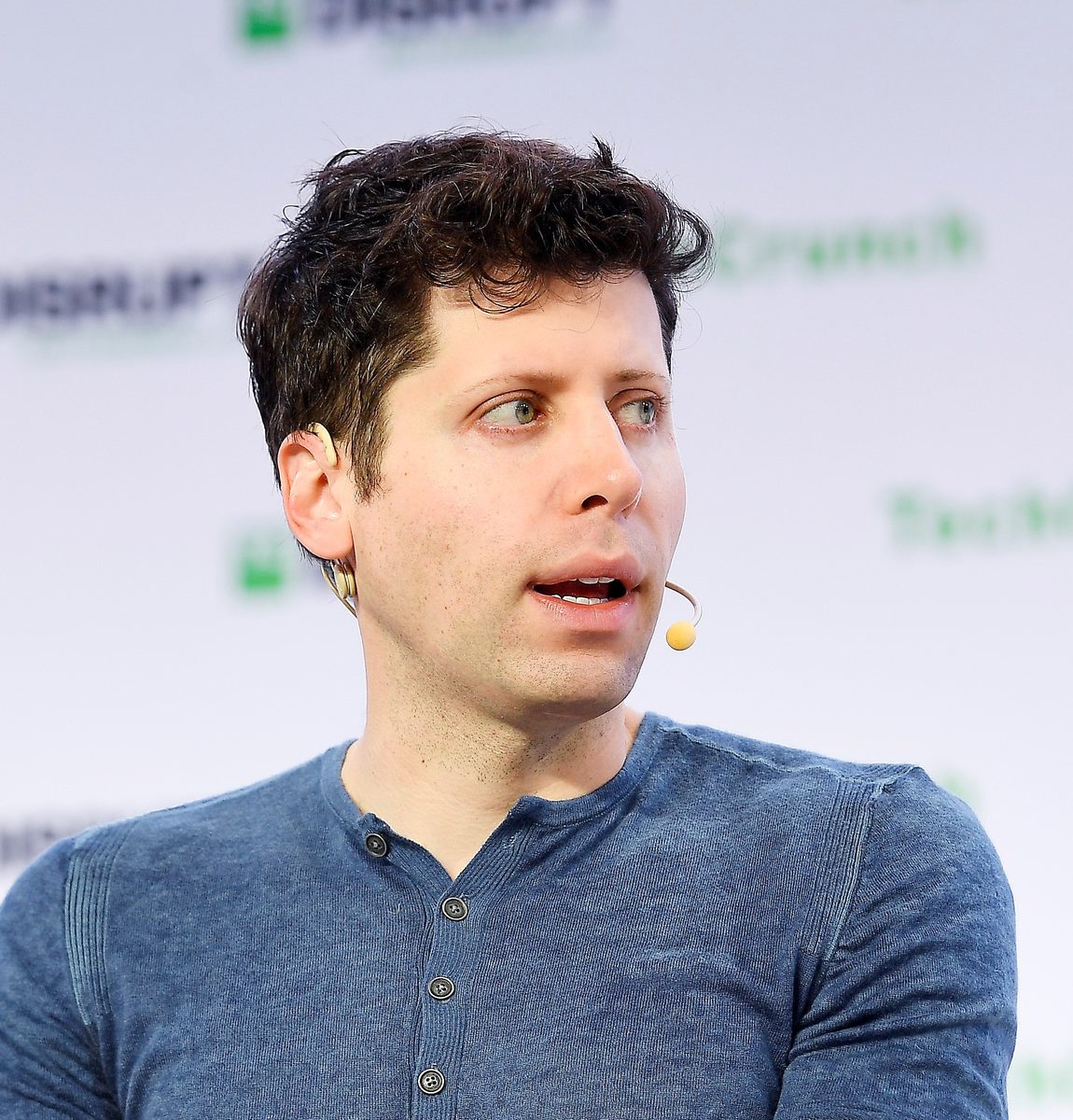
Sam Altman
Sam Altman
Chief Executive Officer, OpenAI (Managing fallout from Pentagon deal backlash)
Dario Amodei
Dario Amodei
Chief Executive Officer and Co-founder, Anthropic (Leading company through federal blacklisting; six-month phaseout period underway)
Pete Hegseth
Pete Hegseth
United States Secretary of Defense (Overseeing Pentagon AI procurement and Anthropic phaseout)
Donald Trump
Donald Trump
President of the United States (Directed federal Anthropic ban)

Organizations Involved

OpenAI
OpenAI
Artificial Intelligence Company
Status: Amended Pentagon contract holder; managing consumer backlash

The maker of ChatGPT, OpenAI is the largest commercial AI company and signed a Pentagon deal hours after Anthropic was blacklisted.

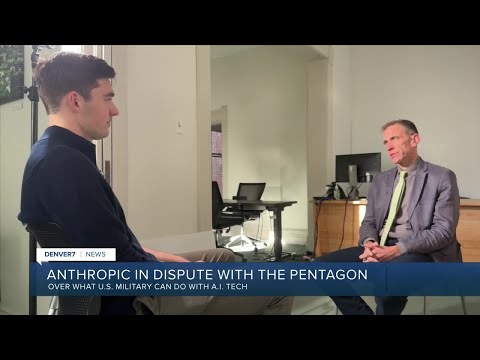
Anthropic
Anthropic
Artificial Intelligence Company
Status: Blacklisted from federal use; six-month phaseout underway; consumer growth surging

The AI safety-focused company that refused Pentagon demands for unrestricted military use and was blacklisted from all federal agencies as a result.

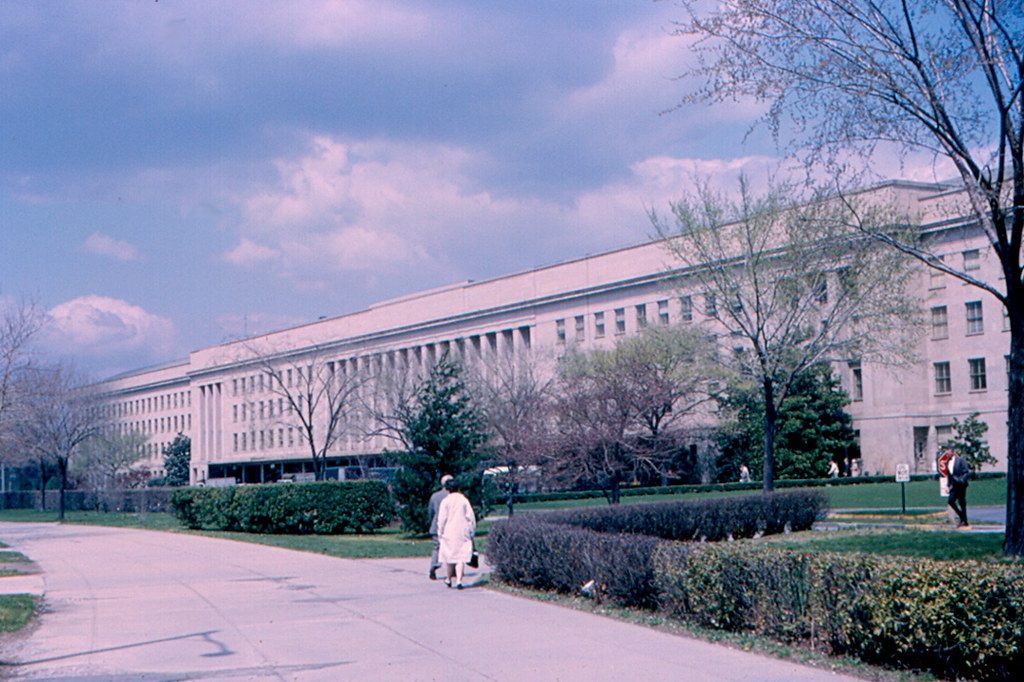
U.S. Department of Defense
Federal Agency
Status: Transitioning AI provider from Anthropic to OpenAI

The Pentagon sought unrestricted access to commercial AI and, when Anthropic refused, replaced it with OpenAI within hours.

Timeline

  1. OpenAI and Pentagon amend contract with surveillance ban

    Amendment

    OpenAI and the Department of Defense agreed to amend their contract with explicit language prohibiting domestic surveillance of American citizens and nationals. Altman acknowledged the original deal was rushed, calling it "opportunistic and sloppy."

  2. Claude hits #1 in US App Store as boycott spreads

    Market Response

    Anthropic's Claude chatbot reached the top of the United States App Store as the QuitGPT boycott campaign claimed 1.5 million participants. Anthropic reported free user growth exceeding 60 percent.

  3. Deadline passes; Trump bans Anthropic from federal use

    Executive Action

    After the 5:01 p.m. deadline expired without agreement, President Trump ordered all federal agencies to cease using Anthropic technology. Hegseth designated the company a supply chain risk. A six-month phaseout period was set for existing deployments.

  4. OpenAI announces Pentagon deal; employees sign open letter

    Contract

    Hours after Anthropic's blacklisting, OpenAI announced a deal to deploy its AI models on classified Pentagon networks. Separately, over 70 OpenAI employees and 175 Google employees signed an open letter supporting Anthropic and opposing the Pentagon's tactics.

  5. Anthropic rejects Pentagon's final offer

    Decision

    Amodei publicly refused the Pentagon's terms, stating "we cannot in good conscience accede to their request" and reaffirming that mass surveillance and autonomous weapons are lines the company will not cross.

  6. Hegseth issues Friday ultimatum to Anthropic

    Escalation

    In a tense meeting, Defense Secretary Pete Hegseth told Anthropic chief executive Dario Amodei to allow unrestricted military use of Claude by 5:01 p.m. Friday or face contract cancellation, supply chain blacklisting, and possible invocation of the Defense Production Act.

  7. Pentagon threatens Anthropic with supply chain risk label

    Escalation

    The Department of Defense began pressuring Anthropic to remove safeguards restricting military use of its Claude AI models, threatening to designate the company a supply chain risk if it refused.

  8. Anthropic signs $200M Pentagon contract

    Contract

    Anthropic signed a two-year prototype agreement with the Department of Defense worth up to $200 million, becoming the first AI company to integrate models into classified military networks. The contract included restrictions against mass surveillance and autonomous weapons.

  9. OpenAI drops military use ban

    Policy

    OpenAI quietly removed language explicitly banning "military and warfare" applications from its usage policy, replacing it with a more permissive framework prohibiting only the development of weapons.

Scenarios

1

Surveillance ban holds, becomes template for future AI defense contracts

Discussed by: Nextgov/FCW, TechPolicy Press, and defense procurement analysts

The amended OpenAI contract language becomes the baseline for all future AI military procurements. Other AI companies negotiate similar safeguard clauses, and Congress codifies surveillance restrictions into the next National Defense Authorization Act. The precedent limits the Pentagon's ability to deploy commercial AI for domestic monitoring, establishing a durable boundary between military AI and civil liberties.

2

Pentagon quietly loosens restrictions as contract matures

Discussed by: MIT Technology Review, electronic privacy organizations, and former defense officials

The amendment's language—"shall not be intentionally used for domestic surveillance"—contains enough ambiguity to allow gradual expansion of permitted uses. Over time, the Pentagon interprets "intentional" narrowly, and secondary data collection from AI-assisted military operations erodes the practical boundary. Without independent oversight mechanisms, the safeguard becomes more symbolic than enforceable.

3

Anthropic ban reversed after political or legal challenge

Discussed by: Lawfare, constitutional law scholars, and civil liberties organizations

Legal experts challenge the blacklisting of Anthropic as an overreach of executive authority, arguing the "supply chain risk" designation was retaliatory rather than substantive. Congressional pressure, court action, or a change in administration policy leads to Anthropic's reinstatement as an approved federal vendor. The reversal would establish limits on the executive branch's ability to punish companies for maintaining safety restrictions.

4

Defense Production Act invoked to compel AI company compliance

Discussed by: Lawfare, Washington Post, and defense policy analysts

The administration follows through on Hegseth's threat and invokes the Defense Production Act to compel an AI company—potentially Anthropic or a future holdout—to provide unrestricted military access to its models. The move would be the first use of the Cold War-era law against a technology company over usage restrictions rather than production capacity, triggering major legal challenges and industry alarm.

Historical Context

Google and Project Maven (2017–2018)

April 2017 – June 2018

What Happened

In 2017, the Pentagon launched Project Maven to use AI for analyzing drone surveillance footage and awarded Google a $9 million contract. When the arrangement became public in March 2018, over 3,000 Google employees signed an internal petition demanding the company cancel the contract and pledge never to build warfare technology.

Outcome

Short Term

Google announced it would not renew the Maven contract when it expired in 2019 and published AI principles excluding weapons and surveillance applications.

Long Term

The episode established tech worker activism as a real constraint on military AI contracts. However, other companies—including Palantir and eventually OpenAI—filled the gap, demonstrating that individual company refusals do not eliminate Pentagon demand.

Why It's Relevant Today

The Anthropic-Pentagon dispute mirrors Maven's core tension—employee and public pressure versus military demand for commercial AI—but at vastly larger scale and with direct government retaliation against the refusing company, a step the Trump administration took that the Obama-era Pentagon did not.

AT&T and the National Security Agency warrantless surveillance program (2005–2008)

December 2005 – July 2008

What Happened

In 2005, the New York Times revealed that the National Security Agency had been conducting warrantless wiretapping of American citizens' communications since 2001. In 2006, whistleblower Mark Klein disclosed that AT&T had installed fiber-optic splitters at its San Francisco facility to copy all internet traffic for the NSA. The Electronic Frontier Foundation sued AT&T on behalf of its customers.

Outcome

Short Term

A federal judge allowed the lawsuit to proceed despite government claims of state secrets privilege.

Long Term

In 2008, Congress passed amendments to the Foreign Intelligence Surveillance Act granting retroactive legal immunity to telecommunications companies that cooperated with the surveillance program, effectively ending the litigation and shielding the companies from accountability.

Why It's Relevant Today

The AT&T precedent illustrates what can happen when private companies cooperate with government surveillance without explicit restrictions: the legal system may ultimately protect the companies and the government rather than citizens. OpenAI's amended contract language attempts to prevent a similar dynamic by establishing contractual limits before AI-assisted surveillance can begin—a structural difference from the telecom era, where restrictions came only after the fact.

Huawei and the Entity List (2019–present)

May 2019 – present

What Happened

In May 2019, the Trump administration placed Chinese telecommunications company Huawei on the Commerce Department's Entity List, effectively banning American companies from selling it technology. The designation cited national security concerns over Huawei's relationship with the Chinese government.

Outcome

Short Term

Huawei lost access to Google's Android services and key American semiconductor suppliers, crippling its smartphone business outside China.

Long Term

The ban accelerated China's push for technological self-sufficiency and became a template for using trade restrictions as geopolitical tools against technology companies.

Why It's Relevant Today

The Anthropic blacklisting uses a similar mechanism—government designation as a security risk—but directed at a domestic company for policy disagreement rather than a foreign company for espionage concerns. It raises the question of whether supply chain risk designations will become a tool to discipline American companies that resist government demands.

Sources

(12)