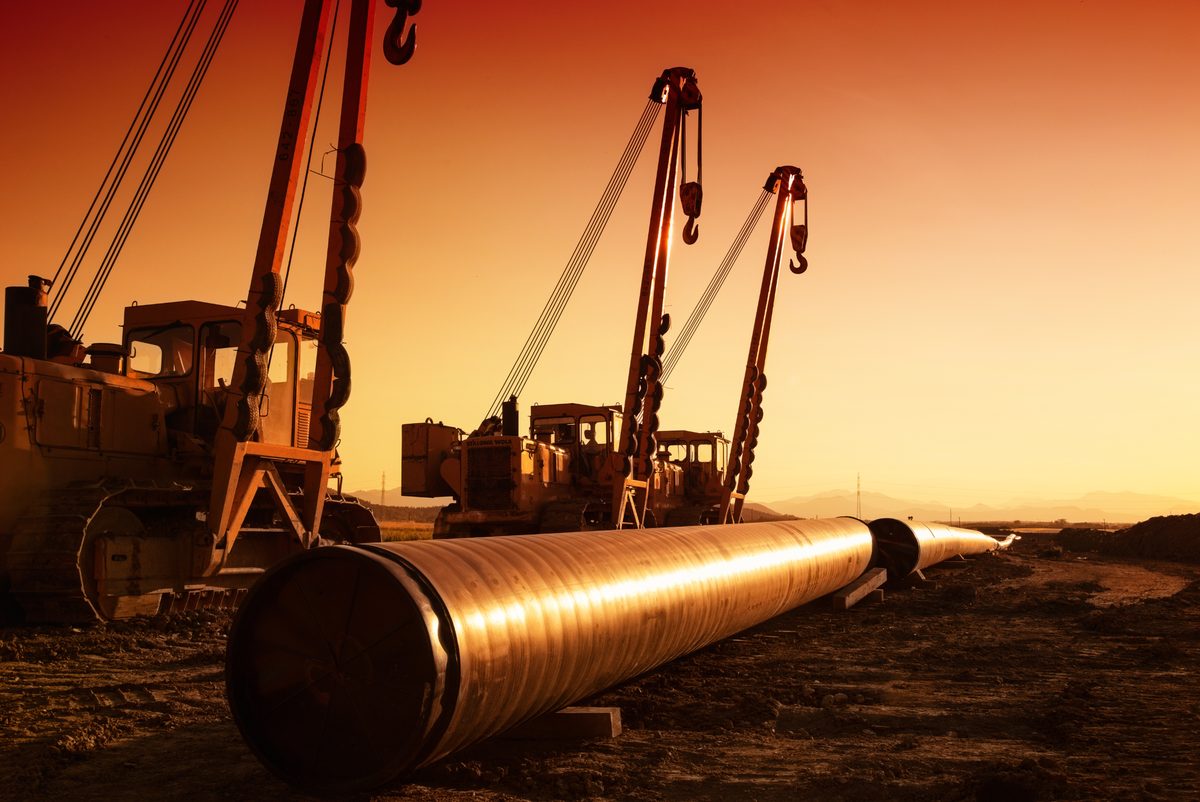
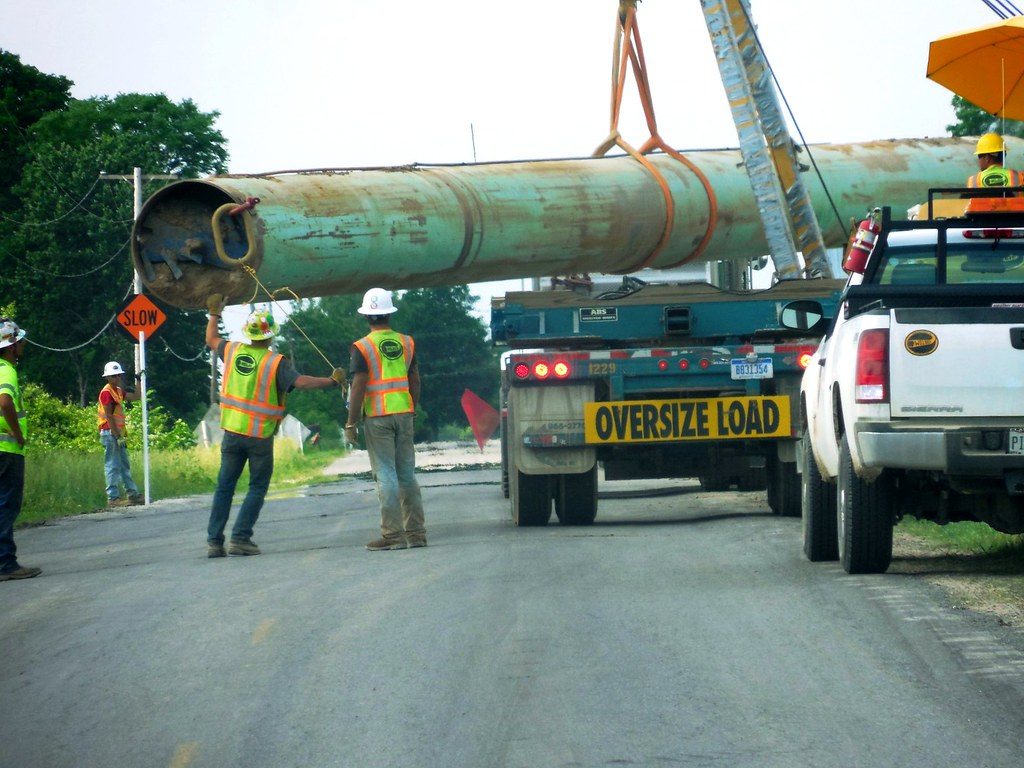
For 50 years, states have held veto power over pipelines, dams, and power plants crossing their waterways. On January 14, 2026, the EPA proposed a rule to prevent states and tribes from blocking federally permitted energy projects based on anything beyond direct water pollution.
It eliminates the broader environmental reviews that have stopped projects like the Constitution Pipeline in New York. The fight is the third swing of a regulatory pendulum since 2020: Trump's first administration narrowed state authority, Biden restored it, and now Trump's EPA is narrowing it again.
The stakes extend beyond fossil fuels. Data centers consuming gigawatts of power are waiting in permitting queues, and the administration has made their rapid deployment a national priority.
18 events
Latest: January 15th, 2026 · 6 months ago
Showing 8 of 18
JK to step
Tap a bar to jump to that date
Jump to
January 2026
Proposed Rule Published in Federal Register
LatestRegulation
EPA's Section 401 proposed rule officially published, opening 30-day public comment period through February 17, 2026.
EPA Proposes Rule Limiting State Authority
Regulation
Agency proposed reversing Biden's 2023 rule, restricting state certification reviews to direct water quality impacts only.
November 2025
Constitution Pipeline Withdraws Application
Project Cancellation
After nearly a decade of litigation, the pipeline company abandoned its permit application in New York.
September 2025
Jess Kramer Confirmed for Water Office
Personnel
After seven-month wait, Senate confirmed Kramer to lead Office of Water and oversee Section 401 rulemaking.
April 2025
EPA Issues Section 401 Clarifying Memo
Guidance
Agency signaled intent to narrow state authority by clarifying 'specific roles of states and authorized tribes.'
January 2025
Lee Zeldin Confirmed as EPA Administrator
Personnel
Former NY congressman confirmed with mandate to pursue deregulation and permitting reform.
July 2024
Bipartisan Permitting Reform Bill Introduced
Legislative
Senators Manchin and Barrasso introduced the Energy Permitting Reform Act, addressing Section 401 among other permitting issues.
June 2024
Mountain Valley Pipeline Enters Service
Project Milestone
After a decade of delays and $7.2 billion in costs, the 303-mile pipeline began commercial operation.
September 2023
Biden Section 401 Rule Published
Regulation
EPA finalized rule restoring broad state authority to evaluate 'holistic' impacts of projects on water quality.
June 2023
Mountain Valley Pipeline Gets Congressional Fast-Track
Legislative
Fiscal Responsibility Act required expedited approval for MVP and blocked judicial review of its permits.
April 2022
Supreme Court Reinstates Trump Rule Temporarily
Legal
In a 5-4 shadow docket decision, the Court stayed the district court order, allowing the 2020 rule to remain in effect.
October 2021
District Court Vacates Trump Rule
Legal
Federal court struck down the 2020 rule, finding it arbitrarily limited state authority.
July 2020
First Trump Section 401 Rule Finalized
Regulation
EPA narrowed state authority to consider only direct discharges, not broader project impacts.
April 2019
Trump Issues Executive Order on Energy Infrastructure
Executive Action
Executive Order 13868 directed agencies to streamline regulations and reduce barriers to energy development.
April 2017
New York Blocks Northern Access Pipeline
Permitting Decision
NY DEC denied certification to the $500 million, 99-mile pipeline citing threats to 192 streams and 17 acres of wetlands.
April 2016
New York Blocks Constitution Pipeline
Permitting Decision
NY DEC denied Section 401 certification for the 124-mile natural gas pipeline, citing threats to 250 streams and 85 trout streams.
May 1994
Supreme Court Affirms Broad State Authority
Legal
In PUD No. 1 of Jefferson County v. Washington, the Court ruled 7-2 that states can impose conditions on entire projects, not just individual discharges.
October 1972
Clean Water Act Enacted with Section 401
Legislative
Congress passed the Federal Water Pollution Control Act Amendments, creating Section 401 requiring state certification for federally permitted projects that may discharge into waterways.
Historical Context
3 moments from history that rhyme with this story — and how they unfolded.
1 of 3
May 1994
Supreme Court Affirms State Water Authority (1994)
Washington State required the city of Tacoma to maintain minimum stream flows as a condition for relicensing a hydroelectric dam. The dam operator argued the state could only regulate actual discharges, not water levels. In PUD No. 1 of Jefferson County v. Washington Department of Ecology, the Supreme Court ruled 7-2 that states could impose conditions on entire 'activities,' not just point-source pollution.
Then
Washington's flow requirements stood, and the dam had to release more water downstream.
Now
Established the legal foundation for states to consider broad environmental impacts when certifying federal permits—the very authority EPA now seeks to narrow.
Why this matters now
The proposed rule attempts to reverse 30 years of precedent. Legal challenges will likely cite this decision as evidence that Congress intended states to have expansive certification authority.
2 of 3
September 2008 - June 2021
Keystone XL Pipeline Cancellation (2008-2021)
TransCanada proposed a 1,179-mile pipeline to carry Canadian tar sands oil to Gulf Coast refineries. The project faced 13 years of federal reviews, state-level opposition (particularly in Nebraska), and two presidential permit denials. President Obama rejected it in 2015; Trump approved it in 2017; Biden revoked the permit on his first day in office.
Then
TransCanada abandoned the project in June 2021 after spending over $1 billion on pre-construction.
Now
Demonstrated that permitting uncertainty—not just outright denial—can kill major energy projects. The phrase 'pipeline politics' entered the lexicon.
Why this matters now
Keystone's fate illustrates the administration's core argument: that permitting delays alone can block projects regardless of final approval. However, Keystone's obstacles were primarily federal and presidential, not state Section 401 certifications.
3 of 3
February 1987
Reagan-Era Clean Water Act Amendments (1987)
Congress overrode President Reagan's veto to pass the Water Quality Act of 1987, strengthening state authority over water pollution. The override vote was 401-26 in the House and 86-14 in the Senate—one of the most lopsided veto overrides in history.
Then
Established nonpoint source pollution programs and expanded state grant funding.
Now
Cemented bipartisan consensus that states are essential partners in water quality protection—a principle now contested by the proposed rule.
Why this matters now
The massive bipartisan majority suggests that federalism in water policy was once a shared value across parties. The current rule represents a departure from that consensus, prioritizing energy development over state environmental authority.