Anchor

France starts charging fees on ultra-fast fashion from Shein and Temu
Rule ChangesNew levies on Shein, Temu, and AliExpress could reach €19.50 per garment by 2030
2 days ago: Fast fashion fees take effectNew here? Follow stories to track developments over time. Create a free account to get updates when stories you care about change.
Overview
Updated 1 hour agoFrance started charging fees on ultra-cheap clothing from Shein, Temu, and AliExpress on September 1. The levy runs from 25 euro cents on a pair of socks to 12 euros on a coat, with a government plan to push it toward 20 euros per garment by 2030.
The measure is the first of its kind in the European Union: it penalizes retailers for how many product lines they list, not for what they sell. Shein alone places more than 1.7 million references a year, far past the 16,000-product threshold that triggers the fee.
The fee is capped at half an item's pre-tax price, and companies decide whether to absorb it or pass it on at checkout. China's commerce ministry calls the law discriminatory and has warned of retaliation.
Why it matters
French shoppers on Shein and Temu could pay more at checkout — and France just gave Europe a template for taxing cheap online clothing.
Questions about this story
Free account needed to ask — your question is kept and asked for you right after sign-up. Answers are public.
No questions yet — be the first to ask.
Key Indicators
€19.50
2030 fee ceiling per garment
Government plan to push the per-item fee to nearly 20 euros by 2030.
50%
Levy cap as a share of pre-tax price
A fee can never exceed half an item's pre-tax price.
16,000
Product references that trigger the levy
Sellers listing more than 16,000 new lines per season across five categories face the fee.
$26.2B
Shein's Hong Kong debut valuation
Down from a peak near $100 billion as the EU and US ended duty-free small parcels.
30–40%
Drop in China small-parcel imports
The EU's €3 parcel levy cut imports from China by 30-40% since July 1.
Related Media

Scrabble tiles spelling 'TEMU SHEIN' on a wooden table, representing fashion brands.
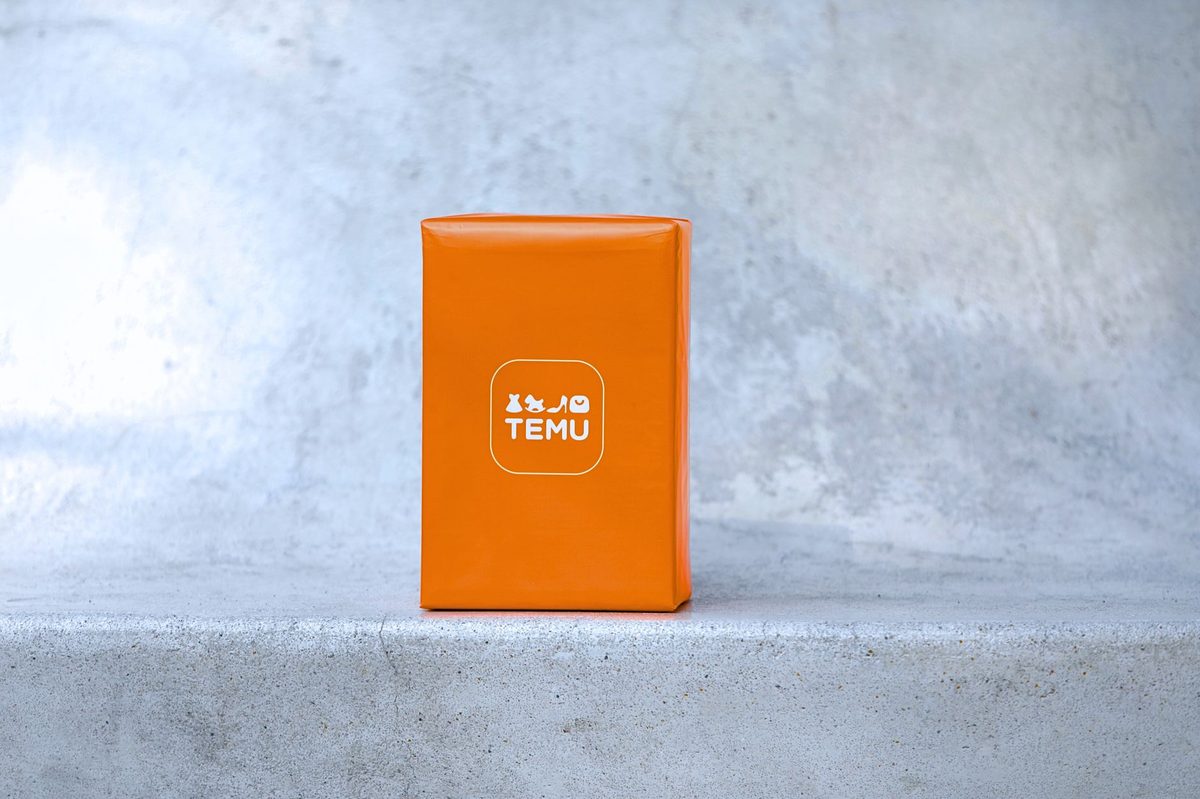
Bright orange parcel with Temu logo on a concrete surface, suitable for ecommerce themes.
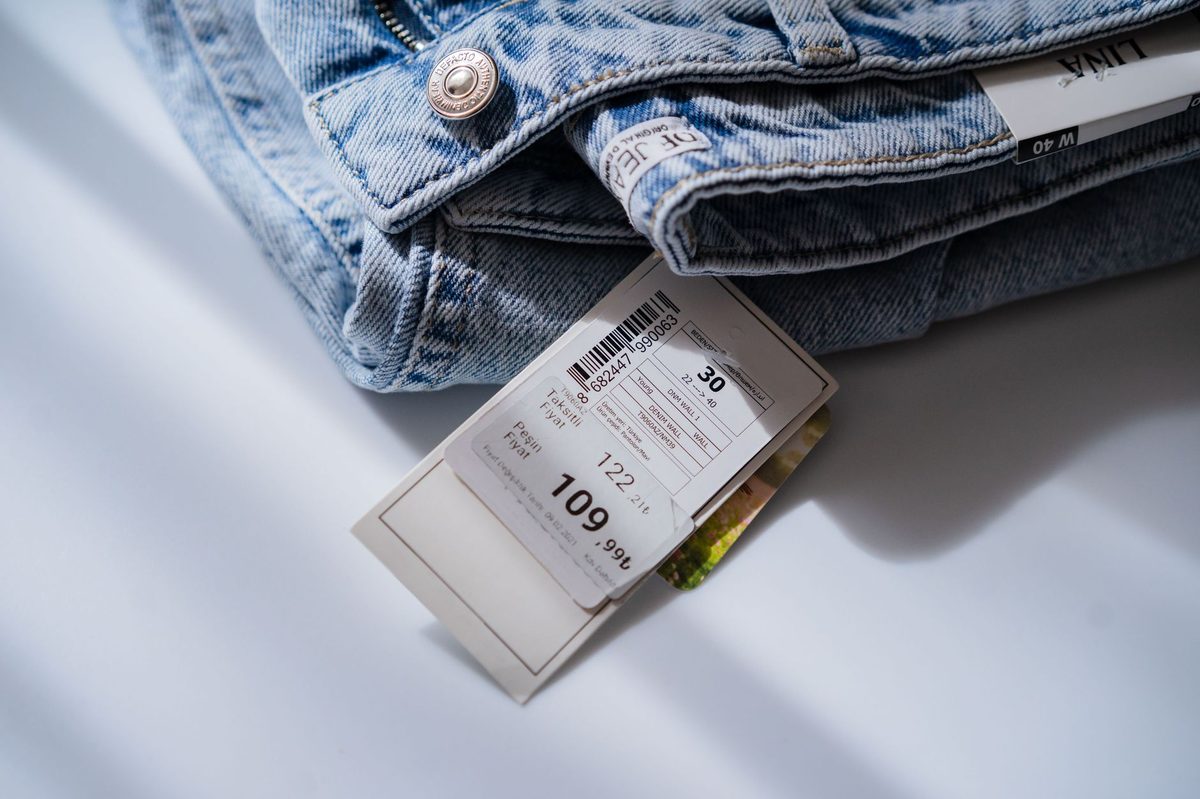
From above of blue jeans with retail price and size label placed on white table

2.6K views
3:39
Fast fashion backlash? France hits Shein and Temu with fees
Reuters

2.4K views
3:39
Fast fashion backlash? France hits <b>Shein</b> and <b>Temu ...
Reuters
Images from Openverse under Creative Commons licenses. Videos from YouTube.
Voices
Curated perspectives — historical figures and your fellow readers.
Play
Exploring all sides of a story is often best achieved with Play.
Most of these play right now — no account needed. Sign up to save scores, keep a streak, and unlock Debate and Predict.
Log in
Sign Up
Higher or Lower
A number from this story, against one from elsewhere in the news — guess which is bigger, then keep the chain going. 5 rounds, 3 strikes; a miss costs a strike and resets your streak.
Example
Anchor
EU tariff revenue
$52B
Big for this kind of number
Mystery
Pentagon AI contract
?
Round 1
Streak: 0
Mystery
?
Keyboard: ↓/L lower · ↑/H higher
0 pts
Best streak: 0 · Rounds: 0
0 points — sign up to put that on the leaderboard.
Now try on this story
Connections
Sixteen names from the news. Find the four hidden groups of four. Four mistakes max.
Loading today's puzzle…
0/4 groups
Mistakes
Sign up to keep a daily streak — a new puzzle lands every day.
Now try on this story
Exit debate?
Your progress in this debate will be lost.
How it works
- 1 Two AI personas square off on this story.
- 2 You predict who'll win each round — correct picks earn XP.
- 3 One crossfire question is yours to fire. Pick it carefully.
Couldn't generate a topic
Select Your Champions
Choose one persona for each side of the debate
DEBATE TOPIC
Choose personas with different perspectives for a more dynamic debate.
SIDE A (PRO)
Select debater for this side:
No debate personas available right now.
SIDE B (CON)
Select debater for this side:
No debate personas available right now.
VS
Get ready to make your prediction...
Round of
Claim
Evidence
Stakes
Crossfire Answer
Closing Statement
Claim
Evidence
Stakes
Crossfire Answer
Closing Statement
Your Crossfire Question
Generating arguments...
Who's Got This Round?
Make your prediction before the referee scores
The referee scores both sides on
Correct predictions earn +20 XP
· Press 1 or 2 to pick
Evidence
40%
Logic
30%
Detail
20%
Style
10%
Round Results
Your Pick
Not this time
(%)
Overall Score
/10
Your Pick
Not this time
(%)
Overall Score
/10
Set the Crossfire
Pick the question both personas must answer in the final round
Crafting crossfire questions...
Choosing a question earns +10 XP crossfire bonus
🏆
Total XP Earned
Cred Change
Predictions
Debate Oracle! You called every round!
Sharp Instincts! You know your debaters!
The Coin Flip Strategist! Perfectly balanced!
The Contrarian! Bold predictions!
Inverse Genius! Try betting the opposite next time!
XP Breakdown
Base completion
+20 XP
Rounds played ( rounds x 5 XP)
+ XP
Correct predictions ( correct x 20 XP)
+ XP
Crossfire bonus
+10 XP
Accuracy
%
Prediction History
Round
You picked:
✓
✗
Now try on this story
Keep debating to level up your credibility and unlock achievements
People Involved
Organizations Involved
SHEIN
Fast-fashion retailer
Primary target of the French levy; newly public in Hong Kong
Fast-fashion retailer founded in China, headquartered in Singapore.
Temu
E-commerce marketplace
Subject to the French levy
Chinese-owned e-commerce marketplace selling low-cost goods directly to shoppers.
China's Commerce Ministry
Government ministry
Opposing the French law
Chinese government ministry responsible for trade policy.
European Commission
EU executive body
Reviewing whether the law complies with EU rules
The executive branch of the European Union.
Timeline
June 2026 September 2026
5 events
Latest: 2 days ago
Tap a bar to jump to that date
-
Fast fashion fees take effect
Latest RegulationLevies from 25 cents to 12 euros per item begin.
-
Shein debuts at $26.2B in Hong Kong
MarketValuation falls from near $100 billion peak amid trade pressure.
-
China warns of retaliation; H&M and Zara exempt
StatementChina calls law discriminatory. France confirms H&M, Zara are exempt.
-
EU starts €3 levy on small parcels
PolicyEU fee on cheap parcels cuts China imports by 30-40%.
-
French parliament passes ultra-fast fashion law
LegislativeFrance passes the law that will tax high-volume clothing sellers.
Historical Context
3 moments from history that rhyme with this story — and how they unfolded.
April 2022
UK Plastic Packaging Tax (2022)
Britain taxed plastic packaging containing less than 30% recycled content, pricing the environmental cost of a product attribute into every unit sold.
Then
Producers paid the tax per tonne of packaging, and many redesigned packs to use more recycled material.
Now
It became a template for product-based environmental levies collected at point of sale.
Why this matters now
France's fast-fashion fee follows the same logic: price the environmental harm of a product attribute into the checkout cost.
2025
US de minimis crackdown on Temu and Shein (2025)
The US and EU both moved to end duty-free treatment of cheap Chinese parcels, a change that directly hit Temu and Shein's cross-border shipping model. The US action forced the platforms to rework how they price and ship every order.
Then
Cheap parcel imports fell sharply; both platforms faced higher costs on each order.
Now
The duty-free era ended for cross-border e-commerce, one factor that dragged Shein's valuation from near $100 billion to $26.2 billion.
Why this matters now
France's fee is a different tool — a domestic environmental levy — but it hits the same two companies and adds another cost layer to the same business model.
July 2026
EU eco-design regulation bans destroying unsold clothing (2026)
The EU began prohibiting large companies from destroying unsold clothing under its eco-design for sustainable products regulation.
Then
Fashion brands must recycle or donate unsold stock instead of burning it.
Now
The rule set a precedent for EU-level environmental rules on clothing, alongside France's national fee.
Why this matters now
Both measures target the environmental cost of fast fashion; France's levy is the price-based national counterpart to Brussels' disposal ban.
Sources
(8)Related Stories
Europe’s €3 parcel duty is the opening shot in a bigger war on ultra-cheap imports
Rule Changes
Updated May 15
Europe’s trade showdown with China: from EV tariffs to Macron’s tariff threat
Rule Changes
Updated May 10
Shein wins China's approval to list in Hong Kong
Money Moves
Updated Jul 13
EU proposes Chips Act 2.0 and cloud law to cut reliance on US tech
Rule Changes
Updated Jun 3
US ties tariffs to forced-labor enforcement across 60 economies
Rule Changes
Updated Aug 1
EU Cyber Resilience Act reshapes software security requirements
Rule Changes
Updated May 27