


Verizon FiOS launch (2005)
Verizon began the first large-scale U.S. fiber-to-the-home rollout, eventually passing roughly 18 million homes at a cost of about $23 billion. Cable operators responded with DOCSIS 3.0, squeezing higher speeds out of existing coax. Verizon paused new FiOS expansion in 2010, judging the per-home build cost too high outside dense suburbs.
FiOS won customers in the Northeast suburbs and forced cable to upgrade nationwide. Verizon's stock price suffered as analysts questioned the capital intensity.
The pause left tens of millions of U.S. homes without fiber for another decade. AT&T and smaller telcos eventually picked up the build, but the U.S. fell behind East Asia and parts of Europe in fiber penetration.
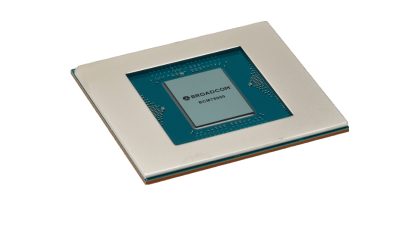
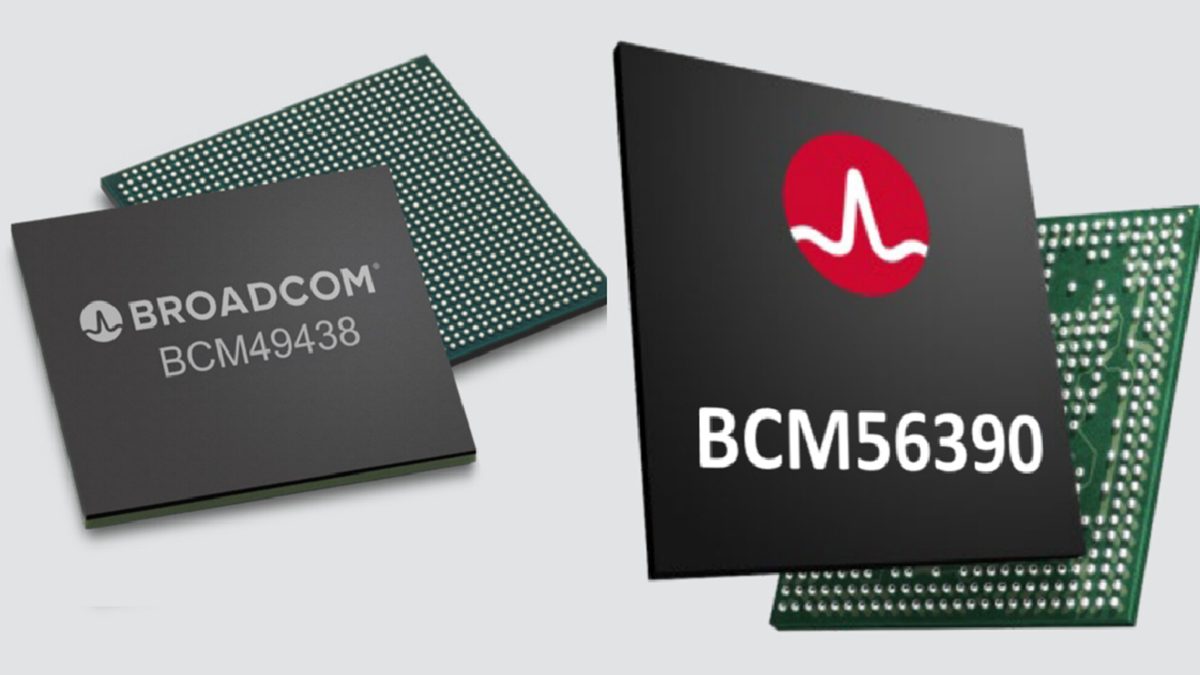
FiOS shows the central economic problem the new Broadcom chips target: fiber works technically, but only spreads when the per-home cost—including the gateway in the customer's house—falls below what carriers can recover. Cheaper gateway silicon shifts that math.