



Fiber optics replaces copper in telecommunications (1980s-2000s)
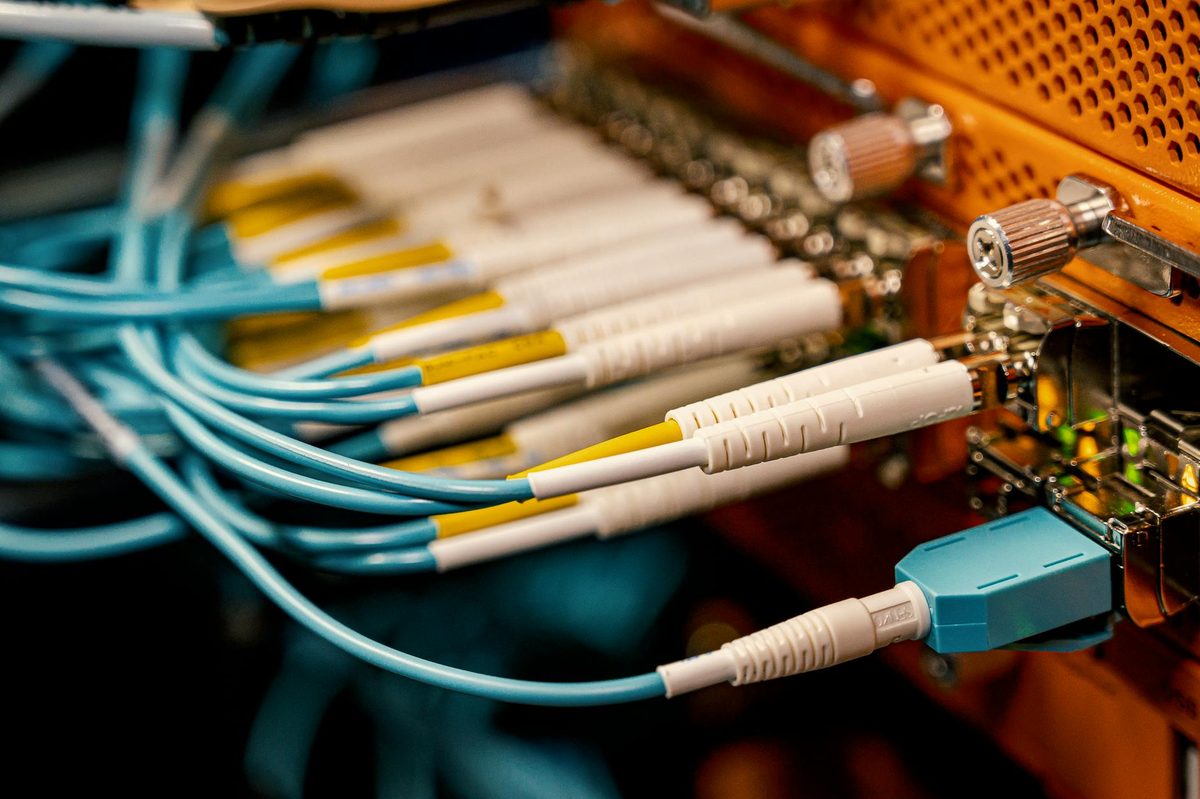
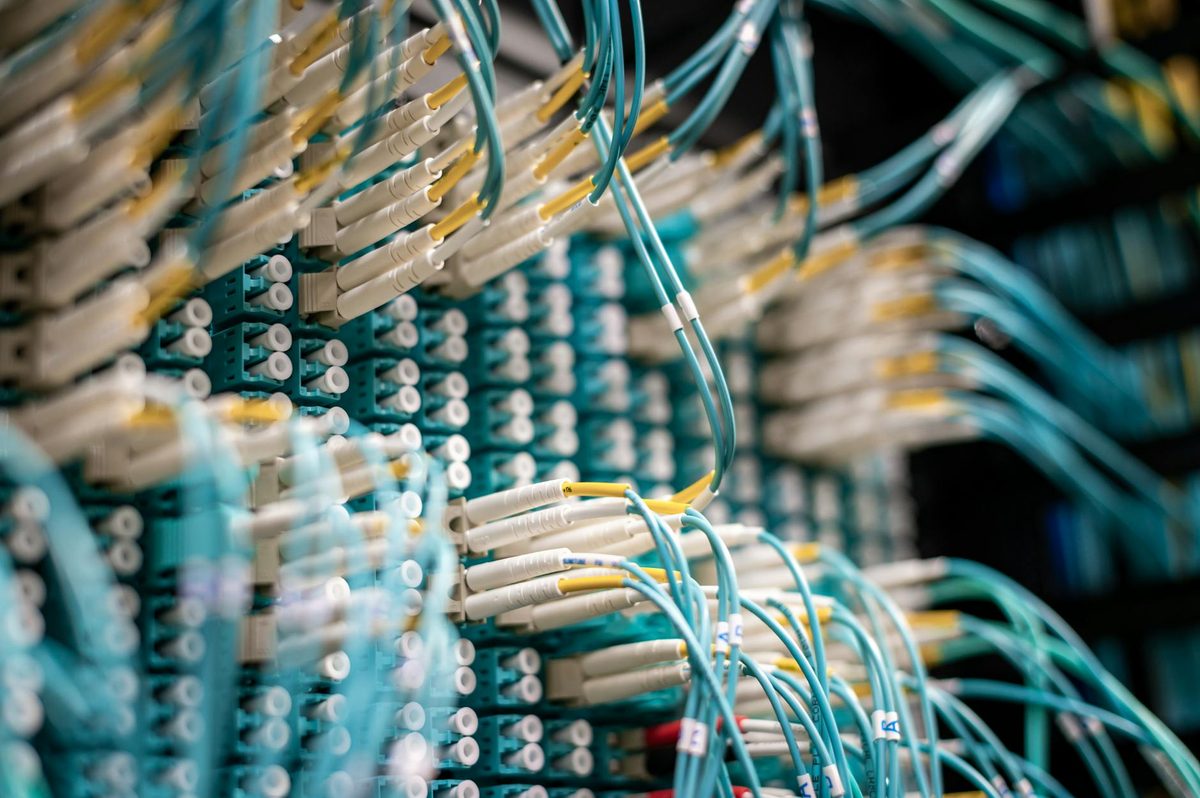
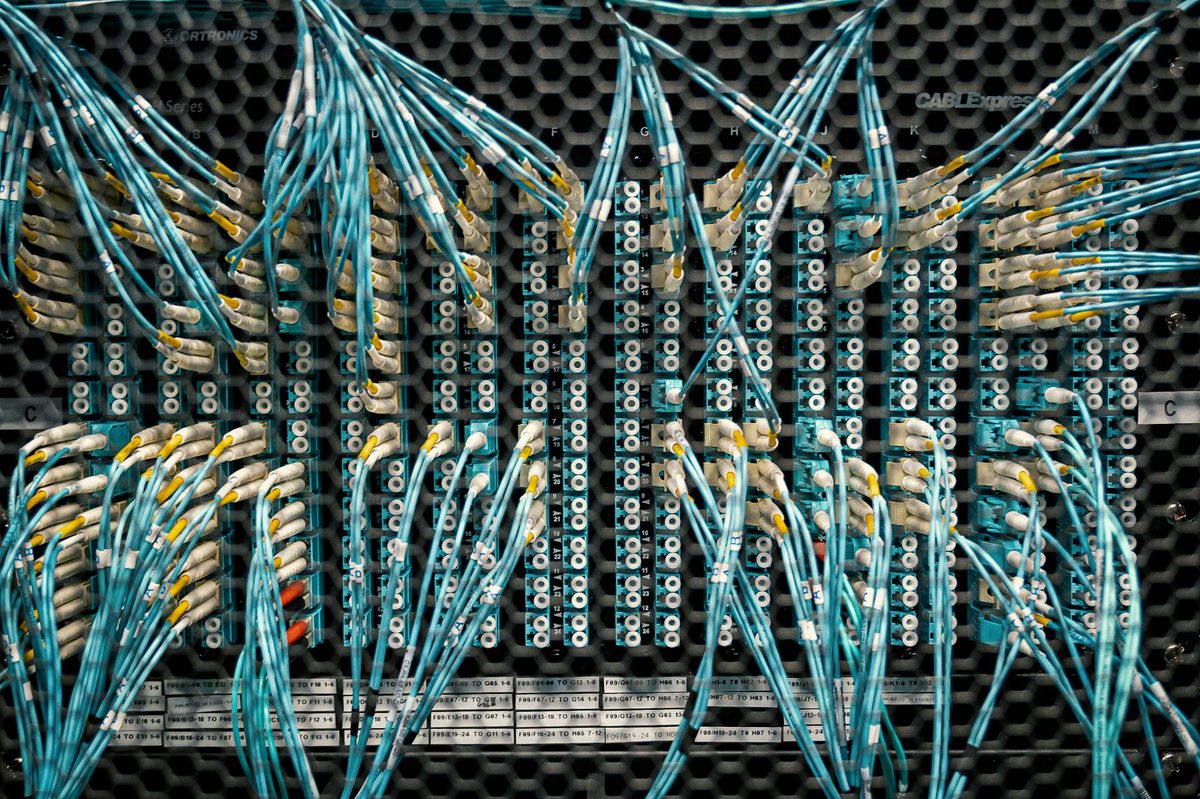
Telephone companies and internet backbone operators spent two decades replacing copper trunk lines with fiber-optic cables. Corning Glass Works (now Corning Incorporated) developed low-loss optical fiber in 1970, but it took until the late 1990s dot-com boom for massive capital investment to lay fiber across continents. Companies like Global Crossing and WorldCom spent billions on fiber networks.
The transition created enormous wealth for fiber manufacturers and installers, but also fueled overbuilding that contributed to the dot-com bust when demand didn't immediately match supply.
Fiber became the unquestioned backbone of global communications. The excess capacity laid in the 1990s eventually proved essential as internet traffic grew exponentially. Copper persists only for short last-mile connections.
The current copper-to-optical transition inside data centers mirrors the telecom shift but at chip-level distances. The same physics—light carries more data, farther, with less energy than electricity in copper—drives both transitions. The overbuilding risk also rhymes: optical startups raising billions before volume revenue materializes.