



Pull to refresh
Logo
Flathub replaces AI-generated app ban with disclosure requirement

Flathub replaces AI-generated app ban with disclosure requirement

Rule Changes

Linux app repository reverses its May 2026 policy after maintainer pushback

Today: Flathub's disclosure policy confirmed in effect

Overview

Updated 1 hour ago

Flathub's blanket ban on AI-generated app code lasted about four months. The Linux app repository now requires applicants to disclose any AI material in a submission — and reviewers can still reject it on quality grounds, even with disclosure.

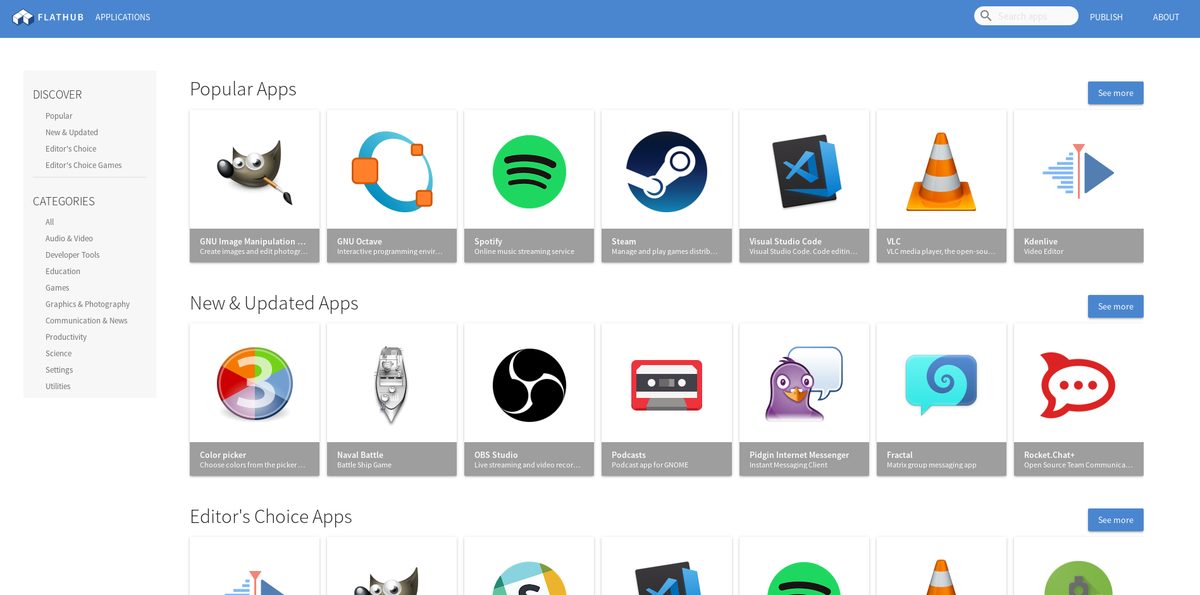
The reversal settles a conflict at the center of the desktop Linux ecosystem. Flathub is the default way most users install Flatpak applications, so its rules decide which AI-assisted tools can reach the community at all.

Why it matters

Flathub is the default app store for Linux desktops, so its policy decides which AI-assisted applications users can install.

Questions about this story

Free account needed to ask — your question is kept and asked for you right after sign-up. Answers are public.

No questions yet — be the first to ask.

Key Indicators

4 months
Duration of the outright AI ban
Introduced in May 2026, replaced September 4 with disclosure rules.
2
Policy versions since May
An outright ban gave way to a disclosure-based review model.
35
Lines changed in the policy revision
The pull request that relaxed the ban altered 35 lines of documentation.

Voices

Curated perspectives — historical figures and your fellow readers.

Ever wondered what historical figures would say about today's headlines?

Sign up to generate historical perspectives on this story.

People Involved

Organizations Involved

Timeline

May 2026 October 2026

5 events Latest: Today
Tap a bar to jump to that date
  1. Flathub's disclosure policy confirmed in effect

    Today Policy

    Reversal replaces the May ban; reviewers keep discretion to reject disclosed AI material.

  2. Reversal reported publicly

    Coverage

    Linuxiac, GamingOnLinux, and XDA report Flathub's new disclosure-based AI policy.

  3. Disclosure policy adopted

    Policy

    Flathub amended its policy to require disclosure of AI-generated material instead of an outright ban.

  4. Maintainer opens PR to relax AI policy

    Policy

    Bartłomiej Piotrowski filed the pull request that would replace the ban with disclosure rules.

  5. Flathub bans AI-generated app submissions

    Policy

    Flathub adopted a blanket ban on apps containing AI-generated code, documentation, or packaging.

Scenarios

1

Disclosure rules become Flathub's lasting AI policy

Likely Resolves by Q2 2027

Discussed by: Flathub maintainers and reviewers on the policy pull request

The disclosure requirement holds as the standing rule. Reviewers reject the occasional low-quality disclosed submission, but no flood of AI apps materializes and no renewed ban is proposed. The policy settles similarly to how Flathub handles proprietary licenses: allowed with accurate labeling.

2

Low-quality AI submissions force Flathub to tighten again

Possible Resolves by End of 2026

Discussed by: GamingOnLinux and XDA coverage of the reversal

A wave of disclosed 'vibe-coded' apps overwhelms volunteer reviewers, who lack capacity to assess each one. Citing maintainability concerns, Flathub adds restrictions beyond disclosure — possibly a quality bar for AI-heavy apps or limits on automated tooling. The OSNEWS-reported worry that the policy was unenforceable resurfaces.

3

First permanent bans issued for undisclosed AI use

Possible Resolves by Q1 2027

Discussed by: The policy text itself, which threatens permanent bans for repeated violations

Flathub enforcement escalates. A developer who submits AI-generated code without disclosure is caught, and repeated offenses trigger the permanent ban the policy authorizes. This tests whether the new rules carry real consequences or remain paper policy.

Historical Context

2 moments from history that rhyme with this story — and how they unfolded.

December 2022 – 2024

Stack Overflow bans then partners with ChatGPT (2022–2024)

In December 2022, Stack Overflow banned users from posting ChatGPT answers after a surge of confident but incorrect generated responses flooded the site. Moderators were overwhelmed deleting them.

Then

The ban held for over a year; moderators continued deleting GPT-generated answers manually.

Now

In 2024 Stack Overflow signed a deal with OpenAI, moving toward integration and moderation rather than outright prohibition.

Why this matters now

Shows the common arc for platforms facing AI content floods: a blunt ban first, then disclosure and moderation as the volume becomes unavoidable.

2025 – 2026

Linux distributions move toward accepting LLM code (2025–2026)

As more Linux distributions declared acceptance of LLM-created code so long as it meets quality standards, Flathub's May ban looked increasingly out of step with the wider ecosystem. That divergence pushed the repository to reconsider.

Then

Flathub aligned its policy with the broader acceptance trend by requiring disclosure rather than rejection.

Now

Quality and maintainability, not provenance, became the deciding factors for what ships.

Why this matters now

Frames the reversal as Flathub catching up with a trend already underway across Linux distros, documented in the coverage of this change.

Sources

(6)