

Pull to refresh
Logo
Google gives Gemini enterprise AI a live, talking face

Google gives Gemini enterprise AI a live, talking face

New Capabilities

Live Avatar pairs real-time speech with generated video, lip-syncing across 97 languages for paid business users

Today: Live Avatar available to Gemini Enterprise customers

Overview

Updated 50 minutes ago

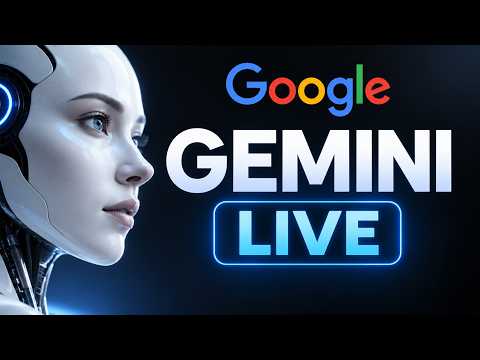
Google's enterprise AI can now show its face. Gemini 3.8 Live with Live Avatar pairs real-time speech with generated video of an animated persona that lip-syncs and shifts expressions during conversations. The feature ships in Gemini Enterprise, Google's paid business tier, across US and EU endpoints.

The launch follows Gemini 3.8 Live by about a week and adds a visual layer to voice-only AI agents. Businesses can pick from preset avatars or request custom ones generated from reference images through an allowlist. Every output carries a SynthID watermark embedded in the audio and video.

Why it matters

Talking AI agents with human-like faces are entering commercial service, changing how companies present automated customer support to millions of daily users.

Questions about this story

Free account needed to ask — your question is kept and asked for you right after sign-up. Answers are public.

No questions yet — be the first to ask.

Key Indicators

97
Languages supported with lip-synced speech
Live Avatar switches languages mid-conversation without visual drift or loss of video fidelity.
~7 days
Gap between model launch and avatar feature
Gemini 3.8 Live shipped about a week before the Live Avatar feature was announced on September 24.
Enterprise-only
Availability tier
Live Avatar is restricted to Gemini Enterprise subscribers; custom avatar creation requires allowlisting.

Voices

Curated perspectives — historical figures and your fellow readers.

Ever wondered what historical figures would say about today's headlines?

Sign up to generate historical perspectives on this story.

People Involved

Organizations Involved

Timeline

2 events Latest: Today
  1. Live Avatar available to Gemini Enterprise customers

    Today Availability

    Google introduces Live Avatar for enterprise users, bringing animated, lip-syncing personas to paid business subscriptions with provisioned throughput.

  2. Google announces Gemini 3.8 Live with Live Avatar

    Announcement

    Google unveils the feature pairing live dialogue with generated video personas, available in Gemini Enterprise.

Scenarios

1

Live avatars become a default for enterprise customer service

Likely Resolves by Q2 2027

Discussed by: Google Cloud's product team, AI Weekly, runtimewire

If early deployments like Cox Automotive's Autotrader assistant show measurable gains in engagement or issue resolution, more enterprises adopt Live Avatar for support, reception, walkthroughs, and kiosk experiences. Google's cloud team lists web, mobile, and kiosk as target surfaces, and the asynchronous tool-calling feature removes dead air during live transactions.

2

Custom avatar misuse prompts stricter Google oversight

Possible Resolves by Q1 2027

Discussed by: WION wire coverage, The Verge

Synthetic faces that lip-sync in 97 languages raise impersonation and fraud concerns. If a custom avatar is used for a scam call, fabricated video message, or identity spoof, Google could tighten the custom-avatar allowlist, add mandatory disclosure labels, or expand SynthID verification. WION noted that real-time synthetic humans are moving from research demos to off-the-shelf capability faster than detection norms keep pace.

3

Live Avatar reaches Google's consumer Gemini app

Uncertain Resolves by End of 2027

Discussed by: Industry observers, Chasing Next

If enterprise adoption validates the technology and infrastructure costs fall, Google could bring Live Avatar-style visual presence to consumer Gemini. This would widen the surface area beyond paid business subscribers and put synthetic human faces in the hands of millions of consumers, raising the stakes on disclosure and abuse prevention.

Historical Context

3 moments from history that rhyme with this story — and how they unfolded.

October 2011

Siri launches on iPhone 4S (2011)

Apple shipped Siri on the iPhone 4S, putting a voice assistant in hundreds of millions of pockets. The assistant set reminders, answered questions, and sent texts using natural language, with no visual presence.

Then

Voice became the first mainstream AI interface, and competitors including Google Now, Cortana, and Alexa followed within years.

Now

Siri established the pattern of talking to machines that persists today, though the 2011 version lacked real-time conversation and visual feedback.

Why this matters now

Live Avatar extends the same interface leap Siri made mainstream, adding a visible, expressive face to what was previously a voice-only interaction.

2017-2019

Deepfakes move to public apps (2017-2019)

Face-swap AI moved from academic papers to consumer apps, letting anyone generate realistic video of people saying things they never said. Tools like DeepFaceLab and FaceSwap spread through online communities.

Then

Platforms worked to detect and remove synthetic media; researchers built forensic tools to flag manipulated video.

Now

Synthetic video became a recognized dual-use technology, with legitimate applications in entertainment and accessibility coexisting with fraud and misinformation.

Why this matters now

Live Avatar is a commercial, real-time deployment of synthetic video at larger scale and higher polish than earlier tools, inheriting both the utility and the deception risk.

May 2018

Google Duplex demonstration (2018)

Google showed Duplex at its I/O conference, an AI that called restaurants to make reservations. The system said 'um' and paused naturally, leading callers to believe they were speaking to a person.

Then

Duplex drew criticism over deception concerns. Google committed to having the AI disclose its identity during calls.

Now

The disclosure debate set an early precedent that AI-generated human-like interactions require labeling.

Why this matters now

Live Avatar revives the disclosure question with video, making the synthetic-human interface harder to read as AI and putting the burden on watermarking and transparency.

Sources

(10)