

1952
WHO's global influenza surveillance network (1952)
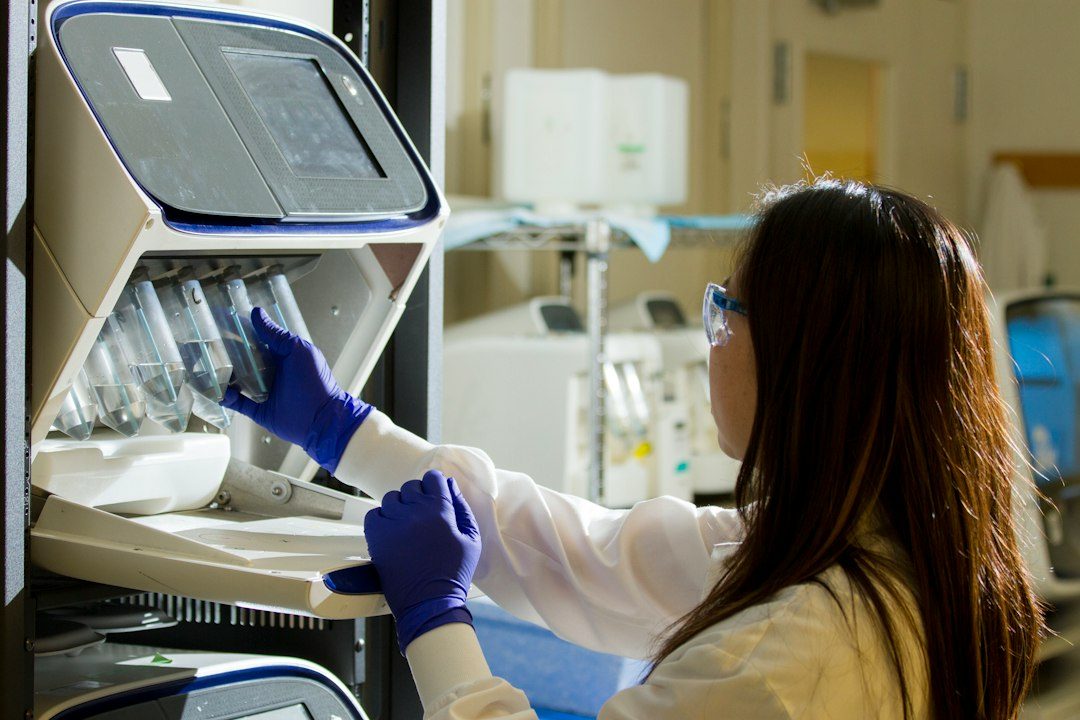
The World Health Organization built a network of national influenza centres, renamed the Global Influenza Surveillance and Response System in 2011, that collect and analyze samples rather than testing whole populations. Since 1998 their data have fed twice-yearly meetings where experts pick the strains for the next vaccine.
Then
Annual vaccine updates became possible without testing every case in every country.
Now
Sentinel sampling became the standard model for tracking a fast-moving respiratory virus.
Why this matters now
The Massachusetts study makes the same argument for SARS-CoV-2: a small set of well-chosen sites and age groups can flag a strain before it is everywhere.