
New here? Follow stories to track developments over time. Create a free account to get updates when stories you care about change.
Overview
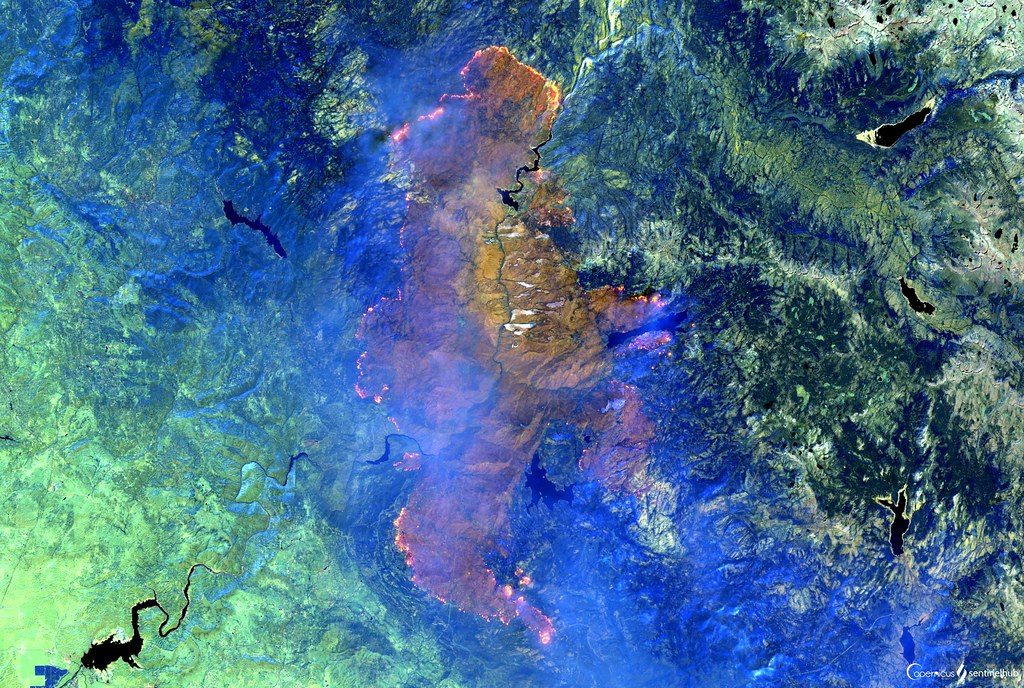
In 2020 the world watched Australia, California, and Siberia burn on repeat. Yet the total carbon released by fire worldwide stayed near the lowest level in the satellite record.
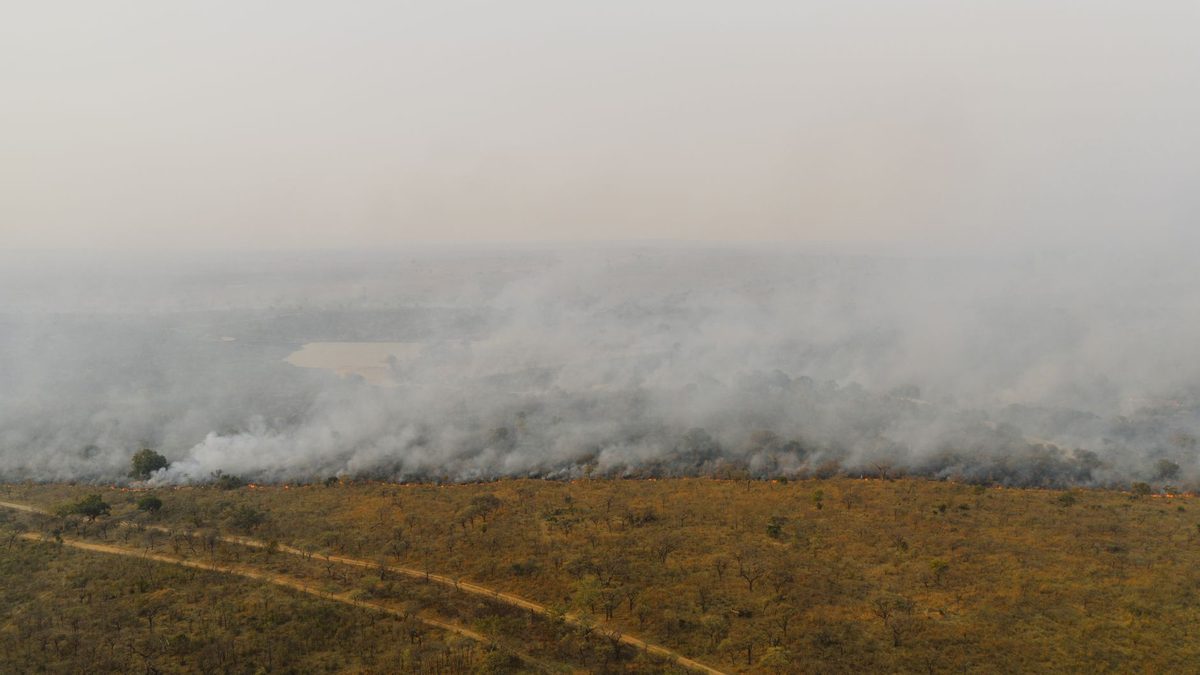
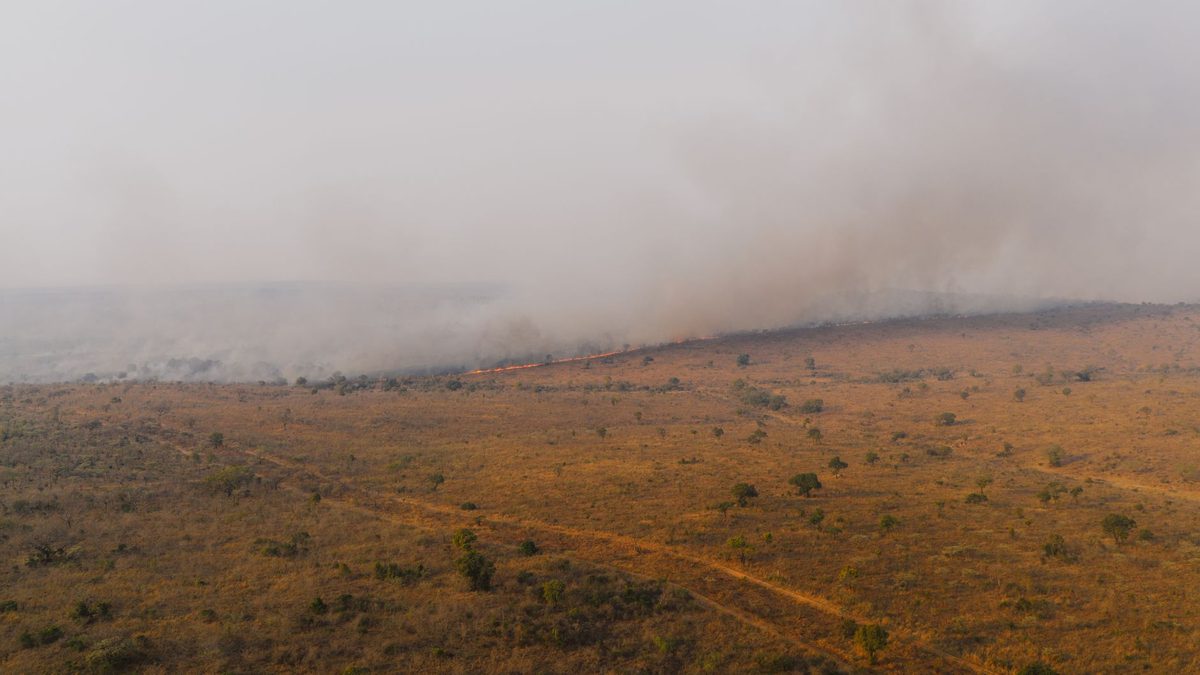
The reason sits far from the headlines. Across Africa's savannas, farmers are swapping seasonal burning for plows and machines, shrinking global burned land even as forest megafires grow louder.
Why it matters
Most people think fire is spreading everywhere. Globally, burned land is shrinking as farming replaces seasonal burning across Africa's grasslands.
Questions about this story
No questions yet — be the first to ask.
Key Indicators
Voices
Curated perspectives — historical figures and your fellow readers.
Play
Exploring all sides of a story is often best achieved with Play.
Higher or Lower
A number from this story, against one from elsewhere in the news — guess which is bigger, then keep the chain going. 5 rounds, 3 strikes; a miss costs a strike and resets your streak.
Keyboard: ↓/L lower · ↑/H higher
0 points — sign up to put that on the leaderboard.
Connections
Sixteen names from the news. Find the four hidden groups of four. Four mistakes max.
Sign up to keep a daily streak — a new puzzle lands every day.
Exit debate?
Your progress in this debate will be lost.
- 1 Two AI personas square off on this story.
- 2 You predict who'll win each round — correct picks earn XP.
- 3 One crossfire question is yours to fire. Pick it carefully.
Couldn't generate a topic
Select Your Champions
Choose one persona for each side of the debate
DEBATE TOPIC
Choose personas with different perspectives for a more dynamic debate.
Select debater for this side:
No debate personas available right now.
Select debater for this side:
No debate personas available right now.
Who's Got This Round?
Make your prediction before the referee scores
The referee scores both sides on
Round Results
Set the Crossfire
Pick the question both personas must answer in the final round
Debate Oracle! You called every round!
Sharp Instincts! You know your debaters!
The Coin Flip Strategist! Perfectly balanced!
The Contrarian! Bold predictions!
Inverse Genius! Try betting the opposite next time!
XP Breakdown
Prediction History
People Involved
Organizations Involved
CAMS estimates daily wildfire emissions worldwide from satellite readings of fire heat.
NASA's satellites built the long-term global record of where and how much the planet burns.
Timeline
June 2017 December 2020
-
Global biomass-burning emissions land near a record low
Latest DataDespite regional megafires, CAMS finds worldwide fire carbon emissions among the lowest since 2003.
-
Record fires strike California and the Arctic
WildfireThe US West and Siberia burn at record intensity; Arctic fires release 244 megatonnes of CO₂.
-
Australia's Black Summer fires begin
WildfireRecord bushfires burn tens of millions of acres across eastern Australia into early 2020.
-
NASA: global burned area down 25% since 2003
DataSatellite data confirm a long decline, led by African savanna conversion to cropland.
-
Study finds a human-driven decline in global fire
ResearchA Science paper documents global burned area falling about 24% as savannas become farmland.
Historical Context
3 moments from history that rhyme with this story — and how they unfolded.
Amazon fire alarm (2019)
Fires in the Brazilian Amazon drew global outrage, with headlines calling the rainforest the planet's lungs. World leaders and celebrities warned of a burning Earth. Yet that year's global fire emissions were not unusual by satellite records.
Brazil faced diplomatic pressure and pledged deployments to fight the fires.
The episode showed how vivid regional images can outrun the global data on where and how much the planet burns.
Like 2020, striking regional fires shaped public opinion while the worldwide total told a calmer story.
Human-driven decline in global burned area (2017)
Niels Andela and colleagues published a study in Science measuring a roughly 24% drop in global burned area from 1998 to 2015. They tied it to people converting savannas and grasslands into farmland across Africa, South America, and Asia.
The finding challenged the assumption that fire was simply rising everywhere.
It set the scientific baseline that explains why 2020's global number stayed low.
This study is the mechanism behind the headline: land-use change, not weather, drives the global trend.
NASA detects global greening (2016)
Satellite analysis found the planet had grown measurably greener over three decades, with added leaf cover across large regions. Rising carbon dioxide and land management were named as drivers. The result surprised many who expected only decline.
The finding circulated as a rare piece of counterintuitive environmental data.
It reinforced how satellite records can reveal planetary trends that clash with catastrophe narratives.
Both stories show orbital data overturning a popular assumption, and both trace back to how humans use land.
