
Pull to refresh
Logo
GM confirms Lansing plant will build hybrid SUVs

GM confirms Lansing plant will build hybrid SUVs

Money Moves

A restructured $500 million federal grant will help retool the factory that builds the Chevrolet Traverse, Buick Enclave and GMC Acadia.

Overview

Updated 56 minutes ago

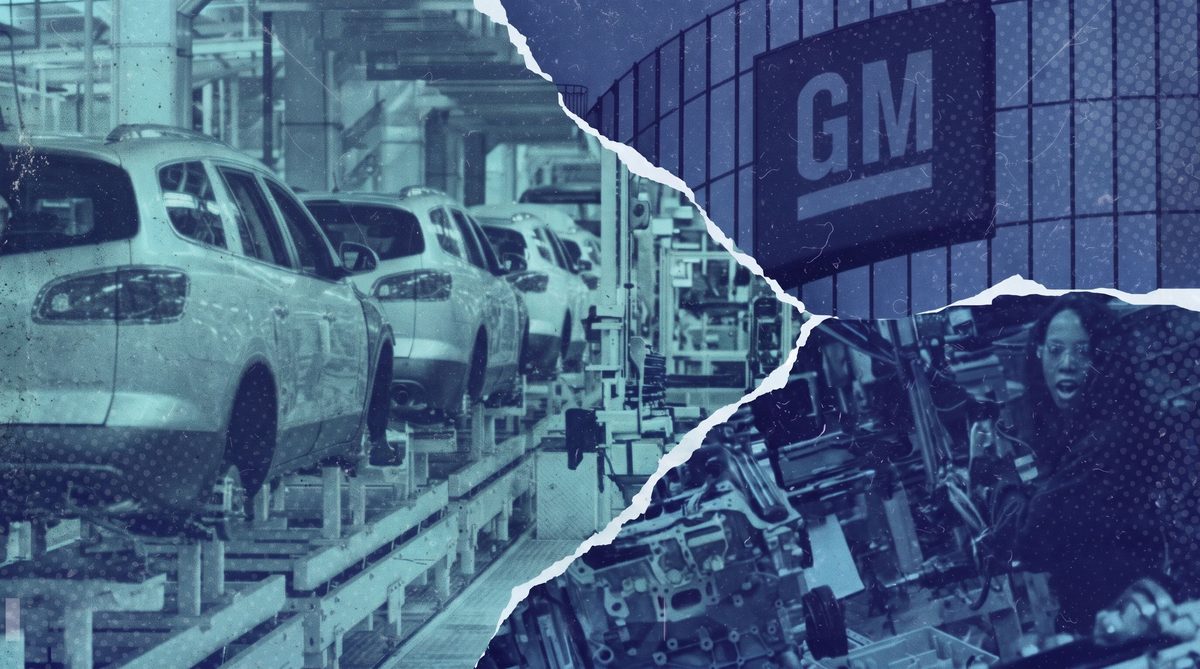
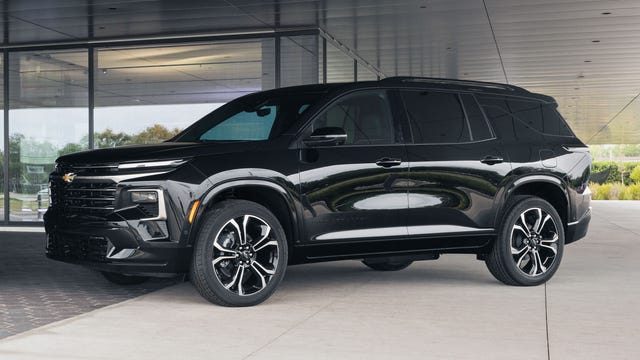
General Motors confirmed on Oct. 27, 2026, that its Lansing Delta Township plant in Michigan will produce hybrid vehicles. The factory currently builds the gasoline-powered Chevrolet Traverse, Buick Enclave and GMC Acadia.

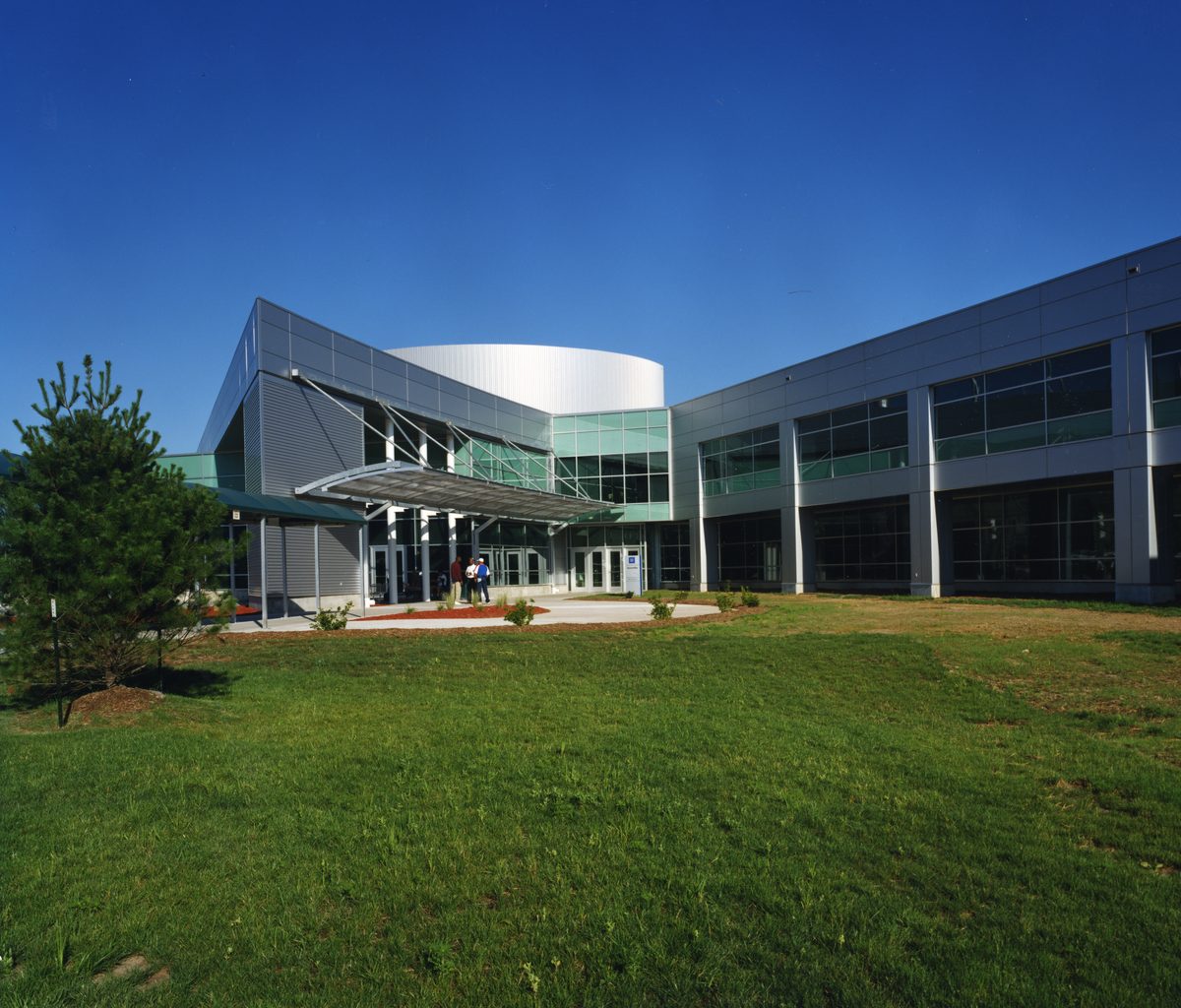
The company is redirecting a $500 million federal grant, first awarded for electric-vehicle work, toward hybrid production. GM plans to invest more than $2 billion in the Lansing region over the next several years.

Why it matters

GM's decision shows how quickly U.S. factory capacity and federal money are moving from EVs to hybrids as buyer demand shifts.

Questions about this story

Free account needed to ask — your question is kept and asked for you right after sign-up. Answers are public.

No questions yet — be the first to ask.

Key Indicators

$500M
Restructured federal grant
Department of Energy conversion grant originally awarded in 2024 for EV work.
$2B+
Planned Lansing region investment
Includes $1.25 billion previously announced for the Lansing Grand River plant.
291,000
Vehicles built at Lansing Delta Township in 2025
The plant's highest annual output in its history.
16.6%
GM U.S. market share, first nine months of 2026
Down from 17.4% a year earlier, as hybrid-heavy rivals gained.

Voices

Curated perspectives — historical figures and your fellow readers.

Sign up to generate historical perspectives on this story.

People Involved

Organizations Involved

Timeline

July 2024 October 2026

6 events Latest: 2 days ago
Tap a bar to jump to that date
  1. Grant details reach trade press

    Latest Report

    Manufacturing Dive reported the confirmation and the Energy Department's role in redirecting the grant.

  2. GM confirms Lansing hybrid production

    Announcement

    GM said Lansing Delta Township will build hybrids and that the $500 million grant will be restructured to support the work.

  3. Hybrid Corvette ZR1X deliveries begin

    Product

    GM began delivering the hybrid Corvette, one of its few hybrid models in the U.S.

  4. GM drops Grand River EV plan

    Business

    GM said it would invest $1.25 billion to build the next-generation gasoline Cadillac CT5 there instead.

  5. Federal EV tax credit ends

    Policy

    The $7,500 credit expired, weakening the price advantage for battery-electric vehicles.

  6. Energy Department awards GM $500 million

    Policy

    The grant was meant to prepare GM's Lansing Grand River plant for electric-vehicle production.

Scenarios

1

Hybrid Traverse, Enclave and Acadia reach production

Likely Resolves by End of 2028

Discussed by: Reuters, TechCrunch and trade press reporting on GM's plans

GM puts at least one hybrid version of its three-row SUVs into production at Lansing. The plant already builds the gasoline models, so the change is a powertrain addition rather than a new factory. GM has not given a launch date.

2

GM extends hybrids into compact cars or minivans

Possible Resolves by End of 2029

Discussed by: Mary Barra's October 2026 earnings-call remarks

Barra said much hybrid demand sits in compact cars, midsize cars and minivans, segments GM does not compete in now. This scenario requires GM to add a hybrid model in one of those segments for the U.S. market, going beyond the three-row SUVs.

3

GM cancels or indefinitely delays the Lansing hybrid line

Unlikely Resolves by End of 2028

Discussed by: No public prediction; included as the competing downside case

The grant is restructured and the plant is prepared, but GM decides the business case does not work and cancels the hybrid models or pushes them past the deadline. This would repeat GM's earlier retreat from the Lansing Grand River EV plan.

Historical Context

3 moments from history that rhyme with this story — and how they unfolded.

1997

Toyota Prius launch (1997)

Toyota launched the first mass-produced hybrid car in Japan in 1997 and brought it to the United States in 2000. Toyota kept improving and scaling the technology while U.S. automakers focused on trucks and, later, battery-electric vehicles.

Then

The Prius became a niche hit and a public symbol of fuel efficiency.

Now

Toyota built decades of cost and supply-chain advantage. By 2026 it was the U.S. hybrid sales leader.

Why this matters now

GM is entering hybrid SUVs years after Toyota, Honda and Ford reached scale, so its challenge is cost and execution, not concept.

2004

Ford Escape Hybrid (2004)

Ford introduced the Escape Hybrid, the first hybrid SUV from a U.S. automaker. It combined a gasoline engine with an electric motor and battery in a vehicle buyers already wanted.

Then

The Escape Hybrid gave Ford an early hybrid credential in the compact SUV segment.

Now

Ford kept hybrid versions in its lineup and sold about 228,000 hybrids in 2025, gaining U.S. market share.

Why this matters now

It shows that a domestic automaker can build a hybrid business by putting the technology into high-volume SUVs rather than standalone eco-cars.

1996-1999

General Motors EV1 (1996)

GM leased its EV1 electric car in California in the late 1990s, then ended the program and reclaimed the vehicles. The episode became a symbol of the company's reluctance to sustain an early electrification bet.

Then

The EV1 was removed from the road, and GM redirected engineering toward gasoline trucks and SUVs.

Now

GM later returned to electrification with the Chevrolet Volt and Bolt, but it arrived late to both hybrids and mass-market EVs.

Why this matters now

GM's current hybrid pivot is another test of whether an early factory commitment becomes a durable product line or another retreat.

Sources

(7)