



Pull to refresh
Logo
Caterpillar and Ultium Cells each commit $1B to expand US plants

Caterpillar and Ultium Cells each commit $1B to expand US plants

Money Moves

Compact machines and a next-generation EV battery chemistry get new onshore capacity

2 days ago: Manufacturing Dive reports both investments

Overview

Updated 1 hour ago

In late September 2026, two companies announced $1 billion plant investments within days of each other. Caterpillar will build a new compact equipment factory in Sanford, North Carolina. Ultium Cells, the battery venture shared by General Motors and LG Energy Solution, will retool its plant in Spring Hill, Tennessee.

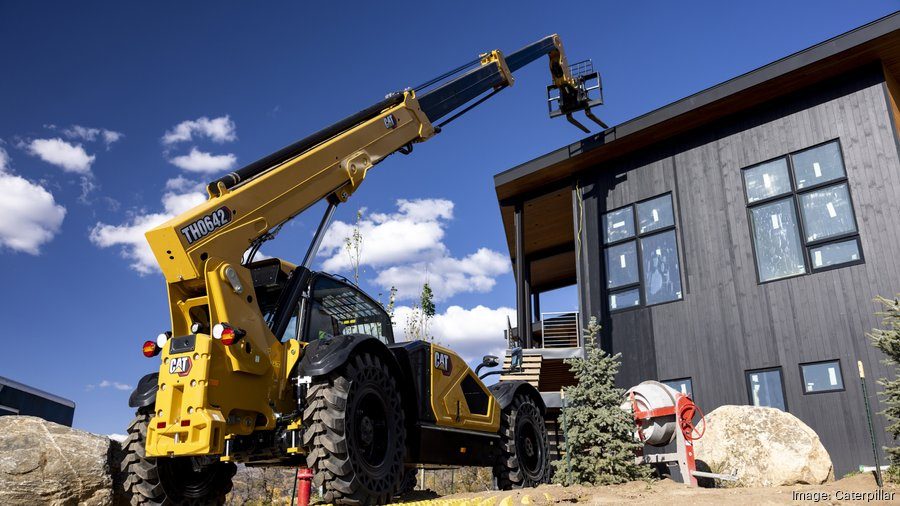
Both projects move critical production onto US soil. Caterpillar wants faster delivery of compact track loaders and telehandlers for small contractors. Ultium aims to be the first plant in the world to mass-produce prismatic lithium manganese-rich cells, which offer about 33 percent more energy density than today's leading low-cost chemistry at a similar price.

Why it matters

Two $1B projects put US-built compact machines and next-gen EV battery chemistry onshore, aiming to cut electric-truck costs by thousands per vehicle.

Questions about this story

Free account needed to ask — your question is kept and asked for you right after sign-up. Answers are public.

No questions yet — be the first to ask.

Key Indicators

$1B
Caterpillar investment in Sanford, NC
New compact track loader and telehandler factory in Lee County, backed by up to $85.5M in local incentives.
$1B
Ultium Cells investment in Spring Hill, TN
Retool to mass-produce prismatic LMR battery cells, adding 500 jobs to a workforce of 1,200.
33%
LMR energy density edge over LFP
Next-gen chemistry targets comparable cost to lithium iron phosphate with higher density.
400+
Target EV range in miles for LMR vehicles
GM plans LMR cells in full-size electric trucks and SUVs from 2028.

Voices

Curated perspectives — historical figures and your fellow readers.

Ever wondered what historical figures would say about today's headlines?

Sign up to generate historical perspectives on this story.

People Involved

Organizations Involved

Timeline

2021 October 2026

6 events Latest: 2 days ago
Tap a bar to jump to that date
  1. Manufacturing Dive reports both investments

    Latest Coverage

    Trade publication covered the two $1B projects alongside Genentech and Avio USA plant news.

  2. Caterpillar announces $1B Sanford plant

    Investment

    Caterpillar will build a new compact track loader and telehandler factory in North Carolina.

  3. Ultium announces $1B LMR retool

    Investment

    Ultium Cells will retool Spring Hill to mass-produce prismatic lithium manganese-rich cells, a world first.

  4. LFP cell production starts

    Production

    Spring Hill began building LFP cells for energy storage systems, its second chemistry.

  5. Spring Hill expansion announced

    Investment

    Ultium Cells added $275M and 400 more jobs at the Tennessee plant.

  6. GM and LG form Ultium Cells

    Joint venture

    The companies announced a $2.3B battery plant in Spring Hill with 1,300 jobs pledged.

Scenarios

1

Ultium Spring Hill starts mass LMR production on schedule

Likely Resolves by End of 2028

Discussed by: GM and Ultium statements; WardsAuto and GCN coverage

Retooling begins in late 2026 and finishes by 2028. Spring Hill becomes the first plant to mass-produce prismatic LMR cells, which GM uses first in full-size electric trucks and SUVs. GM's chief financial officer says the chemistry should cut pack-level costs by thousands of dollars per vehicle.

2

Caterpillar opens the Sanford compact equipment plant

Likely Resolves by End of 2029

Discussed by: WRAL, Lee County and Sanford officials

Caterpillar buys the Regional Crossroads Park site and builds the new factory, shifting compact track loader and telehandler production there. The company keeps its local workforce above the 1,950 minimum needed to unlock the full $85.5 million in local incentives, which pay out over 12 years.

3

GM ships an LMR EV with over 400 miles of range

Possible Resolves by Q2 2029

Discussed by: GM, GCN; battery analysts watch LMR durability

GM plans its first LMR-powered vehicles in 2028, starting with full-size trucks and SUVs. If the chemistry performs, pack costs fall and range tops 400 miles, making LMR a second pillar alongside LFP. Lithium manganese-rich cells have a history of voltage fade, so scale-up is not guaranteed.

Historical Context

3 moments from history that rhyme with this story — and how they unfolded.

1990-2009

Saturn plant at Spring Hill opens (1990)

General Motors opened its Spring Hill, Tennessee plant in 1990 to build Saturns, a new brand designed to fight Japanese imports. The factory used a Japanese-style work culture with fewer job classifications and a no-layoff pledge. At its peak in the mid-1990s it built roughly 300,000 cars a year.

Then

GM wound down the Saturn brand during the 2008-09 bankruptcy, shuttering the model.

Now

The plant was retooled for Chevrolets and later the Cadillac Lyriq EV, becoming a template for facility reinvention.

Why this matters now

Spring Hill is being reinvented again, this time as the first site to mass-produce LMR battery cells.

1982 onward

Honda opens Marysville, Ohio plant (1982)

Honda opened its first US auto plant in Marysville, Ohio, in 1982, starting with motorcycles and engine parts before assembling Accords. The factory eventually produced millions of cars with American workers.

Then

Marysville proved foreign automakers could build quality vehicles in the US and triggered a wave of transplants.

Now

Ohio built a durable auto manufacturing base that still anchors the state's economy.

Why this matters now

A single large factory bet can reshape a region's manufacturing base, the same promise behind these two $1B projects.

2022-2025

Post-IRA battery plant wave (2022-2025)

The Inflation Reduction Act of 2022 tied EV tax credits to US and allied battery production. Automakers and battery makers responded with tens of billions of dollars in new North American plant announcements.

Then

A rapid buildout of battery plants across the Midwest and Southeast, including Ultium Cells' own Ohio, Tennessee, and Michigan facilities.

Now

The US became a major battery manufacturing hub, though reliance on imported raw materials persists.

Why this matters now

Ultium's Spring Hill expansion extends this wave, betting on LMR chemistry to cut EV costs at scale.

Sources

(10)