
Pull to refresh
Logo
Google signs first commercial superhot geothermal contract

Google signs first commercial superhot geothermal contract

Built World

A 15-year deal for 50 megawatts from an unbuilt project at Newberry Volcano, with delivery to Oregon data centers as early as 2030

Overview

Updated 1 hour ago

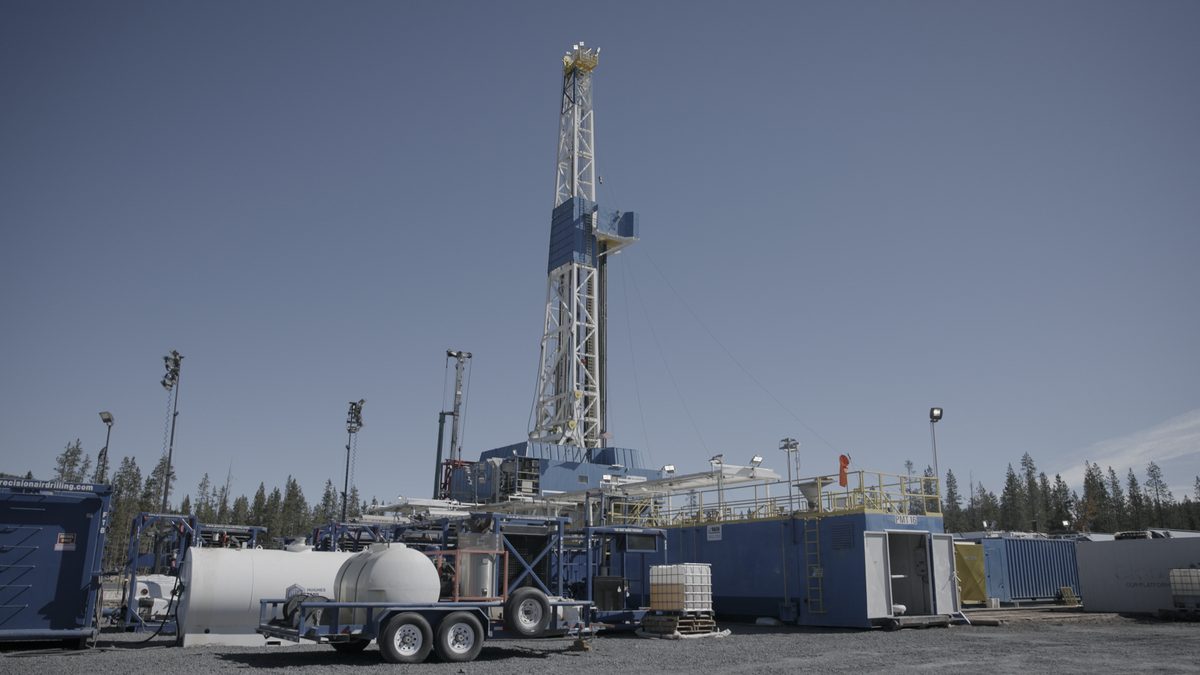
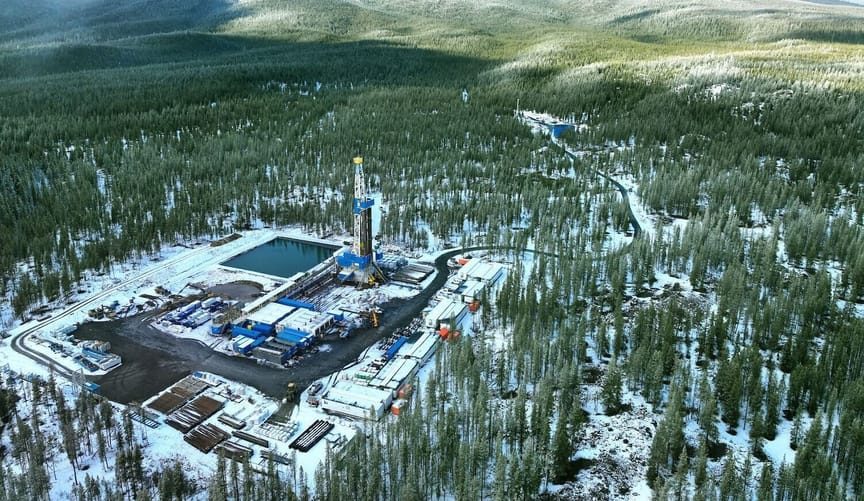
Google has agreed to buy 50 megawatts of geothermal electricity from a project that has not been built. The power would come from rock hotter than 900 degrees Fahrenheit near Newberry Volcano in central Oregon and reach Google's data centers in The Dalles as early as 2030.

The contract is the first commercial-scale purchase of superhot geothermal power. Conventional geothermal plants need naturally occurring hot-water reservoirs, which are rare and rarely exceed 400 degrees Fahrenheit. Quaise plans to drill to 65,000 feet, where it intends to vaporize rock with millimeter waves instead of turning a metal bit. Reports put the contract above $500 million and the two-stage buildout at about $350 million.

Why it matters

If superhot drilling works, geothermal stops being a niche resource and becomes a power source that can sit almost anywhere.

Questions about this story

Free account needed to ask — your question is kept and asked for you right after sign-up. Answers are public.

No questions yet — be the first to ask.

Key Indicators

50 MW
Contracted capacity
Power Google agreed to buy, roughly enough for 50,000 average households.
$500M+
Reported contract value
Figure given by a Quaise spokesperson and reported by the Wall Street Journal.
$350M
Estimated buildout cost
Expected cost of the two-stage project, conventional drilling first, millimeter-wave second.
19.8 km
Target well depth
65,000 feet, deep enough that conventional drill bits cannot withstand the heat.
500°C
Target rock temperature
932 degrees Fahrenheit at depth, the condition Quaise calls superhot.
15 years
Contract term
Length of the power purchase agreement.

Voices

Curated perspectives — historical figures and your fellow readers.

Sign up to generate historical perspectives on this story.

People Involved

Organizations Involved

Timeline

2026 November 2026

3 events Latest: 3 days ago
  1. Google signs 50-megawatt superhot geothermal contract with Quaise

    Latest Deal

    A 15-year power purchase agreement for electricity from Project Obsidian near Newberry Volcano, with delivery to The Dalles data centers targeted for 2030.

  2. Contract value reported above $500 million

    Disclosure

    A Quaise spokesperson put the deal above $500 million; the company estimated the two-stage buildout at about $350 million.

  3. Fervo says Utah geothermal power could be on sale this year

    Competition

    The rival enhanced geothermal developer said it could start selling round-the-clock power from Utah before Quaise's project delivers anything.

Scenarios

1

Project Obsidian delivers power to the Oregon grid by 2030

Possible Resolves by Q2 2031

Discussed by: Quaise and Google, which set 2030 as the earliest delivery date in the contract announcement

Quaise starts with conventional drilling to prove the heat resource, then switches to millimeter-wave drilling deeper in the hole. If the first wells produce at commercial rates, the plant and a 10-mile transmission line to a substation at La Pine get built and the power flows north to The Dalles. The signed contract is what the project needed to raise construction money, since lenders and investors have been waiting for a paying customer before funding a first-of-a-kind plant.

2

Quaise drills a production well with millimeter waves

Uncertain Resolves by End of 2029

Discussed by: Canary Media and TechCrunch, which note the drilling technology has not been deployed at commercial scale

Quaise's gyrotron approach has been described in design and testing, not in a working well. A successful switch from metal bits to rock-vaporizing millimeter waves several miles down would cut the cost of reaching superhot rock and make the company's claim of up to ten times more power per well testable. If it fails, Quaise keeps drilling conventionally and the project's economics stay close to today's enhanced geothermal projects.

3

Obsidian stalls and the Google contract is cut or cancelled

Unlikely Resolves by End of 2030

Discussed by: Canary Media, which reported open questions about how well these wells perform over long periods

Drilling to superhot rock is expensive, the transmission line is unbuilt, and the region's grid operator has built almost no new lines in recent years. If costs outrun the estimate or the first wells underperform, the project could be delayed past the point where Google needs the power, leading to a renegotiated or terminated contract.

Historical Context

3 moments from history that rhyme with this story — and how they unfolded.

1960 onward

The Geysers geothermal field, California (1960)

Pacific Gas and Electric began running a commercial geothermal power plant at The Geysers in northern California, drawing steam from a natural reservoir. The field became the largest geothermal complex in the world, and it worked because the geology happened to supply steam close to the surface.

Then

Geothermal became a real source of electricity in one part of one state.

Now

The resource stayed geographically confined, since plants needed naturally occurring hot water or steam that most places do not have.

Why this matters now

Quaise's pitch is to break exactly that constraint by drilling to heat that exists everywhere, rather than hunting for rare natural reservoirs.

Mid-2000s–2010s

The shale gas boom, United States (mid-2000s to 2010s)

U.S. drillers combined horizontal drilling with hydraulic fracturing to extract gas from rock that had been considered too tight to produce. Techniques and suppliers from the oil field moved into a resource that had been written off.

Then

Gas that had been uneconomic started flowing in large volumes.

Now

Shale gas went from a marginal share of U.S. production to the largest single source, and drilling costs fell as crews repeated the process.

Why this matters now

Quaise is making the same bet in a different rock: that borrowed drilling techniques plus repetition can turn a resource nobody counted into a large one.

2023–2026

Fervo Energy's enhanced geothermal projects (2023–2026)

Fervo has been drilling engineered geothermal wells in the western United States and said in November 2026 that it could begin selling round-the-clock power from Utah that year.

Then

Enhanced geothermal moved from pilot wells toward contracted electricity sales.

Now

The question shifted from whether engineered geothermal can produce power to whether it can produce it cheaply and reliably at scale.

Why this matters now

Fervo is the closest competitor to Quaise, and its progress sets the benchmark for whether Obsidian's 2030 target is early, on time, or late.

Sources

(8)