
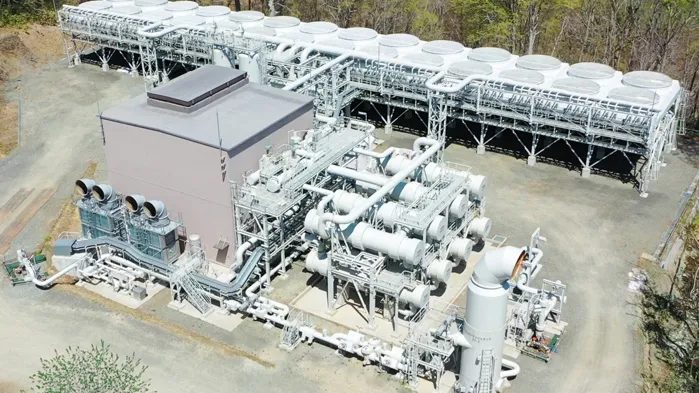
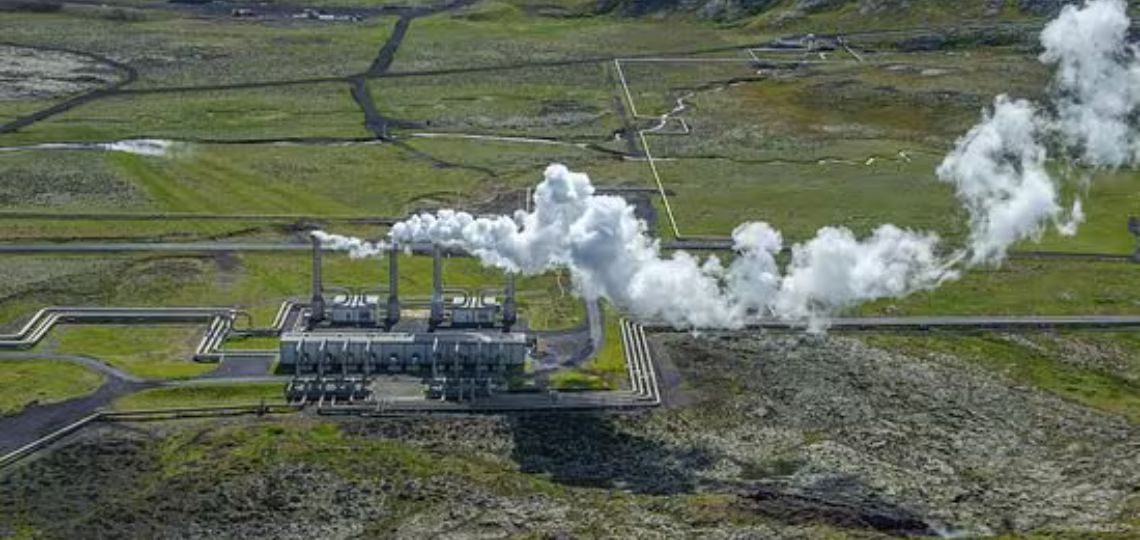
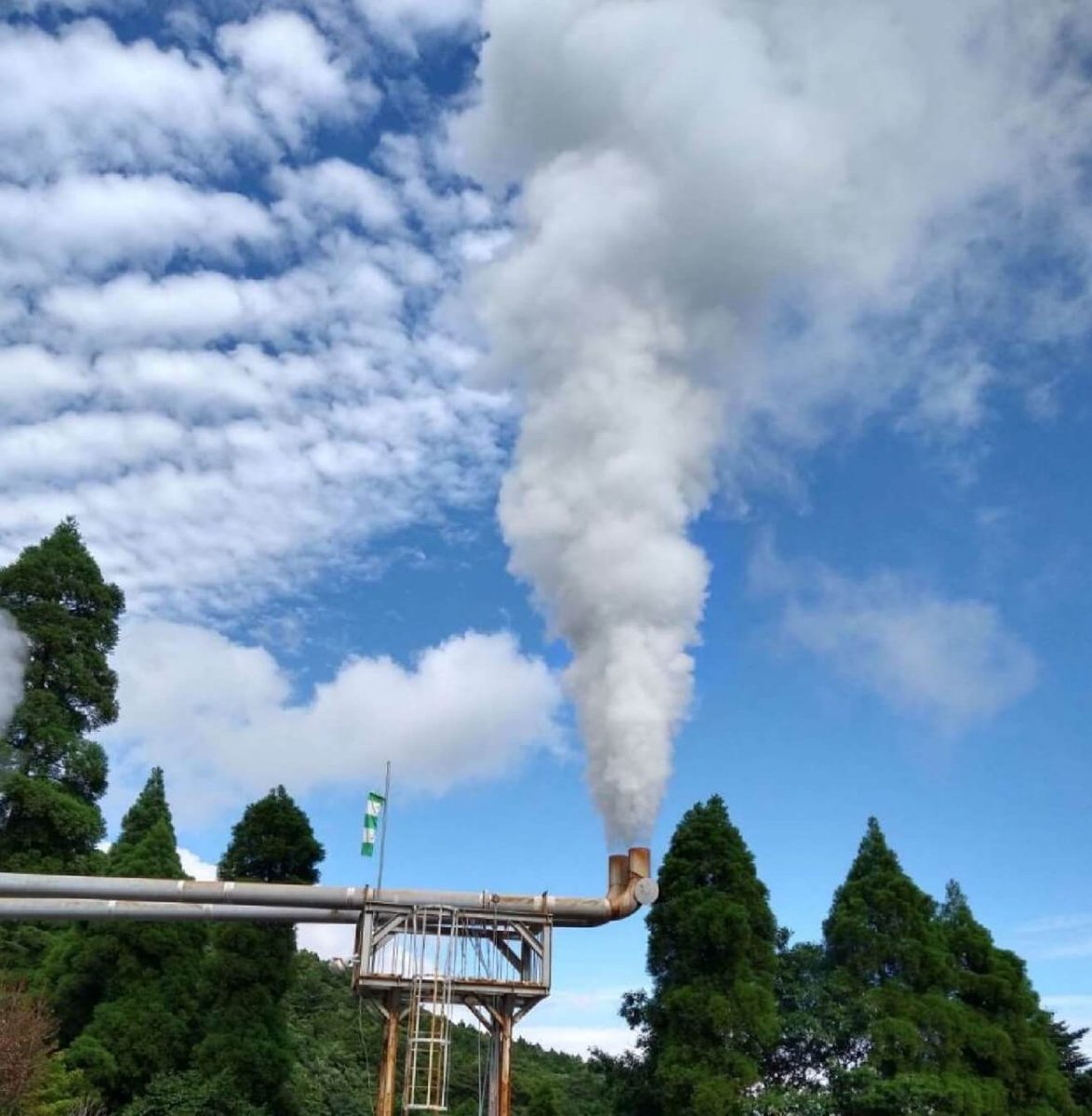


Matsukawa Geothermal Power Station (1966)
Japan's first commercial geothermal power station began operating at Matsukawa in Iwate Prefecture, built by Japan Metals and Chemical. It proved that Japan's volcanic geology could generate grid-scale electricity from underground heat.
The plant established geothermal as a viable domestic power source in Japan.
Despite an enormous resource base, Japanese geothermal grew slowly; hot spring owners' opposition and complex permitting pushed most development to remote areas. Matsukawa's startup was followed by only a handful of plants over the next 50 years.
The Kirishima project's 28-year development path reflects the regulatory and social friction that has throttled Japanese geothermal since Matsukawa. The binary plant's approval only came after years of formal consent from a hot-spring town.