




Pull to refresh
Logo
Indiana regulators approve AES plan to power Google data center

Indiana regulators approve AES plan to power Google data center

Built World

First approval under Indiana's 2025 large-load law; Google pays 100% of costs

Today: Commission releases written order

Overview

Updated 1 hour ago

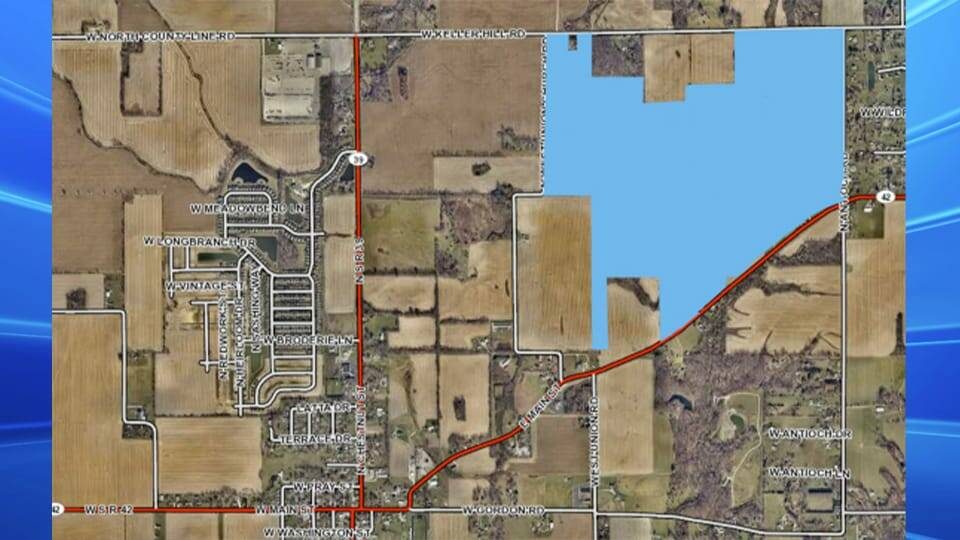
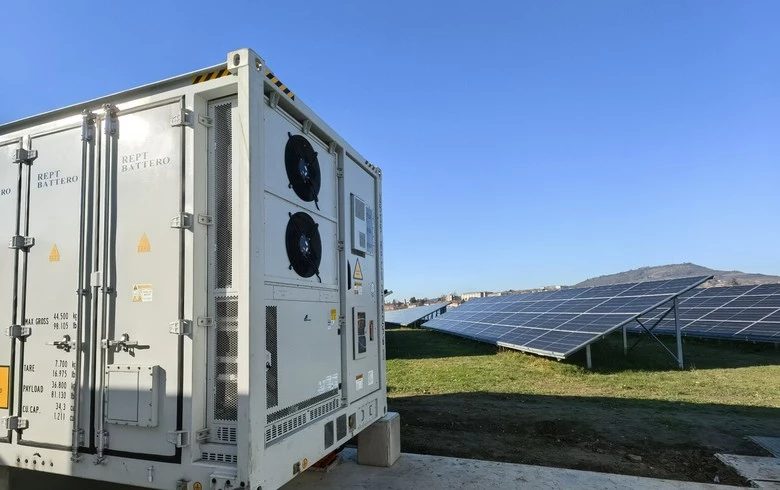
Indiana utility regulators voted unanimously on October 7 to let AES Indiana build the solar, battery storage, and transmission needed to power a 390-megawatt Google data center in Monrovia, southwest of Indianapolis. Google covers the full $1.3 billion cost of the energy and infrastructure, and existing customers are projected to save $770 million over 15 years.

The order is the first test of Indiana's 2025 large-load law, which requires big electricity users like data centers to cover at least 80 percent of the costs assigned to them. The approval sets a precedent for how the state prices data center power and keeps ratepayers from absorbing stranded costs.

Why it matters

The approval shows how to bring data center power demand onto a state grid without shifting plant and line costs to homes.

Questions about this story

Free account needed to ask — your question is kept and asked for you right after sign-up. Answers are public.

No questions yet — be the first to ask.

Key Indicators

$1.3B
Infrastructure investment
AES Indiana's estimated cost for solar, storage, and transmission to serve the data center.
$770M
Projected customer savings
Estimated savings to existing AES Indiana customers over 15 years, per company modeling.
390 MW
Data center capacity
Google's contracted power demand from the Monrovia facility.
80%
Minimum demand obligation
Google pays for at least 80 percent of contracted demand even if actual usage is lower.
15 years
Minimum contract term
Duration of the customer-specific contract between AES Indiana and Google.

Voices

Curated perspectives — historical figures and your fellow readers.

Ever wondered what historical figures would say about today's headlines?

Sign up to generate historical perspectives on this story.

People Involved

Organizations Involved

Timeline

May 2025 October 2026

4 events Latest: Today
Tap a bar to jump to that date
  1. Commission releases written order

    Today Regulatory Decision

    IURC releases the written order detailing the approval, project scope, and cost allocations.

  2. IURC approves AES plan

    Regulatory Decision

    IURC unanimously approves AES plan; Google pays 100 percent of energy and infrastructure costs.

  3. AES Indiana files its plan

    Regulatory Filing

    AES Indiana files its large-load growth plan with the IURC under HEA 1007.

  4. Indiana passes large-load law

    Legislation

    Indiana passes HEA 1007, requiring large-load customers to cover 80 percent of assigned costs.

Scenarios

1

Google brings the Monrovia data center online at scale

Likely Resolves by End of 2029

Discussed by: AES Indiana and the IURC, which authorized the investment based on Google's contracted demand

Construction of the solar and storage facilities proceeds in phases aligned with actual demand. The data center comes online and draws power at or near its 390-megawatt contracted level, confirming the $770 million customer savings projection.

2

A second data center files under Indiana's large-load law

Possible Resolves by End of 2027

Discussed by: AES Indiana, which described the framework as supporting Central Indiana's continued growth

Another large-load developer uses HEA 1007 to contract with an Indiana utility. Each filing must meet the 80 percent cost-coverage requirement, and each approval extends the precedent set in the Monrovia order.

3

Citizens Action Coalition appeals the transmission cost allocation

Possible Resolves by Q2 2027

Discussed by: Citizens Action Coalition program director Ben Inskeep, who publicly challenged the $74 million allocation

CAC seeks review of the IURC order in the Indiana Court of Appeals, arguing existing customers would shoulder transmission costs that should fall on Google. The appeal would test whether the commission's reasoning survives judicial scrutiny.

Historical Context

2 moments from history that rhyme with this story — and how they unfolded.

2019-2023

Northern Virginia data center boom strains the grid (2019-2023)

Data center construction in Loudoun and Prince William counties drove Dominion Energy's load forecasts sharply upward, forcing the utility to plan new transmission lines and substations to keep pace. The buildout made Northern Virginia the world's largest data center market.

Then

Dominion secured rate increases to fund grid expansion, with costs spread across its customer base.

Now

The episode showed how quickly concentrated data center demand can strain a regional grid and became a cautionary tale for other states courting data centers.

Why this matters now

Indiana's large-load law is a direct response to that lesson: force the data center to pay for the infrastructure it triggers.

2024-2026

US data center power demand surge (2024-2026)

AI workloads pushed utilities across the country to sharply revise electricity demand forecasts, and several states debated who should pay for new generation and transmission.

Then

Utilities proposed special contracts and new tariffs for large loads; some state legislatures passed laws requiring data centers to cover their costs.

Now

Indiana's HEA 1007 became one of the first such laws, and this approval is its first major application.

Why this matters now

The Monrovia approval tests whether the 'data center pays its way' model works in practice.

Sources

(10)