
Pull to refresh
Logo
Canal Park reopens after $7.5M riverfront renovation

Canal Park reopens after $7.5M riverfront renovation

Built World Grand Rapids, MI local

Grand Rapids riverfront park opens with accessible play space, kayak launch, pavilion

Yesterday: Community reports Canal Park open

Overview

Updated 1 hour ago

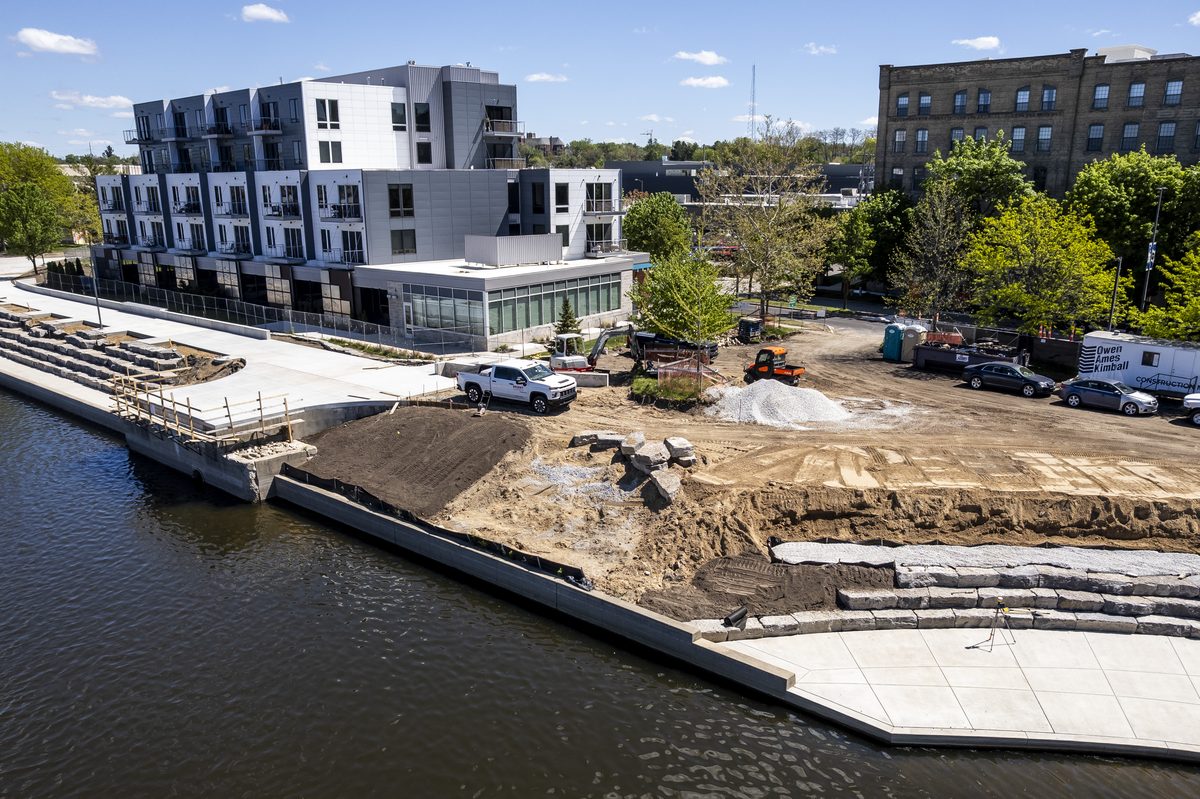
Canal Park, known locally as the Canal Street park, is open to the public after a $7.5 million renovation, according to an Oct. 23 post on the r/grandrapids forum. The riverfront space at 941 Monroe Ave NW now includes a fully accessible "River Story" play area, a kayak launch, and a covered pavilion for events.

The park runs along the Grand River's eastern shore just north of Sixth Street Park. The renovation is one of the Grand Riverfront developments along the river downtown.

Why it matters

The renovated park gives Grand Rapids residents direct river access, an accessible playground, and downtown event space.

Monday: what changed in Grand Rapids, MI

One short email a week with the openings, closings, permits and council votes we covered. Free. Unsubscribe in one click.

Questions about this story

Free account needed to ask — your question is kept and asked for you right after sign-up. Answers are public.

No questions yet — be the first to ask.

Key Indicators

$7.5M
Renovation cost
Total budget for the Canal Park renovation project.

Voices

Curated perspectives — historical figures and your fellow readers.

Ever wondered what historical figures would say about today's headlines?

Sign up to generate historical perspectives on this story.

Organizations Involved

Timeline

1 event Latest: Yesterday
  1. Community reports Canal Park open

    Latest Opening

    Reddit users report the renovated Canal Park in downtown Grand Rapids is open to the public after a $7.5 million renovation.

Scenarios

1

Canal Park becomes downtown's go-to event venue

Possible Resolves by Oct 23, 2027

Discussed by: City of Grand Rapids officials and downtown business groups

If usage is strong, city officials will book the pavilion regularly for farmers markets, concerts, and community gatherings. The accessible kayak launch, a first for this stretch of the Grand River, draws paddlers from across the metro area. Local restaurants and shops near Monroe Avenue see more foot traffic.

2

Early growing pains close Canal Park features

Unlikely Resolves by Jan 15, 2027

Discussed by: Local residents and city maintenance staff

New construction sometimes has issues. If the kayak launch or plaza drainage fails under first use, the city may close parts of the park for repairs. Flooding is also a risk along the Grand River; the park was designed with flood protection in mind, but the first high-water event will test it.

3

Canal Park ignites Grand River revitalization

Possible Resolves by End of 2027

Discussed by: Grand Rapids economic development officials and urban planners

Park projects often anchor bigger transformations. If Canal Park draws steady visitors, developers and city planners may speed up plans for additional riverfront projects, new housing, or commercial space along the Grand River. The park becomes a proof point for the city's long-term riverfront master plan.

Historical Context

2 moments from history that rhyme with this story — and how they unfolded.

July 2004

Millennium Park (Chicago, 2004)

Chicago transformed a 24.5-acre site of former rail yards and parking lots into Millennium Park, a public park with a concert pavilion, gardens, and public art. The project cost roughly $475 million from public and private sources.

Then

The park drew millions of visitors in its first year and became a signature destination on Chicago's lakefront.

Now

It spurred billions in private development around the park and became a model for public-private park funding across the U.S.

Why this matters now

Shows how a well-designed park can turn neglected urban land into a civic draw. Canal Park's renovation is a smaller-scale application of the same idea along the Grand River.

June 2009

The High Line (New York, 2009)

An abandoned 1.45-mile elevated freight rail line on Manhattan's West Side was converted into a linear park. The first section opened in June 2009 after years of community advocacy and design work.

Then

The park attracted millions of annual visitors and became one of New York's most popular public spaces.

Now

It triggered billions in private real estate development along its route and inspired park projects in cities worldwide.

Why this matters now

Demonstrates that converting industrial infrastructure into public recreation can reshape a neighborhood's identity. Canal Park's riverfront transformation echoes this pattern on a municipal scale.

Sources

(3)