
Pull to refresh
Logo
Grand Rapids seeks partner to redevelop 6.4 acres in River North

Grand Rapids seeks partner to redevelop 6.4 acres in River North

Built World Grand Rapids, MI local

The city-owned parcel on the northwest side could become housing, retail, or a mix as officials open the bidding process.

Today: City issues RFP for River North site

Overview

Updated 1 hour ago

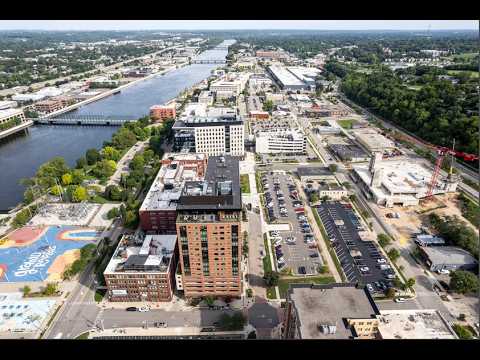
Grand Rapids is looking for a private developer to transform a 6.4-acre city-owned parcel in the River North neighborhood, according to a report from WOODTV.com. The city issued a request for proposals (RFP) in early October 2026, seeking a partner to reimagine the underutilized land on the northwest side.

The site sits within the city's Growing Our Zoned Assets for Prosperity (GO-ZAP) initiative, which identifies publicly owned land that could be better used for housing, jobs, or services. The outcome will determine whether this parcel becomes affordable housing, commercial space, or a mixed-use district—and could set a pattern for how the city handles other surplus properties.

Why it matters

How Grand Rapids develops this 6.4 acres will shape housing supply and neighborhood economics on the northwest side for decades.

Monday: what changed in Grand Rapids, MI

One short email a week with the openings, closings, permits and council votes we covered. Free. Unsubscribe in one click.

Questions about this story

Free account needed to ask — your question is kept and asked for you right after sign-up. Answers are public.

No questions yet — be the first to ask.

Key Indicators

6.4
Parcel size in acres
The total acreage the city is seeking to redevelop
2026
RFP issue year
Year the city issued the request for proposals

Voices

Curated perspectives — historical figures and your fellow readers.

Ever wondered what historical figures would say about today's headlines?

Sign up to generate historical perspectives on this story.

Organizations Involved

Timeline

January 2025 October 2026

2 events Latest: Today
  1. City issues RFP for River North site

    Today Announcement

    Grand Rapids formally seeks a development partner for the 6.4-acre parcel in northwest Grand Rapids.

  2. GO-ZAP plan adopted

    Policy

    Grand Rapids approves the Growing Our Zoned Assets for Prosperity framework to catalog and redevelop city-owned land.

Scenarios

1

City selects a developer and negotiates a mixed-use agreement

Likely Resolves by Q1 2027

Discussed by: WOODTV, city staff, local development observers

After the RFP closes, a selection committee scores proposals on feasibility, housing mix, and financial return. A preferred developer is chosen, terms are negotiated, and the City Commission votes on the final agreement. This is the smoothest path, with construction starting within a few years.

2

RFP process stalls over zoning or financing disputes

Possible Resolves by End of 2027

Discussed by: Local community groups, planning advocates

Prospective developers submit plans that conflict with existing zoning for the area, or the site requires expensive environmental remediation. Negotiations drag on, the RFP is reissued, or the city decides to extend the deadline. Delays push an agreement into 2028.

3

City selects a developer, but community opposition blocks the plan

Unlikely Resolves by Q2 2027

Discussed by: Neighborhood associations, housing advocates

The chosen proposal calls for market-rate housing that some residents say will not meet the area's need, or includes a use they oppose. Public meetings turn contentious, and the City Commission delays a vote or sends the project back for revision.

Historical Context

One moment from history that rhymes with this story — and how it unfolded.

1934–present

Housing and Urban Development's Title I program (1934)

The federal government began insuring private loans for slum clearance and housing construction. Cities across the U.S. acquired land, demolished structures, and sold parcels to private developers at a discount to spur redevelopment.

Then

Large-scale urban renewal projects in the 1950s and 1960s.

Now

Created a recurring pattern of public-private partnerships for redevelopment, with mixed results for neighborhoods and displaced residents.

Why this matters now

Mirrors the current dynamic: a city leveraging government-owned land to attract private capital for redevelopment, with the same tension between public goals and private profit.

Sources

(1)