
Pull to refresh
Logo
Grand Rapids rezones two avenues to clear the way for new homes

Grand Rapids rezones two avenues to clear the way for new homes

Rule Changes Grand Rapids, MI local

Approvals enable a 12-unit building on Livingston and roughly 64 homes on adjacent Fuller Avenue parcels

Overview

Updated 47 minutes ago

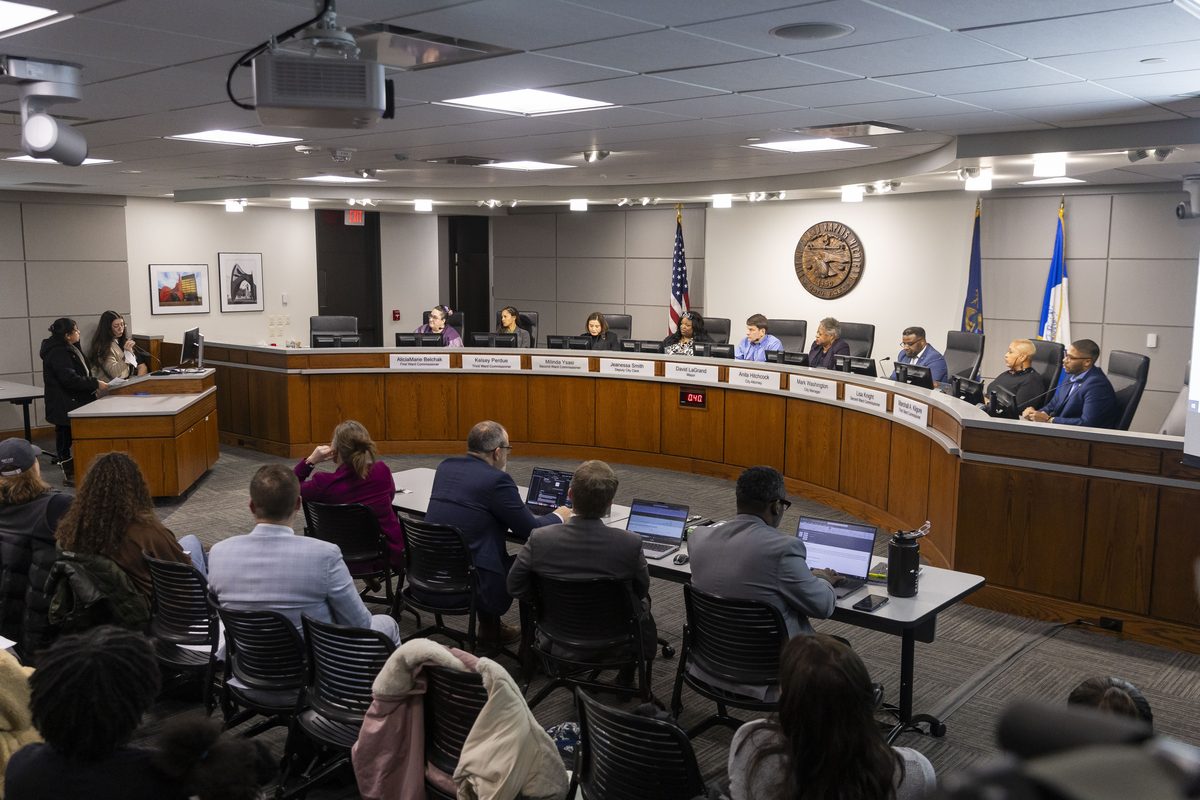
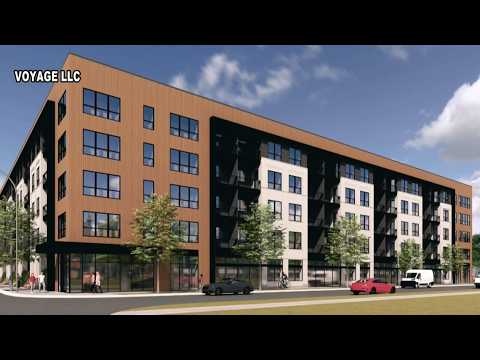
Grand Rapids' City Commission approved three rezoning requests on October 27 that make room for new housing on Livingston and Fuller avenues. One parcel at 834 Livingston NE can now hold a 12-unit residential building; two adjacent Fuller Avenue sites combine for about 64 new homes.

The approvals are the latest step in a city push to close a housing gap. A 2023 Housing Needs Assessment found Grand Rapids needs 14,106 new dwelling units by 2027, and the city has responded with zoning changes that allow accessory dwelling units, denser infill, and fewer parking requirements.

Why it matters

Grand Rapids needs 14,106 new homes by 2027; these approvals move two corridor sites toward the 76 units the city's housing gap demands.

Monday: what changed in Grand Rapids, MI

One short email a week with the openings, closings, permits and council votes we covered. Free. Unsubscribe in one click.

Questions about this story

Free account needed to ask — your question is kept and asked for you right after sign-up. Answers are public.

No questions yet — be the first to ask.

Key Indicators

14,106
Dwelling units Grand Rapids needs by 2027
City share of the 34,700-unit countywide gap from the 2023 Housing Needs Assessment.
~76
Homes enabled by October 2026 rezonings
A 12-unit building on Livingston plus about 64 homes on the combined Fuller Avenue sites.
47%
Downtown population growth, 2010–2020
Downtown grew to 6,402 residents, largely from new apartment construction after the 2008 zoning overhaul.

Voices

Curated perspectives — historical figures and your fellow readers.

Sign up to generate historical perspectives on this story.

People Involved

Organizations Involved

Timeline

2008 October 2026

6 events Latest: 3 days ago
Tap a bar to jump to that date
  1. Commission approves three rezonings on Livingston and Fuller

    Latest Decision

    Approvals enable a 12-unit building at 834 Livingston NE and about 64 homes on two adjacent Fuller Avenue parcels.

  2. City holds public hearing on housing text amendments

    Hearing

    Public hearing covers zoning text amendments for ADUs, group living, small-scale infill, and parking minimums.

  3. Permit-ready plans program launches

    Program

    City partners with MEDC and design firms to offer free construction blueprints for duplexes and quadplexes.

  4. City and planning commissions agree on reform areas

    Meeting

    Joint meeting narrows five policy categories: accessory dwelling units, unrelated occupants, group living, infill housing, and parking.

  5. Housing needs assessment sets 14,106-unit city target

    Analysis

    Housing Next's update finds Grand Rapids needs 14,106 new dwelling units by 2027; the commission begins its reform push.

  6. Grand Rapids ends single-family-only zoning

    Policy

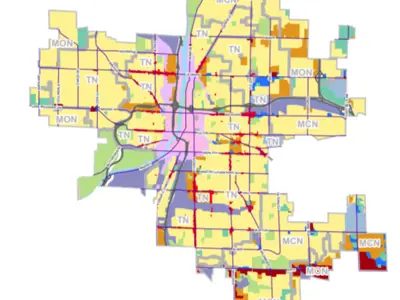
    New character-district zoning ordinance allows duplexes and apartments across the city, by right or with special approval.

Scenarios

1

Rezoning unlocks construction on both corridors

Likely Resolves by Q2 2028

Discussed by: Grand Rapids planning staff, whose permit-ready program is designed to speed small-scale infill projects

Developers submit site plans and building permits for the 12-unit Livingston building and the 64-home Fuller development. The city's streamlined process—no parking minimums on these street types and pre-approved blueprints—keeps approvals quick. Construction would run through 2027 and 2028, adding units toward the city's 14,106 target.

2

Fuller Avenue housing stalls on financing

Possible Resolves by Q2 2028

Discussed by: The city's own Housing Needs Assessment, which documents ongoing rental and for-sale shortages

Rezoning alone doesn't build homes. If construction costs or interest rates keep the projects unprofitable, the parcels stay wooded and the approvals sit unused. The city's estimated shortfall of 7,961 rental units and 6,155 for-sale homes would persist.

3

Neighbors challenge the rezonings in court

Unlikely Resolves by End of 2027

Discussed by: The Bipartisan Policy Center's Terwilliger Center profile, which notes the 2008 changes drew very little opposition

A neighborhood group or adjacent property owner challenges one of the approvals in Kent County Circuit Court, arguing the city misapplied its zoning ordinance. A court order could halt or force a redesign of part of the Fuller Avenue development. Grand Rapids' zoning reforms have faced minimal organized opposition since 2008, making this an outlier case.

Historical Context

2 moments from history that rhyme with this story — and how they unfolded.

December 2018

Minneapolis ends single-family zoning (2018)

Minneapolis's city council voted 12-3 to allow duplexes and triplexes in single-family neighborhoods as part of its 2040 comprehensive plan. It was the first major U.S. city to eliminate single-family-only zoning, drawing national attention.

Then

The plan survived legal challenges and took effect over the following years, with implementation ongoing.

Now

Became a model for state-level zoning reforms in Oregon, California, and elsewhere.

Why this matters now

Grand Rapids adopted equivalent character-district zoning nearly a decade earlier, in 2008, and is often cited as a quieter pioneer. The October 2026 rezonings continue that tradition.

2019

Oregon bans single-family zoning statewide (2019)

Oregon's legislature passed HB 2001 in 2019, requiring cities over 10,000 people to allow duplexes, triplexes, and fourplexes in single-family zones, with large cities implementing by 2022.

Then

Several cities resisted implementation, but the law held and the first wave of changes took effect in 2022.

Now

Set a statewide precedent for zoning preemption that other states have since followed.

Why this matters now

Shows how density-friendly zoning has spread from individual cities to state policy. Grand Rapids applies the same principles locally through text amendments and parcel-level rezonings like the October 2026 approvals.

Sources

(5)