

Pull to refresh
Logo
Hispanic Center of Western Michigan reopens remodeled Grand Rapids home

Hispanic Center of Western Michigan reopens remodeled Grand Rapids home

Built World Grand Rapids, MI local

Community center returns to permanent home as Grand Rapids' Hispanic institutions expand

Today: Hispanic Center reopens remodeled home

Overview

Updated 1 hour ago

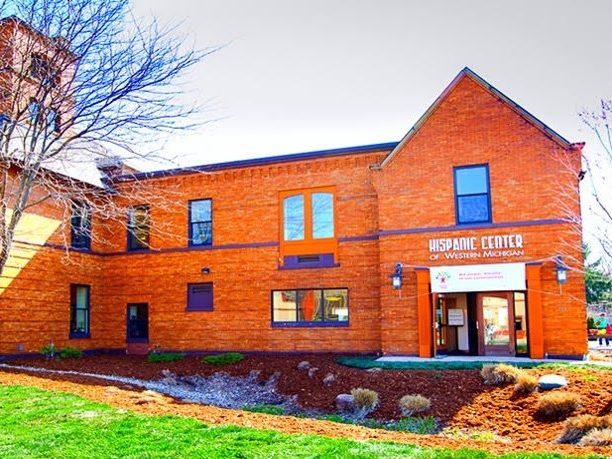
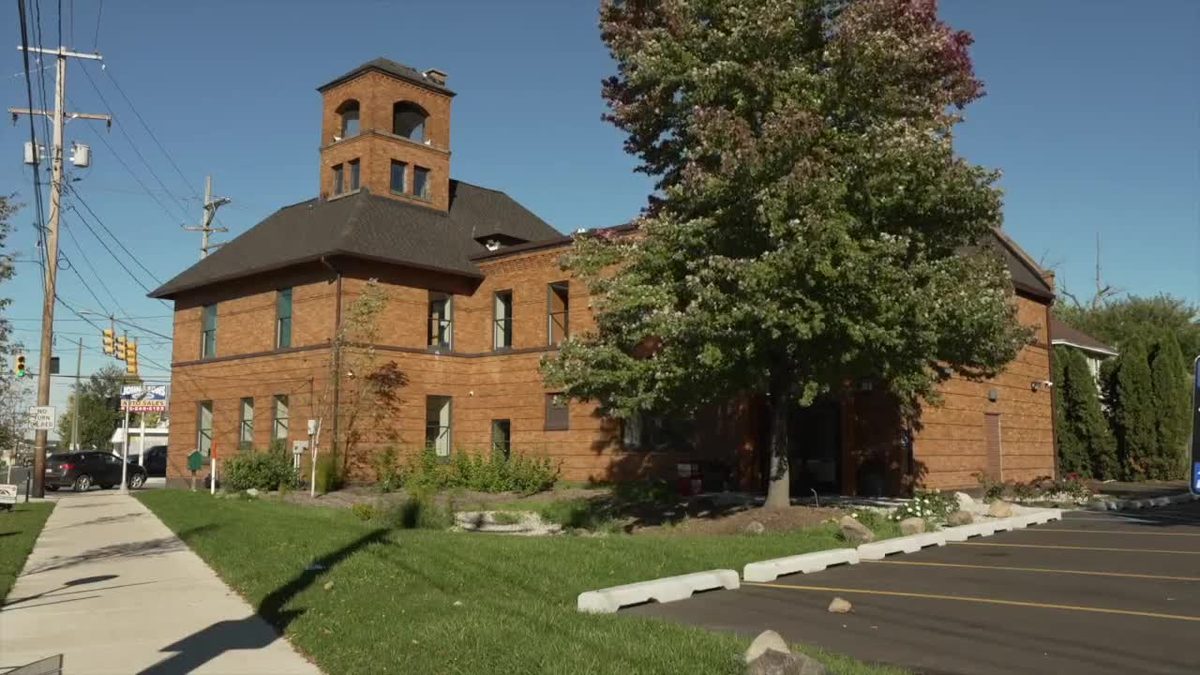
The Hispanic Center of Western Michigan is back in its remodeled building and inviting the community to see the changes. The center had been operating from a temporary location at 425 Pleasant St SW in Grand Rapids during renovations.

The reopening comes days after the West Michigan Hispanic Chamber of Commerce opened a $10 million Hub for Latino Economic Advancement and Talent Development on Godfrey Avenue SW. The two institutions give Grand Rapids' growing Latino community permanent physical anchors for services, education, and business support.

Why it matters

A permanent home means the 30,000 people the Center assisted in 2022 keep access to bilingual preschool, job training, and family services.

Monday: what changed in Grand Rapids, MI

One short email a week with the openings, closings, permits and council votes we covered. Free. Unsubscribe in one click.

Questions about this story

Free account needed to ask — your question is kept and asked for you right after sign-up. Answers are public.

No questions yet — be the first to ask.

Key Indicators

30,000
People served by the Center in 2022
The Hispanic Center reported assisting 30,000 individuals in 2022.
$10M
Cost of the Chamber's new Hub
The West Michigan Hispanic Chamber of Commerce's new Hub cost $10 million.

Voices

Curated perspectives — historical figures and your fellow readers.

Ever wondered what historical figures would say about today's headlines?

Sign up to generate historical perspectives on this story.

People Involved

Organizations Involved

Timeline

2 events Latest: Today
  1. Hispanic Center reopens remodeled home

    Today Opening

    Hispanic Center welcomes community to remodeled building after operating from temporary location.

  2. Hispanic Chamber opens $10 million Hub

    Opening

    West Michigan Hispanic Chamber opens Hub for Latino Economic Advancement and Talent Development in Roosevelt Park.

Scenarios

1

Hispanic Center expands programs in remodeled home

Likely Resolves by End of 2027

Discussed by: Local media and community leaders

The Center uses its remodeled space to add programs or serve more people. Its 2022 service figure of 30,000 could grow as the Center settles into its permanent home and the community becomes aware of the expanded facilities.

2

Center and Chamber launch joint workforce initiative

Possible Resolves by Q2 2027

Discussed by: Local media

The Center and Chamber, now both in permanent facilities, announce joint programs or partnerships. The Chamber's Hub has training rooms and event space that could host Center programs, and both organizations serve overlapping communities.

3

Hispanic Center seeks emergency funding to maintain new facility

Possible Resolves by End of 2027

Discussed by: Local media

The Center struggles to maintain the remodeled facility due to funding or staffing challenges. Nonprofits often face increased operating costs after renovations, and the Center may need to raise additional funds.

Historical Context

2 moments from history that rhyme with this story — and how they unfolded.

September 1889

Hull House (1889)

Jane Addams and Ellen Gates Starr founded Hull House in Chicago, a settlement house providing education, childcare, and social services to immigrant communities. It grew rapidly and became a national model.

Then

Hull House served thousands of immigrants with classes, childcare, and advocacy, and inspired similar settlement houses across the US.

Now

The settlement house movement established community centers in immigrant neighborhoods nationwide, a model that persists today.

Why this matters now

Like Hull House, the Hispanic Center provides a range of services to an immigrant community from a physical anchor, showing how community institutions support integration and opportunity.

1960s-1970s

Chicano Movement community centers (1960s-1970s)

The Chicano Movement spurred the creation of community centers, cultural institutions, and advocacy organizations in Hispanic neighborhoods across the US Southwest and Midwest.

Then

These institutions provided services, education, and political voice to Mexican American communities.

Now

Many evolved into permanent institutions that continue to serve Hispanic communities today.

Why this matters now

The Hispanic Center and Chamber's Hub are part of this tradition of building permanent institutions for Hispanic communities, adapting the model to a new generation.

Sources

(3)