
Pull to refresh
Logo
Grand Rapids Public Museum opens its archives to the community

Grand Rapids Public Museum opens its archives to the community

Built World Grand Rapids, MI local

A $50 million expansion turns a closed warehouse into a public space for 250,000 artifacts

Today: Archives open to community

Overview

Updated 1 hour ago

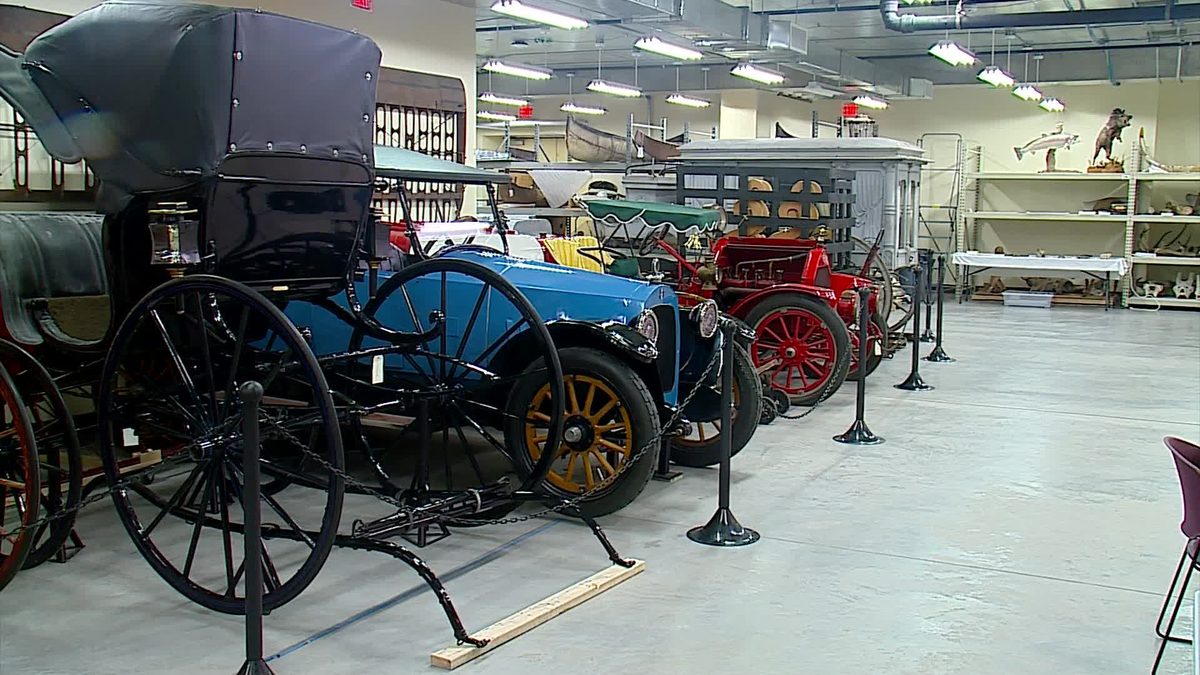
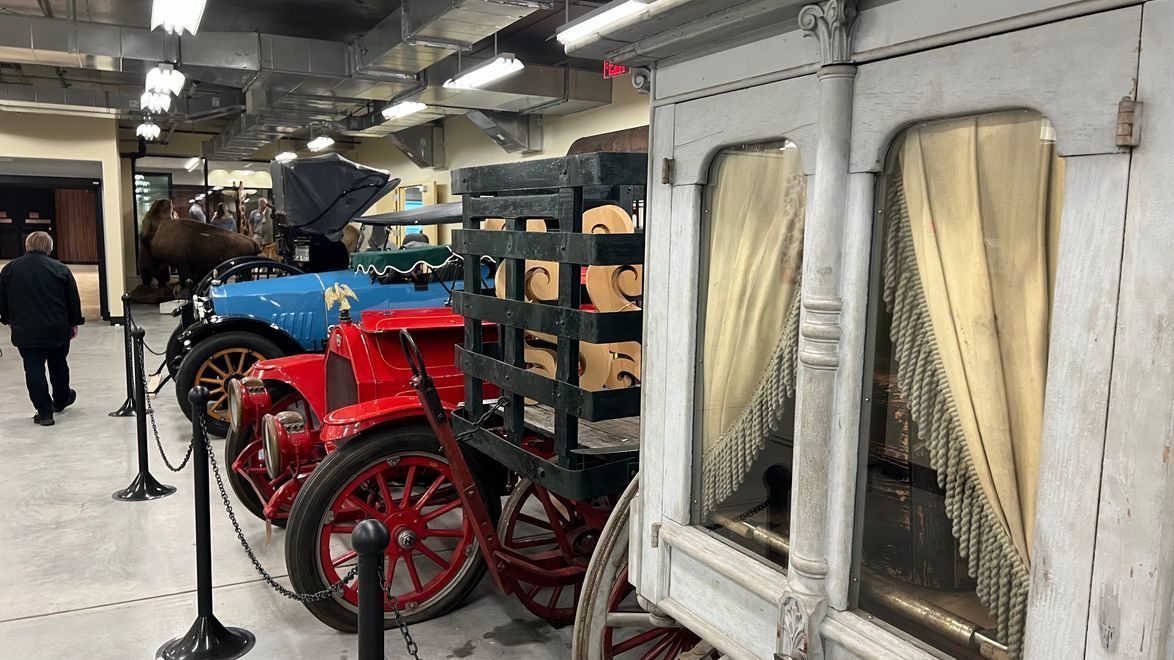
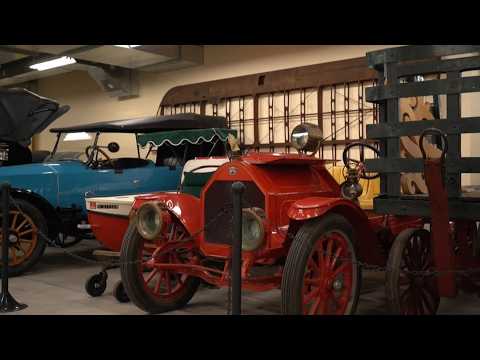
For 170 years, the Grand Rapids Public Museum's collection sat in a climate-controlled warehouse, visible mainly to researchers with appointments. On September 17, 2026, the museum opened public spaces inside that facility. Visitors can now walk among hundreds of thousands of artifacts formerly stored out of sight.

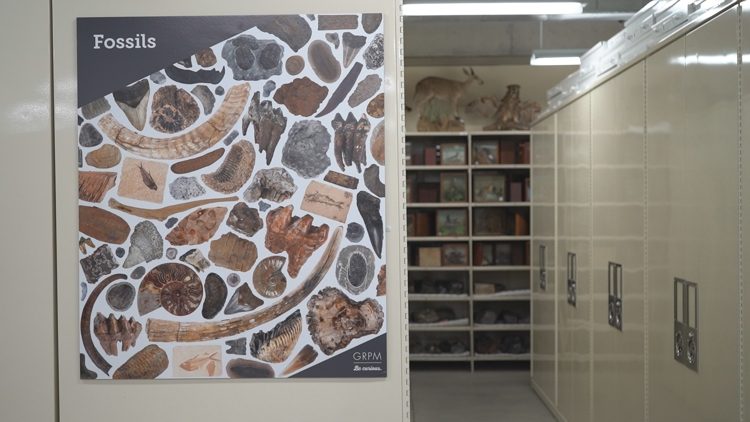
The opening is a milestone in a $50 million expansion, the museum's first major renovation since its downtown building opened in 1994. The Community Archives and Research Center holds about 95% of the museum's 250,000 artifacts. The project turns that warehouse into a public destination.

Why it matters

Opening the archives turns 250,000 stored objects into a public resource—and tests whether 'open storage' works at a mid-size museum.

Questions about this story

Free account needed to ask — your question is kept and asked for you right after sign-up. Answers are public.

No questions yet — be the first to ask.

Key Indicators

$50 million
Expansion cost
Museum's first major renovation since the Van Andel Museum Center opened in 1994.
250,000
Artifacts in collection
About 95% are stored at the Community Archives and Research Center on Washington Street.
95%
Collection housed at CARC
Previously accessible only by appointment or reserved paid tour.
170 years
Institution's age
Founded in 1854 as the Grand Rapids Lyceum of Natural History.

Voices

Curated perspectives — historical figures and your fellow readers.

Ever wondered what historical figures would say about today's headlines?

Sign up to generate historical perspectives on this story.

People Involved

Organizations Involved

Timeline

1854 September 2026

8 events Latest: Today
Tap a bar to jump to that date
  1. Archives open to community

    Today Milestone

    GRPM opens public spaces at the archives center, exposing stored artifacts to visitors.

  2. Sea wall installation begins

    Construction

    Permanent steel sheeting goes in along the Grand River bank as part of riverfront improvements.

  3. Construction uncovers historic mill remnants

    Construction

    Excavators unearth water wheels from the Voigt Milling Company, which occupied the site until the 1950s.

  4. County millage approved

    Funding

    Kent County voters approve a joint 10-year millage with the John Ball Zoo covering core operational costs.

  5. Van Andel Museum Center opens

    Institutional

    The museum moves to its current three-story home on the west bank of the Grand River.

  6. First museum accredited

    Institutional

    GRPM volunteers as the test case for the new national museum accreditation process and is approved.

  7. WPA building opens

    Institutional

    Federal Works Progress Administration funds a new museum building.

  8. Museum founded

    Institutional

    Founded as the Grand Rapids Lyceum of Natural History with collections assembled by civic leaders.

Scenarios

1

Open access becomes permanent at the archives

Likely Resolves by End of 2027

Discussed by: GRPM's stated expansion plan

The public spaces at the archives prove popular, and the museum completes the planned renovation of the Community Archives and Research Center. Open access becomes a permanent feature, matching the museum's stated goal of becoming an accessible educational center. The new riverfront connection and carousel pavilion draw additional visitors and sustain momentum.

2

Archive access scales back to appointments

Possible Resolves by End of 2027

Discussed by: Museum operations analysts (budget risk scenario)

After an initial burst of interest, attendance at the archives plateaus. Operating the public spaces—staffing, security, climate control—costs more than anticipated. The museum keeps the newly built space but limits public hours or returns to appointment-only visits, falling back to a more conservative access model.

3

Full $50 million expansion completed

Possible Resolves by End of 2028

Discussed by: GRPM expansion campaign materials

The entire expansion project finishes, including the renovated Van Andel Museum Center, riverfront access, and accessible carousel pavilion. The museum reports a doubling of educational programming capacity and uses the archives as a centerpiece of the new visitor experience.

Historical Context

2 moments from history that rhyme with this story — and how they unfolded.

1983–present

Smithsonian Museum Support Center tours (1983 onward)

The Smithsonian opened the Museum Support Center in Suitland, Maryland, a massive off-site storage facility for millions of artifacts. Initially closed to the public, it began offering guided tours that let visitors see the collections in their storage racks.

Then

The tours became one of the Smithsonian's most requested behind-the-scenes experiences.

Now

It normalized the idea that museum storage could itself be a public attraction, not just a functional warehouse.

Why this matters now

The Smithsonian's experience shows public appetite for behind-the-scenes access—the same appetite GRPM is now betting on with its open archives.

2016

Metropolitan Museum of Art visible storage (2016)

The Metropolitan Museum of Art in New York opened 'visible storage' galleries, putting thousands of objects from its collection on display in dense, browsable shelves—furniture, ceramics, textiles—rather than in curated exhibits. It was an admission that the vast majority of the museum's holdings were never shown.

Then

The galleries drew strong visitor interest and generated press attention for bucking traditional museum display norms.

Now

Visible storage became a recognized model, with museums worldwide opening their storage areas to the public as a way to increase access without mounting full exhibitions.

Why this matters now

GRPM's decision to open its archives follows the same logic at a smaller scale, suggesting the open-storage model is spreading from flagship institutions to mid-size regional museums.

Sources

(4)