
Pull to refresh
Logo
Daily Brief
Following
Why
Athens gets 40% of its annual rainfall in one day—two dead

Athens gets 40% of its annual rainfall in one day—two dead

Built World
By Newzino Staff | |

Greece's flash flood vulnerability exposes the gap between climate ambition and infrastructure reality

January 22nd, 2026: Coastguard Officer Dies at Astros Port

Overview

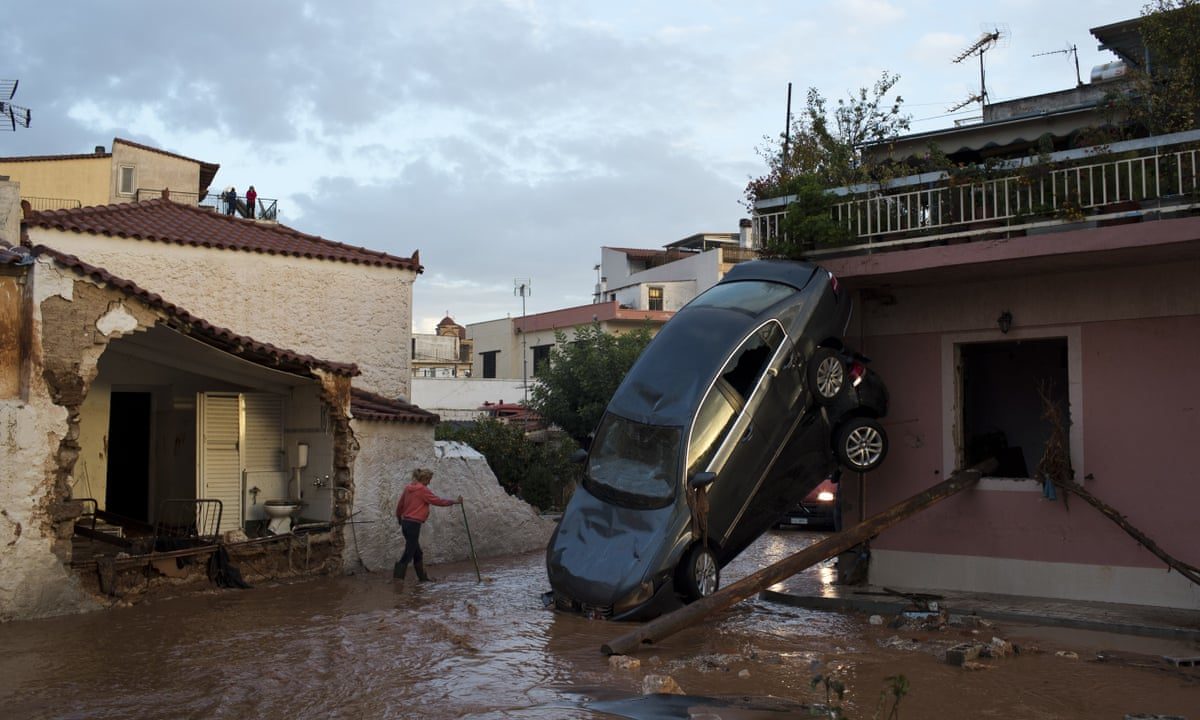
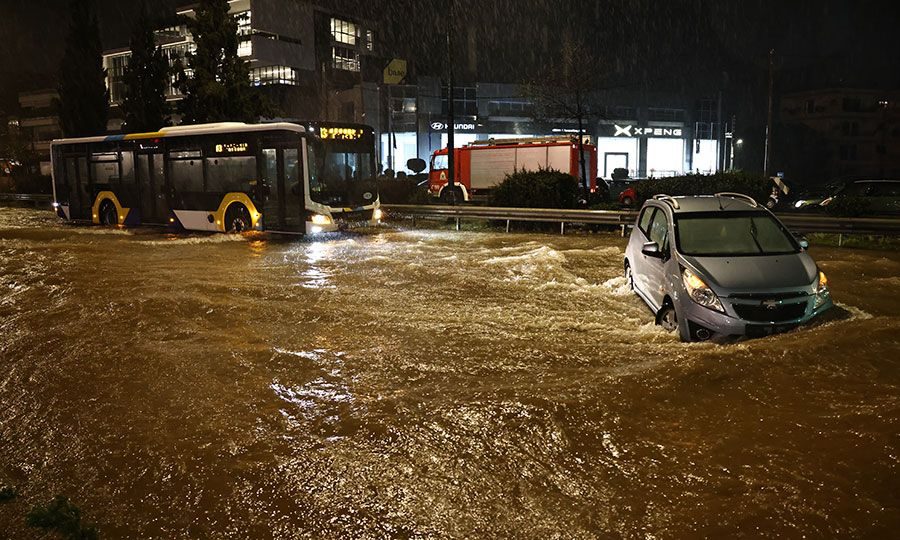
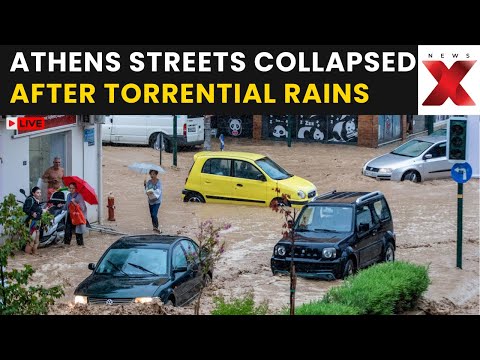
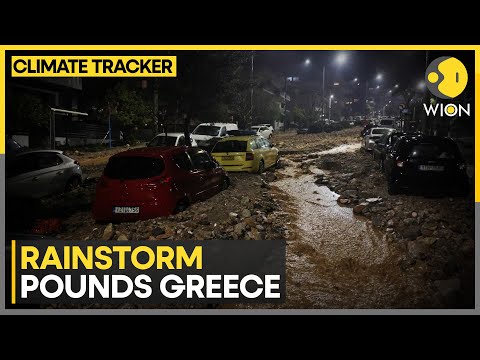
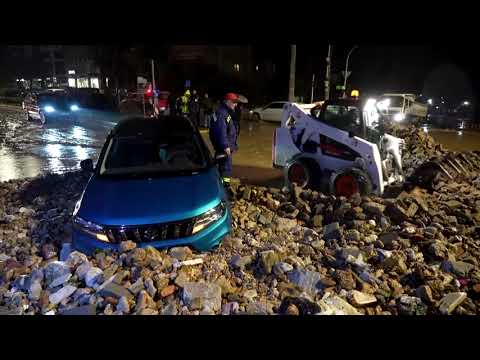
A coastguard officer died trying to warn fishermen of incoming waves. Hours later, a woman was swept under a car by floodwaters in an Athens suburb. The January 22 storm dumped 170mm of rain on the Greek capital—about 40% of its annual total—in a single day, turning streets into rivers and overwhelming drainage systems that critics have called inadequate for decades.

Greece created the world's first climate crisis ministry in 2021 and has cut emissions 45% since 2005. But the country's flood infrastructure remains largely unchanged from before the 2017 Mandra floods that killed 24 people. Each major storm reveals the same pattern: extreme rainfall meets undersized drains, channelized streams, and construction in flood-prone areas.

Key Indicators

170mm
Rainfall in Athens
About 40% of Athens' annual rainfall fell in a single day
600+
Emergency Calls
Fire brigade responded to evacuations, fallen trees, and water pumping
€2.1B
Planned Infrastructure
EYDAP investment plan includes new drainage along Vouliagmeni Avenue
52
Athens Floods Since 1880
Documented flood events in the Athens basin, causing 182 deaths

Interactive

Exploring all sides of a story is often best achieved with Play.

Ever wondered what historical figures would say about today's headlines?

Sign up to generate historical perspectives on this story.

Sign Up

Debate Arena

Two rounds, two personas, one winner. You set the crossfire.

People Involved

Konstantinos (Kostas) Lagouvardos
Research Director, National Observatory of Athens (Active expert on Greek weather systems)
Kyriakos Mitsotakis
Kyriakos Mitsotakis
Prime Minister of Greece (Serving since 2019)

Organizations Involved

Ministry for Climate Crisis and Civil Protection
Government Ministry
Status: Primary agency for disaster response

The world's first ministry dedicated to climate crisis response, combining military, police, fire, ambulance, forest services, and Coast Guard.

National Observatory of Athens
Research Institution
Status: Primary source for weather data and forecasts

Greece's oldest research institution, operating the national weather monitoring network and meteo.gr forecasting platform.

EYDAP (Athens Water Supply and Sewerage Company)
Public Utility
Status: Advancing major drainage infrastructure plan

Athens' water and sewerage utility, responsible for the stormwater drainage network that repeatedly fails during heavy rainfall.

Timeline

  1. Coastguard Officer Dies at Astros Port

    Fatality

    A 53-year-old coastguard officer was swept away by a wave while warning fishermen to leave the harbor in Astros, Peloponnese. He sustained fatal head injuries.

  2. Woman Killed by Floodwaters in Glyfada

    Fatality

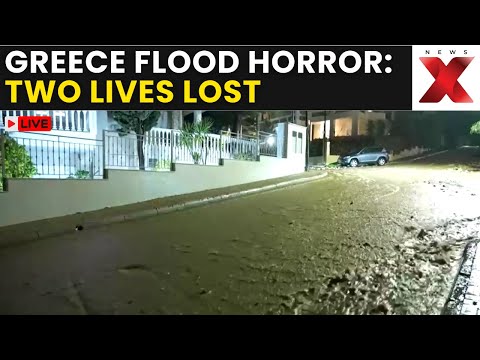
    A 56-year-old woman was swept under a vehicle by floodwaters on Kyrillou Methodiou Street in Ano Glyfada while walking. Firefighters recovered her unconscious; she was pronounced dead.

  3. 170mm Rain Recorded in Athens

    Measurement

    National Observatory recorded up to 174mm in Papagou, with the eight highest rainfall totals all in Attica. Research director called it 'about 40% of annual Athens rainfall.'

  4. Glyfada Begins Damage Assessment

    Response

    Municipality of Glyfada invited residents to submit damage declarations for property affected by flooding on January 21, beginning the formal damage assessment process.

  5. Prime Minister Cancels Davos Trip

    Response

    Kyriakos Mitsotakis postponed his trip to the World Economic Forum in Davos to oversee emergency response to severe weather and flooding across Greece.

  6. Schools Closed in Attica Ahead of Storm

    Precaution

    Authorities closed schools and warned of 'extremely dangerous rainfall' across seven areas in Attica region.

  7. Red Alert Issued for Greece

    Warning

    Meteorological authorities issued red alert warnings for heavy rains, storms, and winds up to 8-9 Beaufort, along with Sahara dust.

  8. Study Links Greek Storms to Climate Change

    Research

    ClimaMeter researchers found storms hitting Greece are now up to 15% wetter than in the past due to human-driven climate change, and up to 10 times more likely.

  9. Storm Daniel Devastates Thessaly

    Disaster

    Storm Daniel dumped up to 1,096mm of rain on central Greece, causing floods that killed 17, destroyed crops across 820 km², and caused over €2 billion in damage. The EU pledged €2 billion for reconstruction.

  10. Greece Creates Climate Crisis Ministry

    Policy

    Following record wildfires, Greece established the world's first ministry dedicated to climate crisis response, consolidating emergency services under one agency.

  11. Mandra Floods Kill 24

    Disaster

    Flash floods in West Attica killed 24 people, mostly in the town of Mandra. Investigation found streams had been paved over and drainage pipes were undersized or never built.

Scenarios

1

Infrastructure Upgrades Proceed, Floods Persist

Discussed by: Greek urban planning critics, EU climate adaptation reports

EYDAP completes the €2.1 billion drainage investment over several years, but construction continues in flood-prone areas and the core problem—streams converted to roads, undersized pipes, dense urbanization—remains unaddressed. Each major storm causes damage and occasional deaths, prompting familiar cycles of mourning and promises.

2

Major Reform After Catastrophic Event

Discussed by: Climate adaptation researchers, European Commission

A storm significantly worse than January 2026 causes mass casualties in Athens, forcing a comprehensive overhaul of urban drainage, building codes in floodplains, and stream restoration. The EU infringement proceedings for inadequate flood preparedness gain political traction, unlocking enforcement mechanisms.

3

Nature-Based Solutions Gain Ground

Discussed by: European Investment Bank, Thessaly regional authorities, climate scientists

Following the Storm Daniel model, Greece shifts from concrete-based flood control to nature-based solutions: restoring riverbanks, reconnecting floodplains, planting vegetation to slow runoff. The approach, already under consideration in Thessaly, expands to Attica. Requires accepting that some areas cannot be developed.

Historical Context

Mandra Floods (2017)

November 2017

What Happened

Heavy rainfall from Cyclone Numa dumped 280mm on West Attica in 13 hours. Flash floods swept through Mandra, killing 24 people—mostly elderly residents trapped in basement homes. Cars were carried to the sea. Investigations found two main streams had been paved over for roads and private construction, while drainage pipes were either too small or never built.

Outcome

Short Term

1,064 buildings damaged in Mandra alone. Government promised infrastructure upgrades and stricter building enforcement.

Long Term

Key drainage projects remained incomplete years later due to budget constraints from Greece's debt crisis. The same infrastructure vulnerabilities persisted into subsequent floods.

Why It's Relevant Today

The January 2026 storm killed people in the same pattern—flooding in urban areas where drainage cannot handle extreme rainfall. The gap between crisis response (Greece excels) and infrastructure investment (Greece lags) remains unchanged.

Valencia DANA Floods (2024)

October 2024

What Happened

A year's worth of rain fell on Valencia in eight hours. Flash floods killed 237 people—one of Europe's deadliest natural disasters. The regional government delayed mobile alerts until areas were already underwater. Rivers 'reclaimed' floodplains that had been developed. The Japanese embassy, using the same weather data, had warned its citizens a day in advance.

Outcome

Short Term

Political crisis over warning delays. 15,000 displaced. Record economic losses expected.

Long Term

Spain faces reckoning over development in natural flood zones and the adequacy of its early warning systems. Climate attribution studies found warming made the event twice as likely and 12% more intense.

Why It's Relevant Today

Demonstrates how Mediterranean countries face similar challenges: rapid urbanization in flood-prone areas, drainage systems designed for historical rainfall patterns, and warning systems that work faster than governments act on them. Greece's 112 system is better than Valencia's was, but infrastructure gaps are comparable.

Storm Daniel (2023)

September 2023

What Happened

The deadliest Mediterranean tropical-like cyclone in recorded history struck Greece, dumping up to 1,096mm of rain on Thessaly over five days. The agricultural heartland flooded across 1,150 km², destroying 30% of central Greece's cotton crop and killing over 35,000 livestock. Seventeen people died. The EU pledged €2 billion for reconstruction.

Outcome

Short Term

Greece's agricultural breadbasket devastated. 25% of Thessaly's primary sector output lost. Over €2 billion in damage—the costliest storm in Greek history.

Long Term

Prompted regional authorities to consider nature-based flood solutions instead of concrete infrastructure. Scientists classified it as a 1-in-200-year event, raising questions about whether 'historical' probability estimates remain valid under climate change.

Why It's Relevant Today

Showed Greece's vulnerability to extreme rainfall extends beyond Athens. The January 2026 storm was smaller but hit the densely urbanized capital, where drainage infrastructure has not been upgraded despite decades of documented failures.

14 Sources: