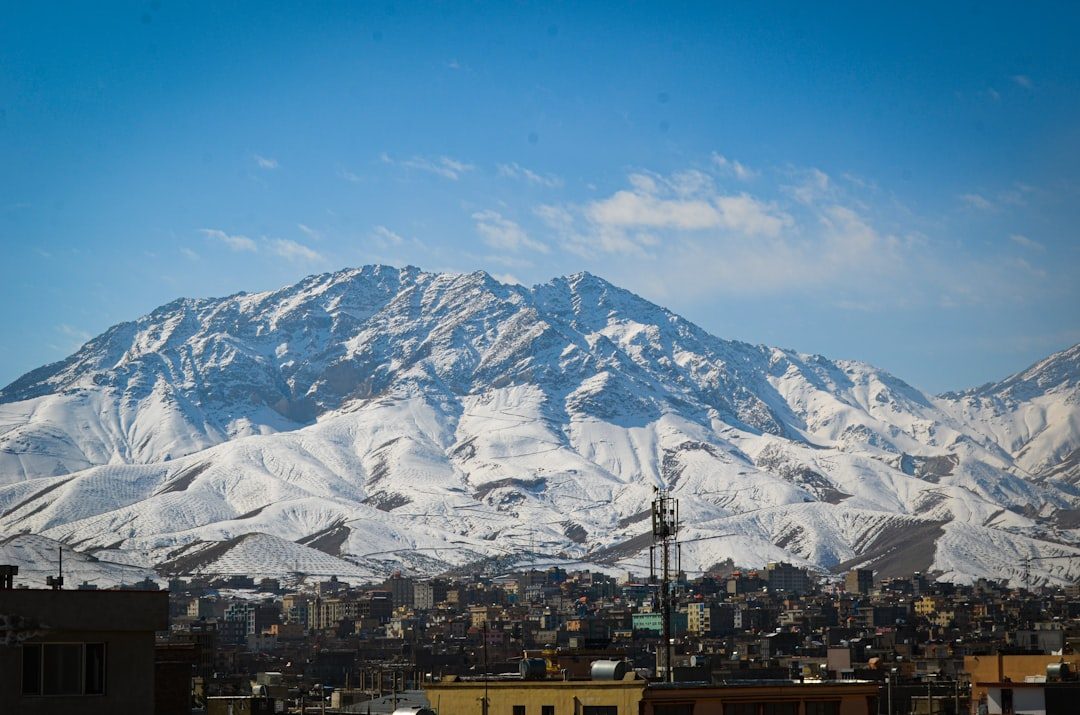
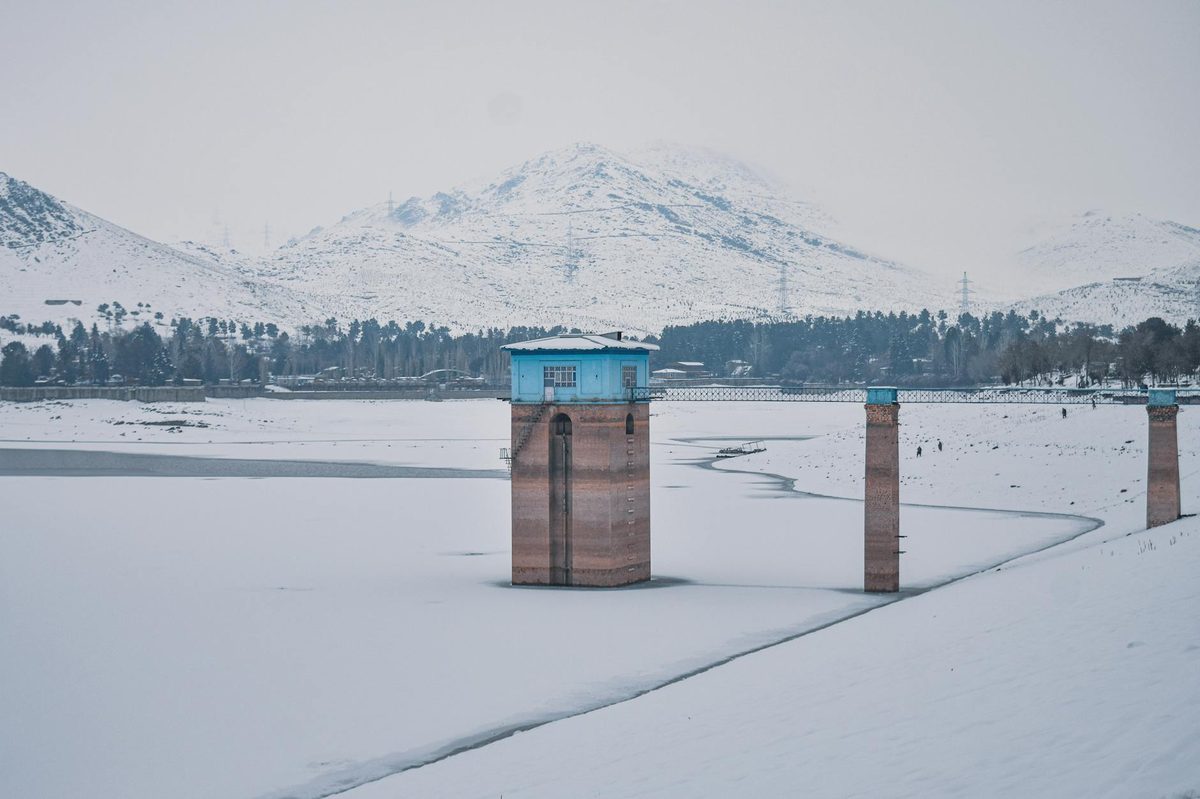
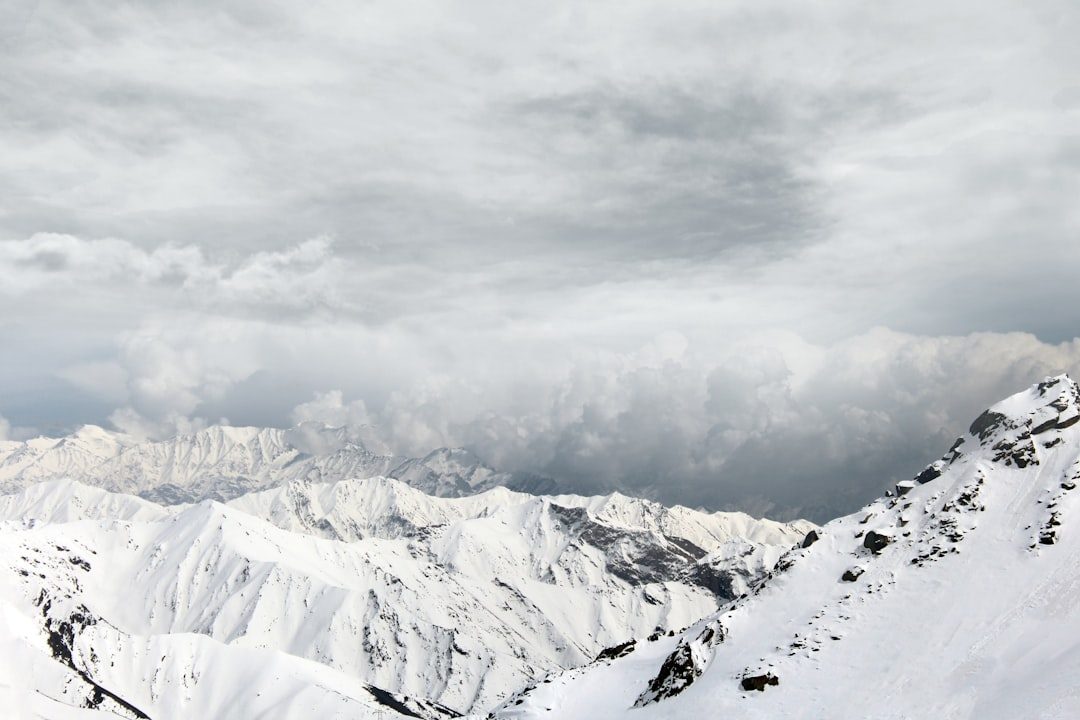
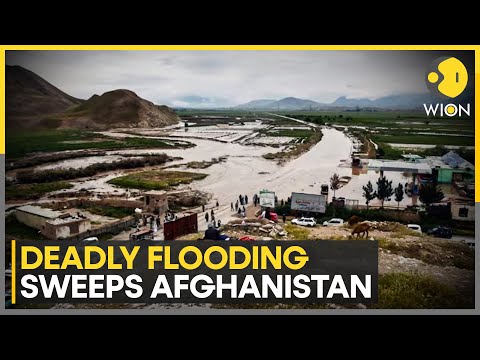
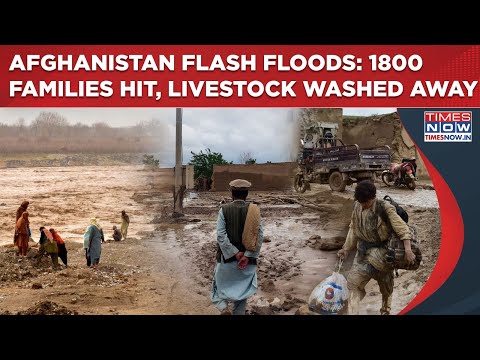
Heavy snow and rainfall killed at least 61 people across Afghanistan between January 22-24, 2026, with 110 injured and 458 homes destroyed across 15 of the country's 34 provinces. Earlier that month, flash floods triggered by the season's first heavy rains killed at least 17 people on January 2, destroying over 1,800 homes in western provinces.
The Salang highway, which connects Kabul to northern provinces, remains closed to heavy vehicles under meters of snow. Power outages continue across Kabul and 10 provinces after avalanches destroyed a 220-kilovolt transmission tower importing electricity from Uzbekistan.
The storms strike as Afghanistan faces what the United Nations calls 'one of the world's largest humanitarian crises.' A $1.71 billion UN appeal aims to assist 17.5 million people in 2026, but follows deep cuts to international aid—including the suspension of $1.8 billion in US assistance. With winter food distributions largely suspended and 303 nutrition centers closed for lack of funding, the country's 45 million residents face compounding disasters as international aid shrinks.
Questions about this story
Free account needed to ask — your question is kept and asked for you right after sign-up. Answers are public.
No questions yet — be the first to ask.
Key Indicators
61
Deaths confirmed
Fatalities across 15 provinces from three days of storms, January 22-24
458
Homes destroyed
Residences completely or partially destroyed by heavy snow and rain
4m
Snow depth at Salang Pass
Accumulation blocking Afghanistan's main north-south highway
$1.71B
2026 UN humanitarian appeal
Funding requested to assist 17.5 million Afghans, down 29% from 2025
17 events
Latest: February 4th, 2026 · 8 months ago
Showing 8 of 17
JK to step
Tap a bar to jump to that date
Jump to
February 2026
Taliban warns of heavy snow and flash floods across 20 provinces
LatestNatural Disaster
Ministry of Transport and Aviation forecasts heavy snowfall (10-40mm), rain, thunderstorms, and flash floods across 20 provinces including Salang Pass, with strong winds reaching 50-75 km/h. Warning issued for February 5-6.
January 2026
Afghanistan Embassy in Tokyo suspends operations
Diplomatic
Embassy formally closes under outgoing ambassador Shaida Mohammad Abdali, who stated he was leaving 'with a heavy heart.' The mission will not be transferred to Taliban-appointed diplomats.
Afghanistan Embassy in Australia announces June closure
Diplomatic
Embassy announces it will cease operations after June 30, 2026. Australia's Department of Foreign Affairs confirms mission will not be handed to Taliban, citing systematic human rights violations.
UN and ADB launch $100 million food security program
Humanitarian
Food and Agriculture Organization and Asian Development Bank announce two-year initiative to support 151,000 families, including Afghan returnees from Iran and Pakistan and those affected by earthquakes and floods.
Salang Pass partially reopens to passenger vehicles
Infrastructure
One traffic lane cleared for light vehicles after snow-clearing operations by Salang Maintenance and Protection Department, though highway remains closed to heavy vehicles.
Power outage continues across Kabul and 10 provinces
Infrastructure
Electricity from Uzbekistan remains cut after 220-kilovolt transmission tower destroyed by avalanche in Salang area. Alternative sources provide partial power through Pul-e-Khumri line, hydropower, and thermal plants.
Death toll reaches 61 across 15 provinces
Natural Disaster
ANDMA confirms 61 deaths and 110 injuries from three days of heavy snow and rain, with 458 homes destroyed and rescue operations hampered by blocked roads.
Power outages spread across 12 provinces
Infrastructure
Storm damage to transmission line importing electricity from Uzbekistan leaves nearly a dozen provinces without power.
Salang Pass avalanche kills 2, injures 12
Natural Disaster
Avalanche strikes roadside hotel and nearby shops along Salang Pass during evening hours, adding to casualties from broader winter storm impacts.
Heavy snowfall blocks major highways
Natural Disaster
Severe winter storms begin hitting central and northern Afghanistan, closing Salang Pass and multiple regional roads under meters of snow.
Flash floods kill 17 across western provinces
Natural Disaster
Season's first heavy rains end prolonged dry spell but trigger flash floods killing at least 17 people, injuring 11, and destroying over 1,800 homes in Herat, Badghis, and Faryab provinces. Five family members, including two children, killed when roof collapsed in Herat's Kabkan district.
December 2025
UN launches scaled-back 2026 appeal
Humanitarian
UN and partners launch $1.71 billion appeal for 2026, targeting 17.5 million people—down 29% from 2025 requirements despite growing needs.
November 2025
Northern earthquake damages Blue Mosque
Natural Disaster
A magnitude 6.3 earthquake near Mazar-i-Sharif kills 27 people and damages the Shrine of Hazrat Ali, one of Afghanistan's most significant religious sites.
August 2025
Kunar earthquake kills 2,200
Natural Disaster
A magnitude 6.0 earthquake strikes eastern Afghanistan near the Pakistan border, becoming the deadliest earthquake to hit the country since 1998.
April 2025
US suspends aid to Afghanistan
Policy
United States suspends approximately $1.8 billion in humanitarian assistance to Afghanistan, dramatically reducing available resources for disaster response.
May 2024
Flash floods kill over 300 in northern provinces
Natural Disaster
Unprecedented rainfall triggers flash floods in Baghlan, Badakhshan, and Takhar provinces, killing more than 300 people and displacing over 5,000 families.
October 2023
Herat earthquakes kill over 1,400
Natural Disaster
Series of magnitude 6.3 earthquakes devastate western Afghanistan, destroying 21,500 homes and affecting 43,400 people in Herat province.
Scenarios
1
Death Toll Rises as Rescue Teams Reach Remote Areas
Likely
Discussed by: ANDMA officials, humanitarian agencies citing preliminary figures
Current casualty figures are described as preliminary, with assessment teams still unable to reach remote mountainous villages where roads remain blocked by snow. As weather clears and rescue operations expand, the death toll could increase substantially, particularly in areas with mud-brick housing that offers limited protection against heavy snowfall.
2
Humanitarian Crisis Deepens Without Emergency Funding
Possible
Discussed by: UN OCHA, humanitarian NGOs warning of funding gaps
With winter food distributions largely suspended and nutrition centers closed, the storm damage compounds an existing crisis. If international donors do not restore emergency funding, the combination of displacement from storms, suspended aid programs, and continued cold weather could lead to preventable deaths from malnutrition and exposure, particularly among children.
3
Infrastructure Restored, Crisis Contained
Uncertain
Discussed by: Afghan government officials describing snow-clearing operations
If weather clears and authorities can reopen the Salang highway and restore power transmission from Uzbekistan, the immediate crisis could stabilize. Historical patterns show Afghanistan can recover from individual weather events when infrastructure is restored. However, this outcome depends on factors beyond government control, including weather conditions and available resources.
Historical Context
3 moments from history that rhyme with this story — and how they unfolded.
1 of 3
February 2015
2015 Afghanistan Avalanches
Following an unusually dry, mild winter, six feet of snow fell in 48 hours across Afghanistan. Avalanches killed 268 people—198 in Panjshir province alone—making it the worst avalanche disaster to affect Afghanistan in over 30 years. Roads connecting 20 valleys were blocked, with 8,827 families affected across 24 provinces.
Then
International humanitarian response mobilized, but access to remote areas remained limited for weeks.
Now
The disaster highlighted chronic vulnerabilities: nine provinces classified as high avalanche risk, limited early warning systems, and mud-brick construction that collapses under heavy snow.
Why this matters now
The 2026 storms follow the same pattern—sudden heavy snowfall, blocked mountain roads, and casualties concentrated in remote areas with limited rescue capacity. The key difference: in 2015, international aid organizations had full access and funding; in 2026, both are severely constrained.
2 of 3
May 2024
2024 Baghlan Flash Floods
Unprecedented rainfall triggered flash floods in northeastern Afghanistan, killing over 300 people—more than half in Baghlan province. The floods destroyed 7,800 homes, displaced 5,000 families, and killed 4,260 livestock. Entire irrigation systems were washed away.
Then
The World Food Programme distributed emergency food and cash assistance; WHO delivered 7 metric tonnes of medical supplies. However, responders faced gaps in water treatment, livestock disposal, and medical supplies.
Now
WFP warned that erratic weather from the climate crisis was 'becoming the norm,' with floods likely to intensify food insecurity in already vulnerable districts.
Why this matters now
The May 2024 floods demonstrated that even with international response mechanisms still functioning, Afghanistan's disaster management capacity was overwhelmed. The January 2026 storms test that system when funding has been cut by over a billion dollars.
3 of 3
October 2023
2023 Herat Earthquakes
Four magnitude 6.3 earthquakes struck Herat province over three weeks, killing nearly 1,500 people and destroying 21,500 homes. In Zindajan district—the epicenter—100% of homes were destroyed. The UN estimated $402.9 million was needed for recovery, with housing accounting for 41% of needs.
Then
Herat became a 'tent city' as survivors sheltered in parks. Humanitarian partners reached 7,300 households with $1.9 million in cash assistance.
Now
Recovery remained incomplete; by January 2024, nearly 100,000 children still needed humanitarian aid. Those displaced by the earthquakes now face the January 2026 storms without permanent shelter.
Why this matters now
The population displaced by the 2023 earthquakes and still lacking permanent housing represents one of the groups most vulnerable to the 2026 winter storms. Their continued exposure illustrates how Afghanistan's disasters compound rather than replace each other.