
Pull to refresh
Logo
Auditors find ICE paid for empty beds and bought warehouses above assessed value

Auditors find ICE paid for empty beds and bought warehouses above assessed value

Money Moves

The Government Accountability Office says ICE spent about $1.07 billion on 11 warehouses it is now trying to sell, and paid roughly $13 million a month for unused detention beds.

Overview

Updated 1 hour ago

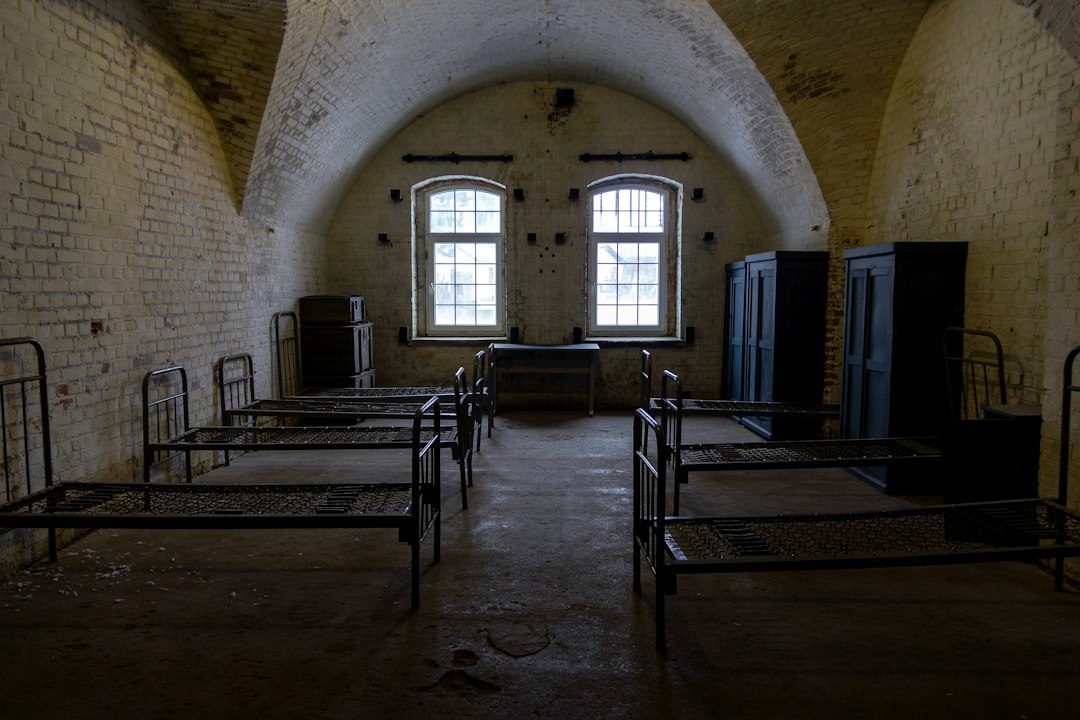
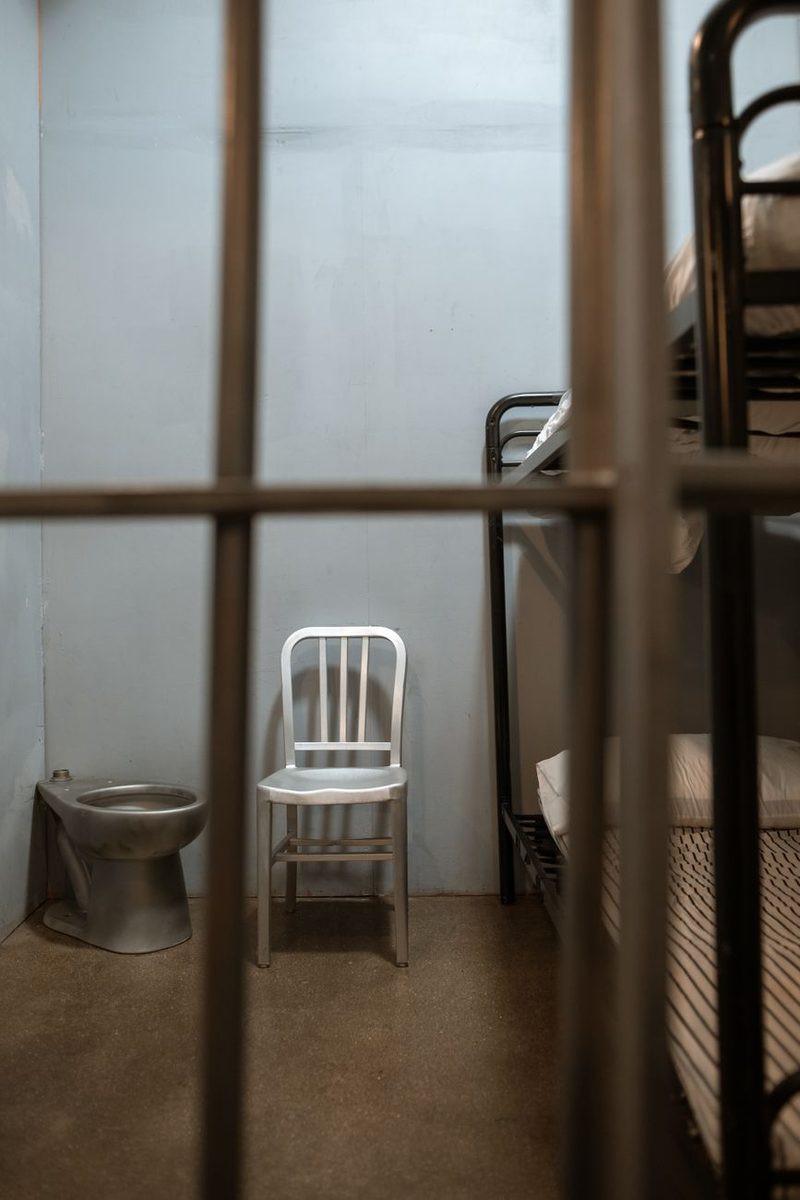
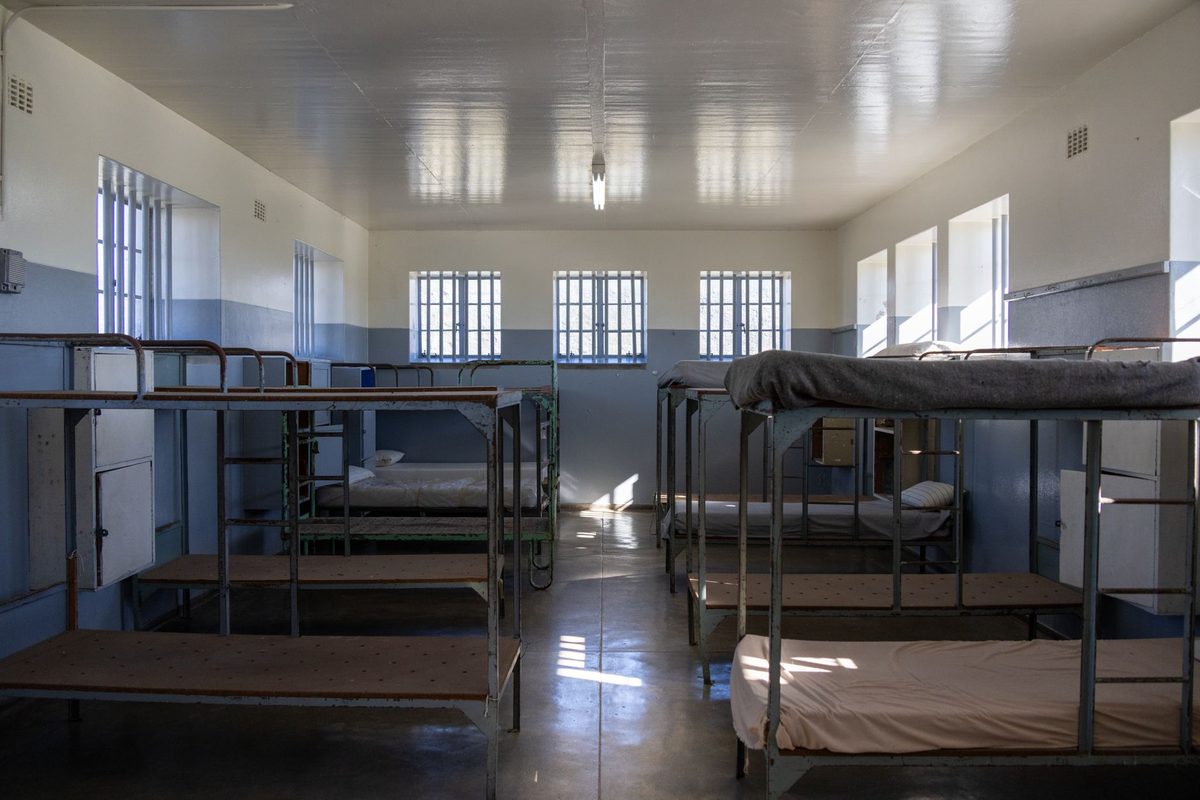
U.S. Immigration and Customs Enforcement (ICE) signed agreements to pay for 46,688 detention beds whether or not anyone used them. From October 2025 through April 2026, an average of 9,733 of those beds sat empty each day. At four facilities GAO examined, the agency paid about $13 million a month for the unused space.

The same Government Accountability Office (GAO) report, released by Senate Democrats on November 19, found ICE spent about $1.07 billion buying 11 warehouses to convert into detention centers. Auditors say the agency paid at least 50% above assessed value for nine of them and at least double for seven, then paused the plan and put seven up for sale. The office that checks facility invoices is short-handed: 55 of 87 positions are vacant while the number of facilities has roughly doubled.

Why it matters

ICE has $45 billion for detention through 2029, and the audits suggest little of the spending is being checked against what it buys.

Questions about this story

Free account needed to ask — your question is kept and asked for you right after sign-up. Answers are public.

No questions yet — be the first to ask.

Key Indicators

$13M
Monthly cost of empty beds
GAO's estimate for four facilities from October 2025 to April 2026.
9,733
Empty beds per day
Average across 64 facilities where ICE pays whether or not beds are used.
$1.07B
Spent on 11 warehouses
Bought between January and March 2026 for conversion into detention centers.
7
Warehouses ICE plans to sell
Combined purchase price of about $707 million, which GAO says they must fetch to avoid further loss.
55
Vacant oversight posts
Of 87 jobs that validate facility invoices, as ICE's facility count roughly doubled.
$45B
Detention funding through 2029
Provided by the July 2025 One Big Beautiful Bill Act.

Voices

Curated perspectives — historical figures and your fellow readers.

Sign up to generate historical perspectives on this story.

People Involved

Organizations Involved

Timeline

July 2025 November 2026

7 events Latest: Today
Tap a bar to jump to that date
  1. GAO findings on empty beds and warehouse prices reported

    Today Report

    Auditors say ICE paid $13 million a month for unused beds and overpaid for warehouses.

  2. Senate Democrats release GAO report

    Oversight

    Durbin publicizes findings on warehouses, empty beds and the spending plan.

  3. Inspector general faults detention contracting

    Audit

    DHS watchdog finds gaps in planning and oversight of contracts worth almost $10 billion.

  4. ICE buys four detention facilities

    Procurement

    The four existing facilities cost about $2.2 billion combined.

  5. ICE finishes buying 11 warehouses

    Procurement

    Total cost reaches about $1.07 billion, with nine bought above assessed value.

  6. DHS pauses warehouse plan

    Policy

    The initiative stalls after the Homeland Security secretary's departure, per NBC News.

  7. Congress approves $45 billion for detention

    Legislation

    The One Big Beautiful Bill Act gives ICE detention funding through 2029.

Scenarios

1

ICE sells the warehouses below what it paid

Likely Resolves by Q3 2027

Discussed by: GAO report authors and Senate Judiciary Democrats

GAO warns that six of the seven warehouses ICE wants to sell were bought for at least twice their assessed value, which makes sales at the purchase price unlikely. Selling below cost books the difference as a loss. GAO says the seven must fetch about $707 million in total to avoid further waste.

2

DHS adopts the GAO recommendations and rewrites the spending plan

Possible Resolves by Q1 2027

Discussed by: GAO, which made both recommendations, and DHS, which concurred with them

GAO found ICE's plan still projected about $38 billion in fiscal 2026 obligations in June, when $9.1 billion had been obligated by July. DHS agreed to keep the plan current and to estimate full life-cycle costs before further purchases. A revised plan published before the next buying round would be the first sign the recommendations changed anything.

3

ICE keeps buying detention space despite the audits

Possible Resolves by Q2 2027

Discussed by: GAO, which noted ICE is weighing up to seven more facility purchases with no timeline or cost estimates

The audits do not block purchases. ICE told GAO it does not expect the four facilities bought in July and August 2026 to save money, because the goal is to keep operating where states resist. Another purchase announcement would show the findings changed the paperwork, not the strategy.

Historical Context

3 moments from history that rhyme with this story — and how they unfolded.

2006-2011

SBInet, the 'virtual fence' (2006-2011)

The Department of Homeland Security hired Boeing to build a networked camera-and-radar surveillance system along the Arizona-Mexico border. Costs climbed and deadlines slipped as the system failed field tests.

Then

DHS cancelled the program in January 2011 after spending roughly $1 billion.

Now

It became a standard example in congressional hearings of border technology bought before it worked.

Why this matters now

Same pattern as the warehouses: a large purchase approved quickly, with cost and feasibility questions answered afterward.

2014

Family detention expansion in Texas (2014)

Facing a surge of Central American families, ICE opened large family detention centers in Karnes County and Dilley within months.

Then

Thousands of family beds came online quickly.

Now

The facilities drew lawsuits over conditions and licensing and shaped family detention policy for years.

Why this matters now

Shows ICE's habit of standing up capacity fast and settling the legal and operating costs later.

2005-2006

Post-Katrina emergency contracting (2005-2006)

After Hurricane Katrina, FEMA awarded billions of dollars in contracts, many without competitive bidding, for temporary housing, debris removal and supplies.

Then

GAO and inspectors general documented overcharges and wasted spending.

Now

The episode fed a push for public spending data, including the 2006 law that created USAspending.gov.

Why this matters now

Precedent for what happens when urgency outruns procurement checks.

Sources

(8)