Pull to refresh
Logo
Daily Brief
Following
Why Ranks Sign Up
DHS expands biometric surveillance infrastructure

DHS expands biometric surveillance infrastructure

New Capabilities

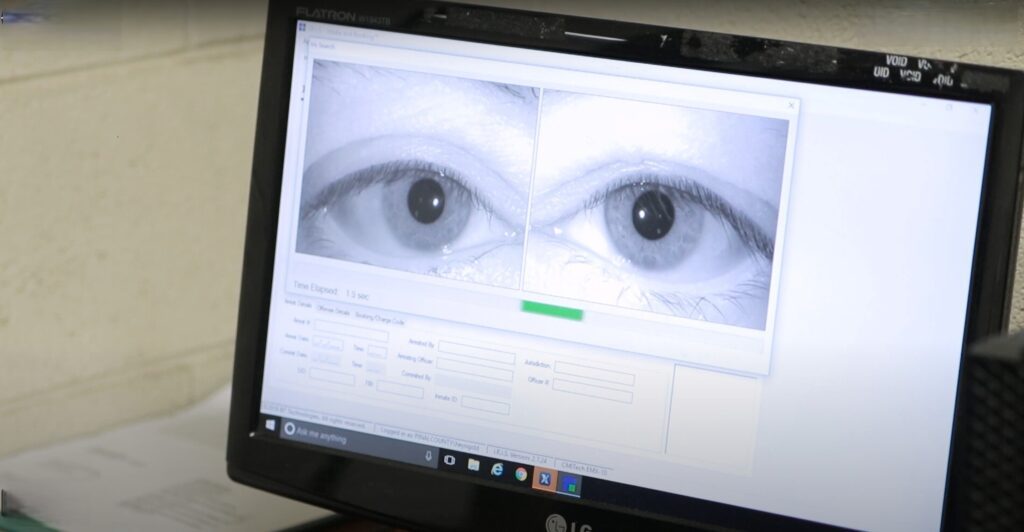
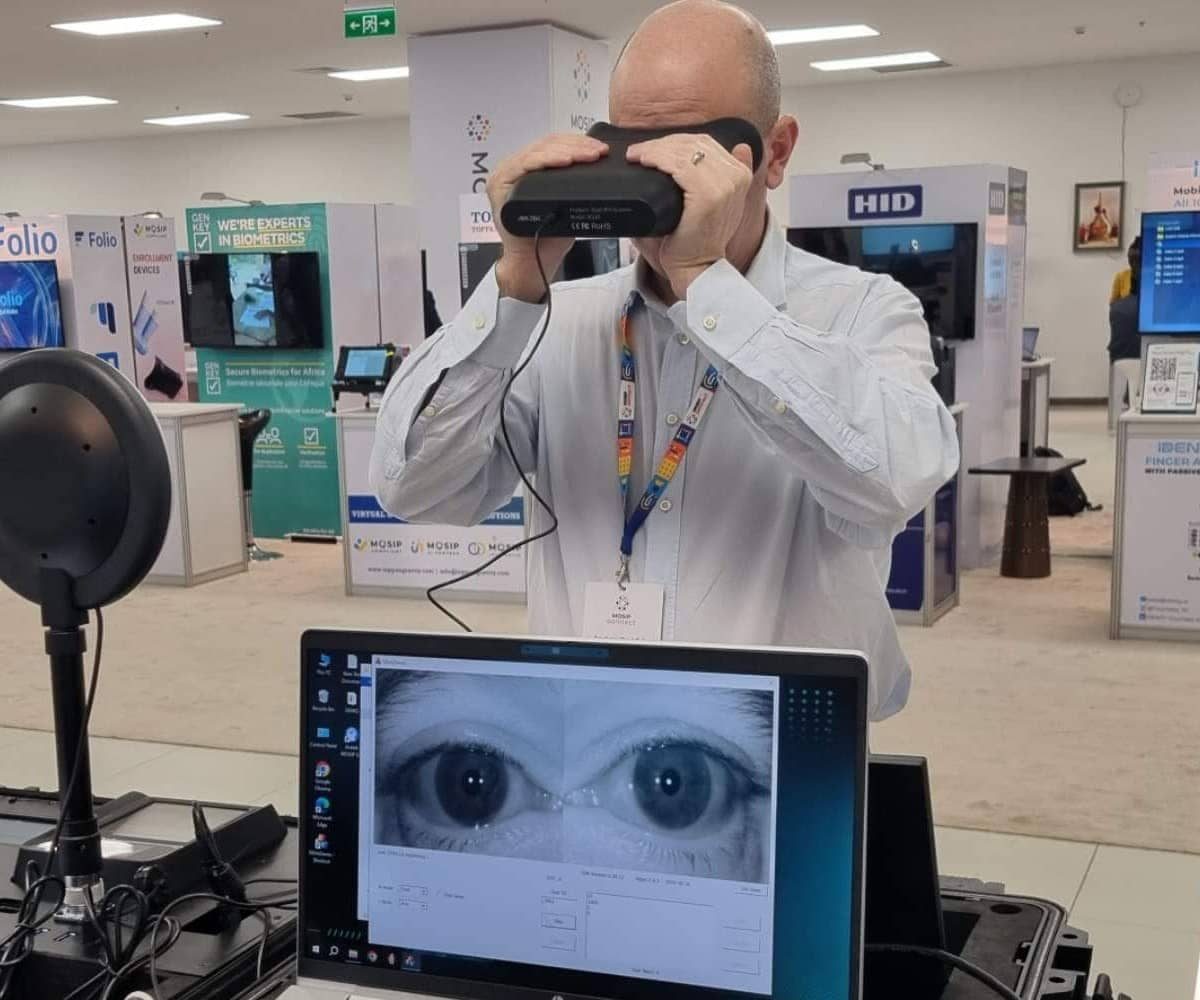
ICE buys 1,570 iris scanners and database access in a $25 million no-bid contract

Today: NPR reports nationwide iris-scanner deployment

Overview

On May 22, ICE awarded a $25.1 million no-bid contract to Plymouth, Massachusetts firm BI2 Technologies for iris-scanning hardware and continuous access to a database of more than five million booking records. The award is roughly five times the size of the $4.5 million contract ICE signed with the same vendor eight months earlier.

The deal puts more than 1,500 iris scanners in the hands of Enforcement and Removal Operations officers and links those devices to a national iris database already used by sheriffs in 47 states. The procurement documents describe no FedRAMP security review, no independent audit, and no congressional notification before deployment.

Why it matters

Federal officers can now identify a person on the street by their eyes in seconds, with no warrant and no outside audit of how the data is used.

Key Indicators

$25.1M
No-bid contract awarded May 22
Sole-source award to BI2 Technologies via SAM.gov.
5x
Size vs. prior ICE contract
The September 2025 deal with BI2 was $4.5 million.
1,570
Iris scanners requested
Devices going to ICE's Enforcement and Removal Operations division.
5M+
Booking records ICE can query
BI2's national iris database, fed by sheriffs and jails.
47
States already using BI2 iris tools
Existing footprint among state and local law enforcement.
0
Independent audits required
No FedRAMP review, no IG approval, no congressional notification in the contract.

Voices

Curated perspectives — historical figures and your fellow readers.

Ever wondered what historical figures would say about today's headlines?

Sign up to generate historical perspectives on this story.

Play

Exploring all sides of a story is often best achieved with Play.

Log in to play. Track your picks, climb the leaderboards. Log in Sign Up
Predict 4 ways this could play out. Contrarian picks score more — points lock when the scenario resolves. Log in to play
Higher or Lower Two numbers from this story. Guess which is bigger. 5 rounds to set a streak. Log in to play
Connections Sixteen names from the news. Find the four hidden groups of four. Log in to play

People Involved

Organizations Involved

Timeline

January 2006 May 2026

9 events Latest: Today
Tap a bar to jump to that date
  1. NPR reports nationwide iris-scanner deployment

    Today Disclosure

    Public reporting details the 1,570-device order and the lack of independent oversight.

  2. ICE awards $25.1 million sole-source contract to BI2

    Procurement

    Award posted to SAM.gov. Covers iris scanners and database access for ERO officers.

  3. DHS Inspector General opens biometric audit

    Oversight

    IG begins review of ICE biometric collection, storage, and sharing practices.

  4. Boston Globe reports ICE surveillance buildout

    Disclosure

    First detailed reporting on the $4.5 million BI2 deal and ICE's biometric stack.

  5. ICE signs first iris-scanning contract with BI2

    Procurement

    $4.5 million deal gives ICE officers smartphone-based iris recognition in the field.

  6. DHS launches HART biometric program

    Infrastructure

    Department starts a cloud biometric repository projected to cost more than $6 billion.

  7. BI2 Technologies founded

    Origin

    Plymouth, Massachusetts firm builds the IRIS jail-intake system for county sheriffs.

Historical Context

3 moments from history that rhyme with this story — and how they unfolded.

September 2014

FBI Next Generation Identification rollout (2014)

The FBI declared its Next Generation Identification system fully operational, adding facial recognition, palm prints, and iris matching to the bureau's fingerprint database. The system was built with limited public comment and a privacy impact assessment that civil liberties groups called insufficient.

Then

NGI absorbed tens of millions of criminal and civil records within two years.

Now

It became the federal backbone for biometric matching that local police query daily, and the template for later DHS efforts including HART.

Why this matters now

Like the BI2 contract, NGI moved a corrections and booking technology into wider use without an enforceable external audit, and its scope expanded faster than oversight bodies tracked.

2009 to 2014

TSA Secure Flight and the no-fly list (2009)

TSA took over passenger watchlist matching from airlines under Secure Flight. The program grew from a few thousand names to more than a million records, with no judicial review of placements and a redress process the Ninth Circuit later called inadequate.

Then

Travelers had no clear way to learn why they were flagged or to get off the list.

Now

Latif v. Holder forced the government in 2015 to give listed U.S. persons notice and a chance to respond, more than a decade after the system began.

Why this matters now

Secure Flight shows the pattern of a federal identity system going live before due-process safeguards exist, with the courts arriving years later. The iris program is on a similar timeline.

June 2013 to June 2015

NSA bulk metadata disclosure and USA Freedom Act (2013 to 2015)

Edward Snowden disclosed that the NSA was collecting bulk telephone metadata under Section 215 of the Patriot Act. Congress responded two years later with the USA Freedom Act, which ended bulk collection but preserved targeted access through carriers.

Then

A public fight over the legality of bulk surveillance, with the Second Circuit ruling the program unlawful in May 2015.

Now

Bulk collection ended, but the underlying authorities and many adjacent programs continued under new rules.

Why this matters now

The NSA episode is the closest recent example of a domestic federal surveillance buildout that ran for years before Congress imposed limits, and the limits left most of the architecture intact.

Sources

(10)