
Pull to refresh
Logo
Feds agree to pull ICE vehicles from city-owned San Francisco garage

Feds agree to pull ICE vehicles from city-owned San Francisco garage

Rule Changes San Francisco, CA local

The General Services Administration is giving up 147 parking spaces at Golden Gateway Garage and aims to move its vehicles by Monday, Nov. 23.

Overview

Updated 1 hour ago

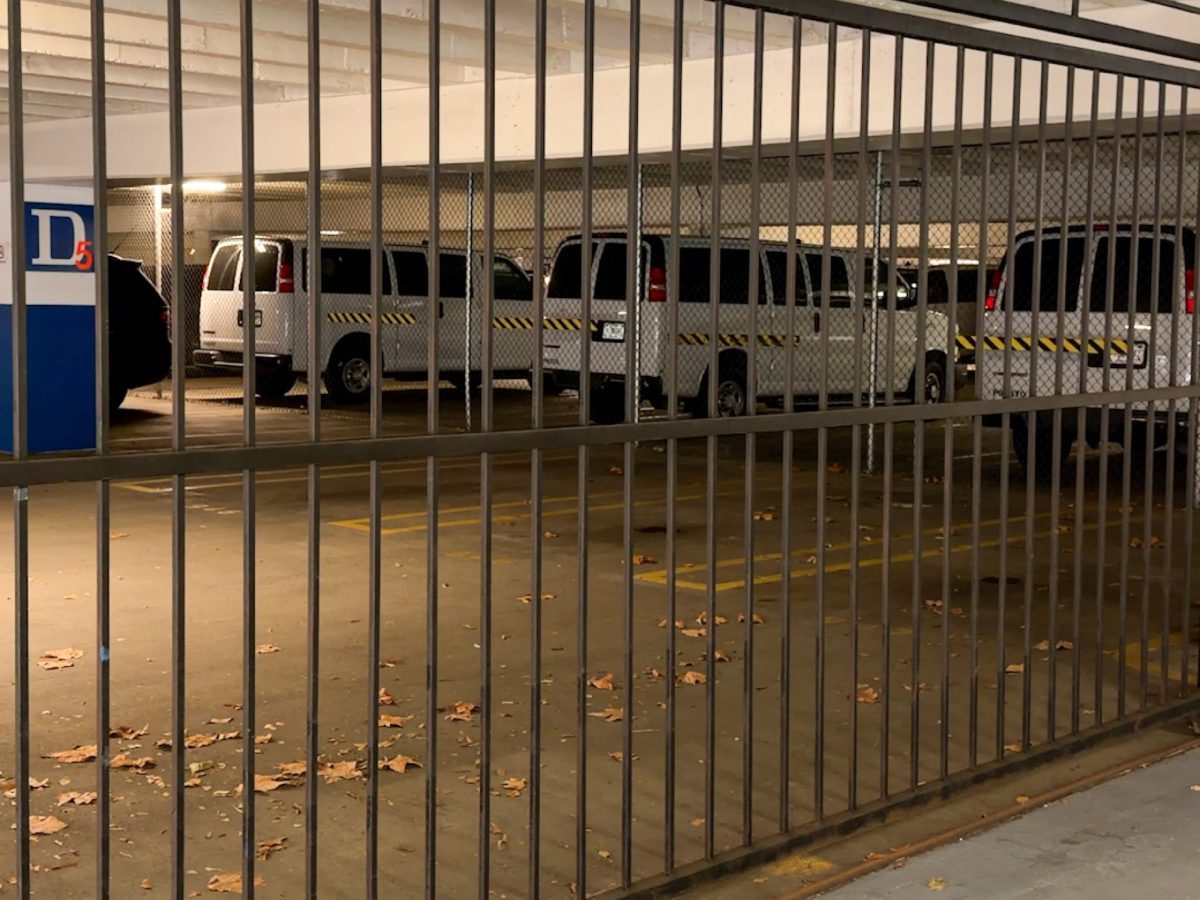
The federal government will move Immigration and Customs Enforcement (ICE) vehicles out of a city-owned San Francisco parking garage by Monday, Nov. 23, and give up the 147 spaces it has held there. The concession came in an email Friday from a General Services Administration (GSA) official to the city agency that owns the building.

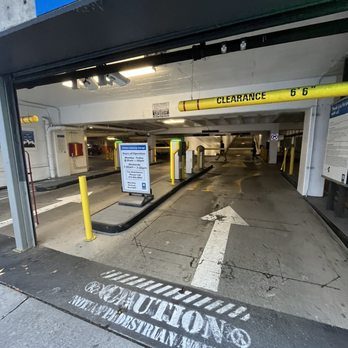
The garage at 250 Clay St. is owned by the San Francisco Municipal Transportation Agency (SFMTA) and run by a private contractor, IMCO Parking, which sublet spaces to the GSA, which assigned them to ICE. San Francisco's sanctuary laws bar city property from being used to support federal immigration enforcement, and the garage sits blocks from ICE's Sansome Street field office.

What remains open is who at the SFMTA signed off on the sublease, and whether the city investigates. Mayor Daniel Lurie said the arrangement should never have happened. Supervisor Bilal Mahmood wants a list of every city contract that could hide a similar one.

Why it matters

Sanctuary laws are only as strong as the contracts a city signs, and federal leases can route around them quietly.

Last Monday's email for San Francisco, CA

Sent Nov 16. It carried:

Get next Monday's: one short email a week. Free. Unsubscribe in one click.

Questions about this story

Free account needed to ask — your question is kept and asked for you right after sign-up. Answers are public.

No questions yet — be the first to ask.

Key Indicators

147
Parking spaces surrendered
Spaces the GSA will forfeit at Golden Gateway Garage and re-lease elsewhere.
16
Minimum years federal vehicles used the garage
Contracts show federal immigration vehicles parked there for at least 16 years.
3
Days from agreement to target move date
The GSA emailed the city Friday and is targeting Monday, Nov. 23, to relocate.

Voices

Curated perspectives — historical figures and your fellow readers.

Sign up to generate historical perspectives on this story.

People Involved

Organizations Involved

Timeline

October 2026 November 2026

5 events Latest: Yesterday
Tap a bar to jump to that date
  1. Feds agree to leave the garage

    Latest Agreement

    GSA says it will forfeit 147 spaces and targets Monday, Nov. 23, to move the vehicles out.

  2. SFMTA tells feds to stop parking ICE vehicles

    Statement

    Director Julie Kirschbaum writes to the GSA saying she did not approve the arrangement and it conflicts with city law.

  3. Supervisor announces contract inquiry

    Oversight

    Bilal Mahmood says he will file a letter of inquiry seeking lists of city contractors and subcontractors.

Scenarios

1

ICE vehicles are gone from the garage by Nov. 23

Likely Resolves by Nov 30, 2026

Discussed by: The GSA's Nov. 20 email and SFMTA's reply, both reported by Mission Local

The GSA said it would move the vehicles to a new location before security gates and card readers are installed, pending confirmation from the new lessor. If that confirmation came through, the garage's barricaded section empties within days and the city's immediate complaint is resolved.

2

GSA signs a replacement lease and ICE keeps staging from a new Bay Area site

Likely Resolves by Jan 31, 2027

Discussed by: GSA's Jason Cawthorne, who described lease negotiations in progress

Removing the vehicles is an interim step. The GSA said it is finalizing pricing and installation of security gates and card readers at a different location, a process taking three to four weeks once a lease is signed. The practical effect would be to move the staging operation rather than end it.

3

City inquiry names the staff who approved the ICE parking arrangement

Possible Resolves by Q2 2027

Discussed by: Supervisor Bilal Mahmood and attorney Angela Chan, both calling for an accounting

Mahmood's letter of inquiry asks the SFMTA and the Recreation and Parks Department for contractor and subcontractor lists, and asks how departments are trained to vet contracts against sanctuary rules. If the agencies answer in detail, the question of who approved the sublease gets a public answer.

4

City attorney sues over the garage lease

Unlikely Resolves by Q2 2027

Discussed by: Mission Local, which noted the city attorney can sue to enforce sanctuary laws and has declined to comment

San Francisco's code lets the city attorney bring suit to enforce sanctuary rules, and the city could in principle go after the lease rather than just the vehicles. So far the office has said nothing, citing attorney-client privilege, and the mayor's office has deferred to the SFMTA.

Historical Context

2 moments from history that rhyme with this story — and how they unfolded.

January–April 2017

Santa Clara County v. Trump (2017)

An executive order directed that so-called sanctuary jurisdictions be denied federal grant money. Santa Clara County and San Francisco sued, arguing the order let the federal government attach conditions to funding Congress had already appropriated.

Then

A federal judge issued a preliminary injunction blocking the order nationwide, finding it likely unconstitutional.

Now

The case became the template for challenging federal leverage over local immigration policy, and it established how quickly courts would step in.

Why this matters now

San Francisco's current dispute is smaller and more transactional: a parking lease rather than a grant program. But the underlying question is the same one courts faced in 2017, which is how far the federal government can go in enlisting local resources for immigration enforcement.

March–July 2018

Justice Department sues California over sanctuary law (2018)

The Justice Department sued California over its statewide sanctuary law, which limited how local police could share information and hold detainees for federal immigration agents. Federal lawyers argued the statute interfered with federal enforcement.

Then

A federal judge struck down parts of the state package but upheld the core limits on sharing release dates and transferring detainees to federal custody.

Now

The ruling left states and cities room to refuse active assistance to federal immigration enforcement even as the federal government retained authority over immigration itself.

Why this matters now

The San Francisco garage sits on that boundary: the city cannot stop ICE from operating, but it can decline to provide the property. The Nov. 20 agreement is the city enforcing that line through a lease rather than a courtroom.

Sources

(2)