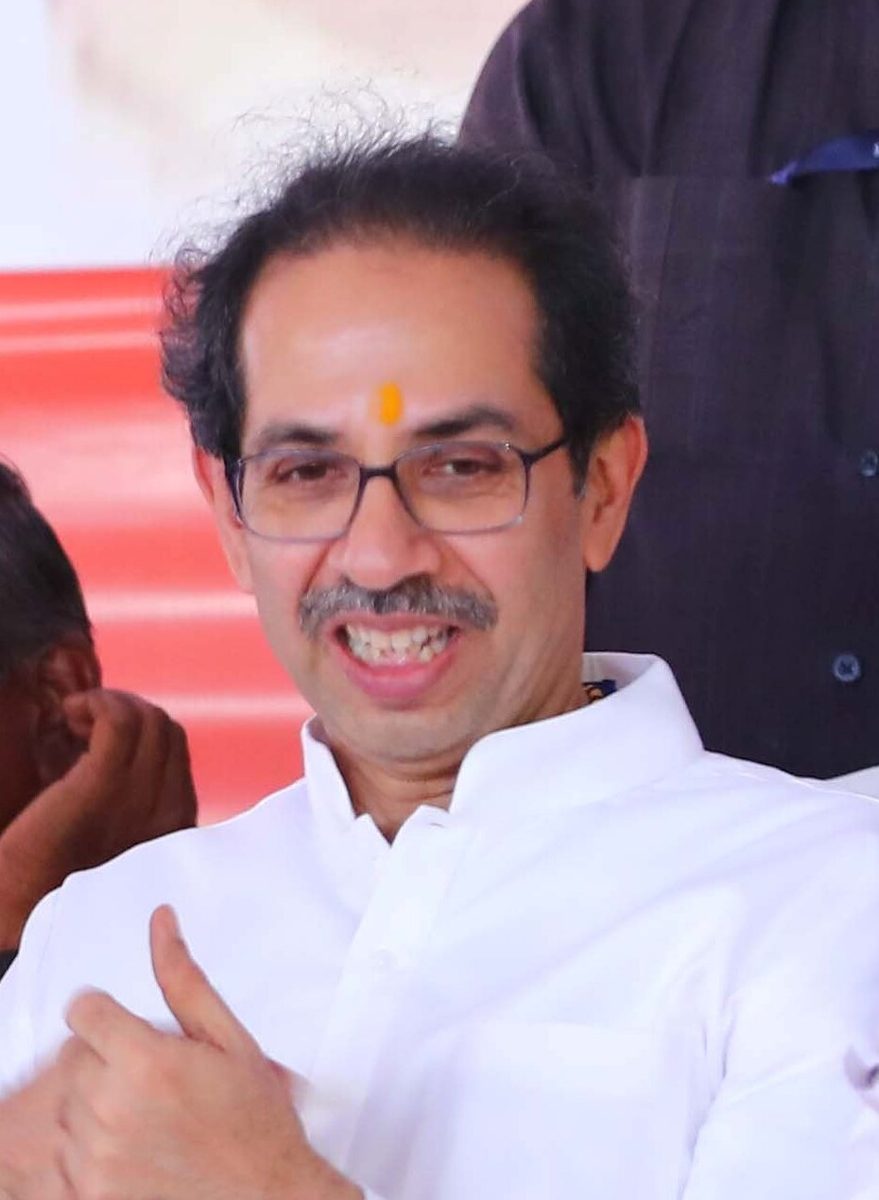
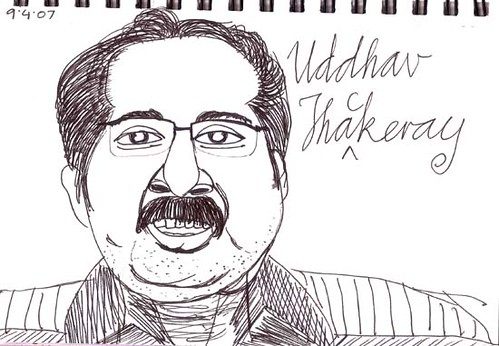
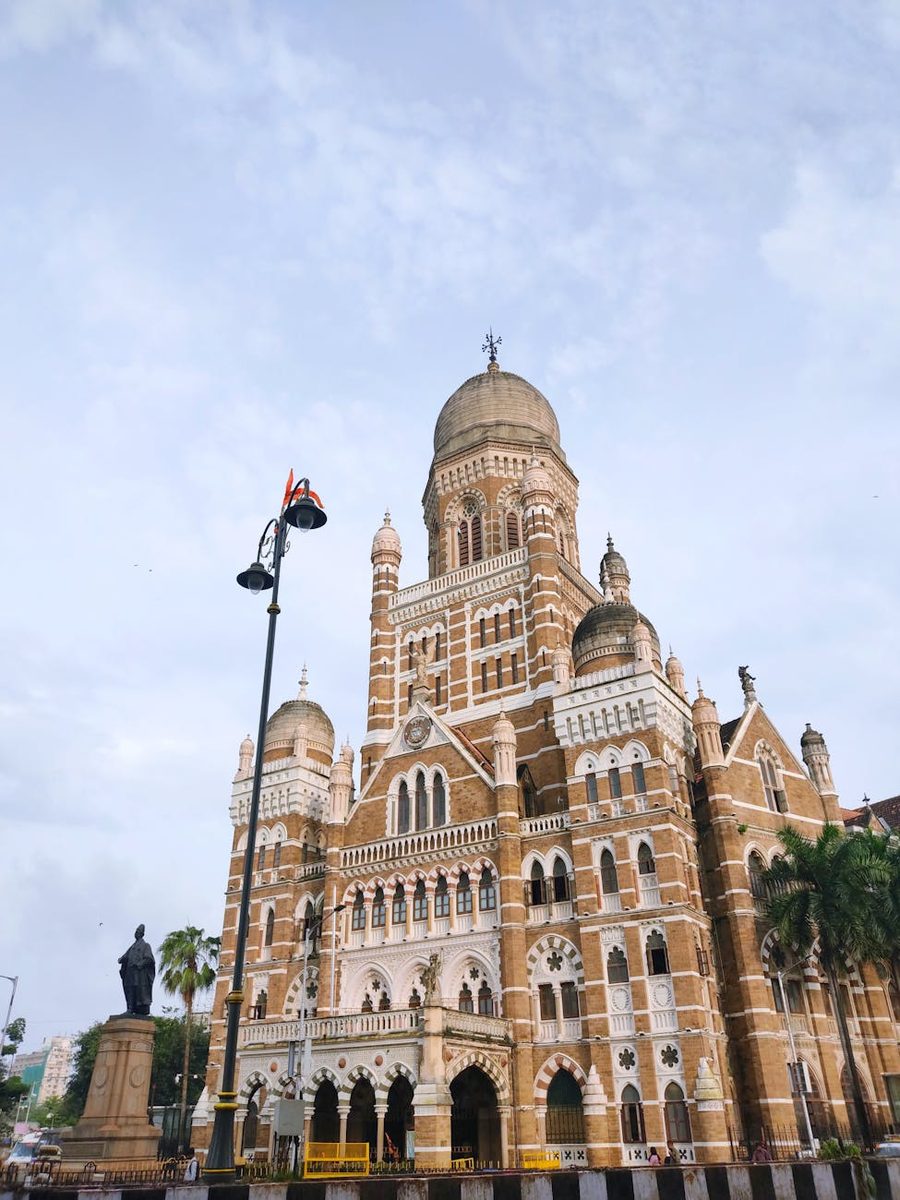
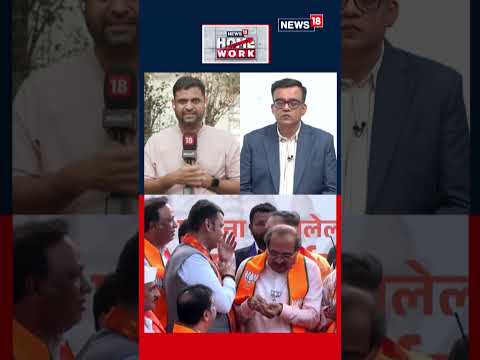
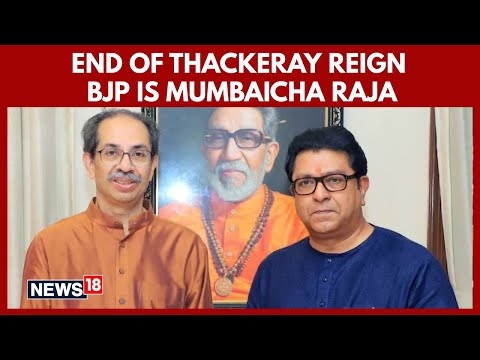
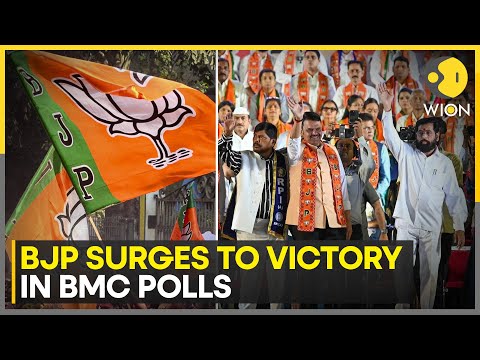
The Shiv Sena controlled Mumbai's municipal government for 25 years. On January 17, 2026, the BJP-led Mahayuti alliance won 118 of 227 seats in the Brihanmumbai Municipal Corporation (BMC) election, securing control of India's richest civic body with a ₹74,000 crore annual budget.
Coalition tensions persist over the mayor's post, with the Shinde faction demanding a share and the BJP insisting on its candidate for the full term. The BMC has scheduled the mayor election for February 11, 2026, with nominations opening February 6. Shiv Sena (UBT) plans to field a candidate.
Questions about this story
Free account needed to ask — your question is kept and asked for you right after sign-up. Answers are public.
No questions yet — be the first to ask.
Key Indicators
89
BJP seats won
Single largest party in BMC, up from 82 in 2017
25
Years of Thackeray control
Shiv Sena governed BMC continuously since 1997
₹74,400 Cr
BMC annual budget
Asia's richest municipal corporation, larger than five Indian states
22 events
Latest: February 5th, 2026 · 8 months ago
Showing 8 of 22
JK to step
Tap a bar to jump to that date
Jump to
February 2026
Shiv Sena (UBT) Announces Mayoral Candidate
LatestPolitical
Uddhav Thackeray-led Shiv Sena (UBT) declares intent to field strong candidates for Mumbai mayor and deputy mayor posts, urging MVA allies to vote together and ensuring a contested election.
BMC Schedules Mayor Election for February 11
Administrative
Brihanmumbai Municipal Corporation officially announces mayor election on February 11, 2026, with nominations opening February 6, scrutiny on February 7, and withdrawals by February 8.
January 2026
Reservation Lottery Scheduled for Mayor Post
Administrative
Urban Development Department to conduct lottery at 11 a.m. at Mantralaya to determine reservation category (Open, OBC, SC, ST, or women) for Mumbai mayor position.
Shinde Faction Demands Mayor Post for First Term
Political
Eknath Shinde's Shiv Sena demands mayor position for first year (or 2.5 years), citing Bal Thackeray's birth centenary on January 23 as justification. BJP rebuffs demand, insisting mayor will be from BJP for full five-year term.
Reports Surface of Fadnavis-Uddhav Talks
Political
Multiple Marathi news outlets report exploratory talks between CM Fadnavis and Uddhav Thackeray regarding mayor position, though both sides decline official confirmation. Reports suggest discussions may be tactical rather than indicating formal alliance.
Shinde Faction Moves Corporators to Hotel
Political
All 29 Shinde Sena winning corporators relocated to Taj Lands End hotel to prevent poaching attempts and strengthen negotiating position for mayor selection.
BJP-Led Alliance Wins BMC Majority
Election
Mahayuti secures 118 of 227 seats. BJP wins 89 as single largest party. Shiv Sena (UBT) takes 65. Thackeray family's 25-year control ends.
Uddhav Alleges Election Irregularities
Political
Uddhav Thackeray describes BMC election as 'strange' and claims BJP used 'every method possible' including cash distribution and candidate kidnapping. Declares 'this battle is not over' and vows to continue fight for Marathi respect.
BMC Election Held After 9-Year Gap
Election
Mumbai votes in first BMC election since 2017. Turnout reaches 52.94%, slightly below 2017's 55.53%.
December 2025
Thackeray Cousins Reunite
Political
Uddhav and Raj Thackeray announce alliance between Shiv Sena (UBT) and MNS for BMC elections, ending 20-year rift.
December 2024
Fadnavis Returns as Chief Minister
Political
Devendra Fadnavis sworn in for third term as CM. Shinde and Ajit Pawar become Deputy CMs.
November 2024
Mahayuti Wins State Landslide
Election
BJP-led alliance wins 235 of 288 state assembly seats. BJP alone takes 132 seats. Uddhav's faction reduced to 20 seats.
February 2023
Shinde Faction Wins Party Name
Legal
Election Commission awards 'Shiv Sena' name and bow-and-arrow symbol to Shinde's faction based on legislative strength.
June 2022
Shinde Becomes Chief Minister
Political
Eknath Shinde sworn in as CM with BJP's Devendra Fadnavis as Deputy CM, forming the Mahayuti alliance.
Eknath Shinde Triggers Shiv Sena Split
Political
Shinde leads majority of Shiv Sena MLAs to Gujarat, precipitating collapse of Uddhav's government and splitting the party.
March 2022
BMC Term Expires
Administrative
The elected BMC body's term expires. Due to COVID delays and OBC reservation disputes, no new election is held; administrators take over.
November 2019
Uddhav Thackeray Breaks with BJP
Political
After BJP refuses to share the Chief Minister post, Uddhav forms government with Congress and NCP as the Maha Vikas Aghadi, becoming CM himself.
February 2017
Last BMC Election Before Split
Election
Shiv Sena wins 84 seats, BJP 82. The parties contest separately but neither wins majority; they later cooperate on mayor selection.
November 2012
Bal Thackeray Dies
Political
Shiv Sena founder Bal Thackeray dies at 86. His son Uddhav takes full control of the party.
December 2005
Raj Thackeray Leaves Shiv Sena
Political
Bal Thackeray's nephew Raj leaves the party to form the Maharashtra Navnirman Sena, beginning a 20-year estrangement between the Thackeray cousins.
January 1997
Shiv Sena Takes Control of BMC
Political
The undivided Shiv Sena wins control of the BMC, beginning 25 years of Thackeray-family dominance over Mumbai's civic government.
June 1966
Bal Thackeray Founds Shiv Sena
Political
Bal Thackeray establishes Shiv Sena in Mumbai as a movement for Marathi speakers, initially focused on opposing migration from other Indian states.
Scenarios
1
BJP Consolidates Urban Maharashtra
Likely
Discussed by: The Quint, India TV, political analysts
The BJP installs its first Mumbai mayor and uses control of 25 municipal corporations to cement organizational presence in urban Maharashtra. With state government, civic bodies, and parliamentary seats aligned, the party builds infrastructure and patronage networks that make future opposition victories increasingly difficult. The Thackeray factions remain fragmented and unable to mount coordinated challenges.
2
Shiv Sena Factions Eventually Reunify
Unlikely
Discussed by: Outlook India, political observers tracking Thackeray family dynamics
With the Thackeray-Shinde split proving electorally costly for both factions, pressure builds for reconciliation. The Shinde faction's dependence on BJP generosity and Uddhav's electoral weakness could create conditions for merger talks, particularly if BJP overreach creates shared grievances. A reunified Shiv Sena would reclaim Marathi identity politics and challenge BJP dominance.
3
Congress Builds Urban Opposition Base
Possible
Discussed by: The Quint analysis of Congress performance
Congress shows resilience by winning four municipal corporations outright and emerging as main opposition in several others. If the party addresses its weakness among urban middle-class voters and consolidates Muslim and Dalit support, it could position itself as the primary alternative to BJP in Maharashtra's cities, marginalizing both Shiv Sena factions.
4
Anti-Incumbency Hits Mahayuti in 2027 Local Elections
Uncertain
Discussed by: General political analysis of incumbency patterns
Governing Mumbai brings responsibility for water, roads, health, and infrastructure. If the Mahayuti alliance fails to deliver visible improvements or faces corruption scandals, the 2027-2028 cycle could see opposition resurgence. The Shiv Sena (UBT)'s 65-seat showing suggests a loyal base that could expand with effective governance failures.
5
Shinde Faction Defects Over Mayor Dispute
Unlikely
Discussed by: Political analysts tracking coalition tensions, The Week
If the BJP refuses to share the mayor's post with Shinde's Shiv Sena, some Shinde corporators could cross over to support a Thackeray-led opposition coalition. With 29 Shinde seats, even a partial defection of 10-15 corporators would deny Mahayuti its majority and potentially install a Marathi mayor from the UBT faction. This would mirror the 2022 rebellion but in reverse, with Shinde's own legislators abandoning him over perceived BJP dominance.
Historical Context
3 moments from history that rhyme with this story — and how they unfolded.
1 of 3
February 1967
DMK Ends Congress Dominance in Tamil Nadu (1967)
The Dravida Munnetra Kazhagam defeated the Indian National Congress in Madras state elections, ending Congress's unbroken post-independence dominance in the region. The DMK won on a platform of Tamil identity and opposition to Hindi imposition, securing 138 seats to Congress's 50.
Then
DMK's C.N. Annadurai became Chief Minister. Congress never regained power in Tamil Nadu.
Now
Established permanent regional party control of Tamil Nadu. National parties have since won the state only through alliances with DMK or AIADMK.
Why this matters now
Like the BMC shift, the 1967 Tamil Nadu result ended long-standing party dominance. But the parallel runs in reverse: in 1967, a regional party displaced a national one. In 2026, a national party displaced a regional one. Both illustrate how party splits and identity politics can rapidly reshape seemingly permanent electoral maps.
2 of 3
December 2022
AAP Ends BJP's 15-Year MCD Control in Delhi (2022)
The Aam Aadmi Party won 134 of 250 seats in Delhi's Municipal Corporation election, ending 15 years of BJP control. The BJP fell to 104 seats. AAP's vote share surged from 21% to 42%.
Then
AAP consolidated control of both Delhi's state government and municipal corporation.
Now
BJP regrouped and won the 2025 Delhi state elections, demonstrating that municipal losses don't prevent state-level recovery.
Why this matters now
Shows municipal control can shift rapidly but isn't necessarily permanent. The BJP's 2025 Delhi recovery suggests the Thackeray factions could potentially reclaim civic power if they consolidate and the ruling alliance falters.
3 of 3
May 2011
TMC Ends 34-Year Left Front Rule in West Bengal (2011)
Mamata Banerjee's Trinamool Congress won 227 of 294 state assembly seats, ending the Communist-led Left Front's 34-year continuous rule. The Left had governed since 1977, the longest democratically-elected communist government in history.
Then
Complete collapse of Left Front organizational networks across West Bengal.
Now
TMC has governed continuously since, though BJP emerged as main challenger by 2019, replacing the Left as opposition.
Why this matters now
Demonstrates that even deeply-rooted political machines can collapse suddenly when party splits or leadership failures create openings. The Left's organizational decay in Bengal parallels questions about whether the split Shiv Sena can rebuild its grassroots machinery.