
Pull to refresh
Logo
Daily Brief
Following
Why
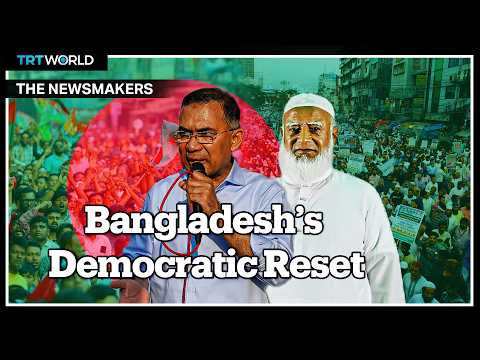
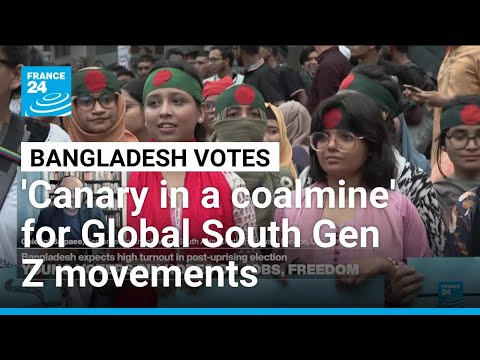
Bangladesh holds first election since Hasina ouster

Bangladesh holds first election since Hasina ouster

Rule Changes
By Newzino Staff | |

BNP victory certified; Tarique Rahman to be sworn in as prime minister by February 17 after 18 months of interim rule

7 days ago: Tarique Rahman Sets Oath-Taking for February 16-17

Overview

Sheikh Hasina ruled Bangladesh for 15 years, winning elections her opponents called fraudulent. On August 5, 2024, student protesters stormed her residence, and she fled by helicopter to India. Eighteen months later, on February 12, 2026, the country held its first competitive parliamentary election since 2008β€”with Hasina's Awami League banned and its leader sentenced to death in absentia. The BNP, led by Tarique Rahman, secured a two-thirds majority with 209 seats, while the Jamaat-led alliance won 68; results were certified on February 14.

Tarique Rahman, who spent 17 years in London exile, is set to be sworn in as prime minister by February 17, with South Asian leaders including India's PM Modi invited. The constitutional referendum passed with 68% approval, enabling reforms like 10-year prime ministerial term limits and minority language recognition. Muhammad Yunus faces mounting pressure for a swift power transfer as Bangladesh enters a post-interim phase.

Key Indicators

209
BNP Seats Won
Bangladesh Nationalist Party and allies secured two-thirds majority in 300-seat parliament (certified February 14)
68
Jamaat Alliance Seats
Main opposition bloc secured 68 seats per official certification
68%
Referendum Yes Vote
Constitutional reforms approved by 68% of voters at 60% turnout
60%
Final Turnout
Voter turnout reached 60% in parliamentary election
1,400+
Protesters killed in 2024
United Nations investigators documented up to 1,400 civilian deaths during the July 2024 crackdown
18
Months of interim rule
Nobel laureate Muhammad Yunus led a caretaker government from August 2024 to the election

Interactive

Exploring all sides of a story is often best achieved with Play.

George Orwell

George Orwell

(1903-1950) · Modernist · satire

Fictional AI pastiche β€” not real quote.

"How curious that after eighteen months of revolution, Bangladesh discovers that swapping one exile's party for another exile's party and renaming the citizenry constitutes freedom. The students who stormed the palace with such fury will learn soon enough that the real test of democracy is not who wins the first election, but whether anyone is permitted to win the second."

Ever wondered what historical figures would say about today's headlines?

Sign up to generate historical perspectives on this story.

Sign Up

Debate Arena

Two rounds, two personas, one winner. You set the crossfire.

People Involved

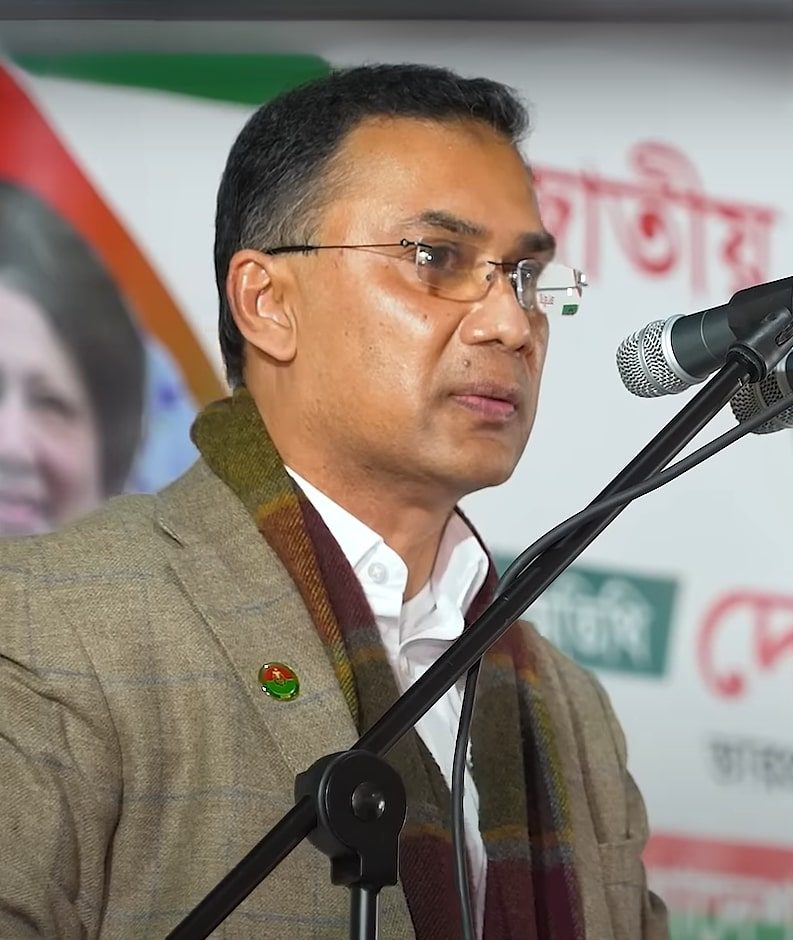
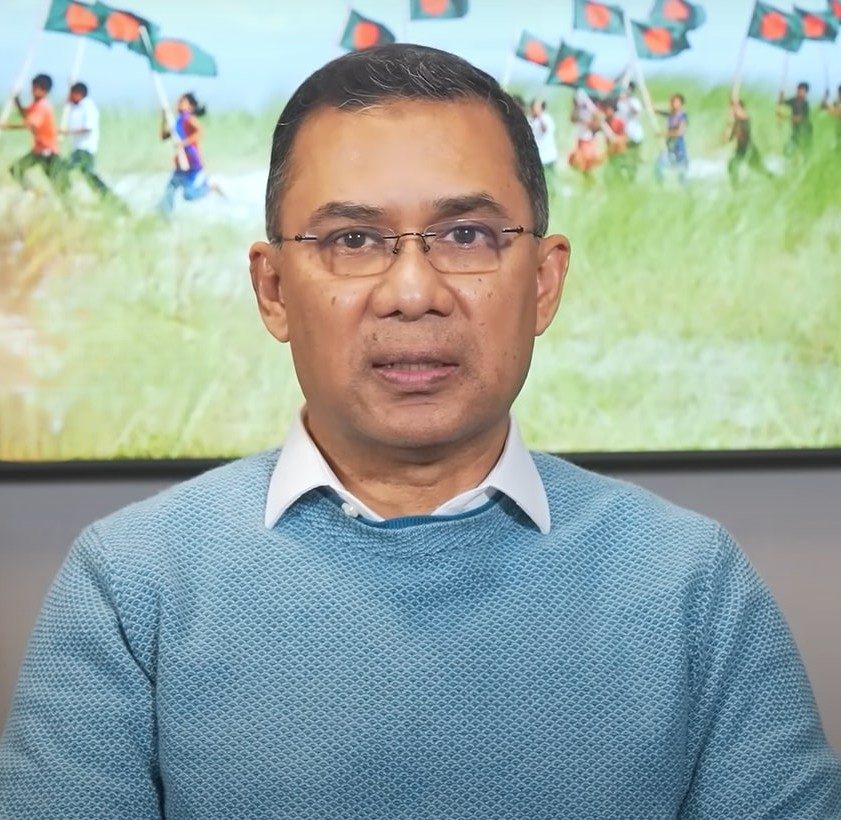
Tarique Rahman
Tarique Rahman
Prime Minister-designate, Chairman, Bangladesh Nationalist Party (Set to be sworn in as prime minister by February 17; called for national unity)
Shafiqur Rahman
Shafiqur Rahman
Ameer (Leader), Jamaat-e-Islami Bangladesh (Jamaat alliance forms main opposition with 77 seats)
Muhammad Yunus
Muhammad Yunus
Chief Adviser, Interim Government of Bangladesh (Under pressure to step aside promptly for BNP transition; post-Yunus era begins)
Sheikh Hasina
Sheikh Hasina
Former Prime Minister of Bangladesh (2009-2024) (In exile in India, sentenced to death in absentia)
Nahid Islam
Nahid Islam
Convener, National Citizen Party (Leading student-formed party in alliance with Jamaat)
Khaleda Zia
Khaleda Zia
Former Prime Minister and BNP Chairperson (deceased) (Died December 30, 2025)

Organizations Involved

Bangladesh Nationalist Party
Political Party
Status: Victory certified (209 seats); to form government with Rahman as PM by Feb 17

Center-right nationalist party founded by President Ziaur Rahman, now led by his son after 17 years of exile and persecution under Hasina.

Jamaat-e-Islami Bangladesh
Political Party
Status: Alliance wins 77 seats as main opposition

Islamist party that opposed Bangladesh's 1971 independence; several former leaders were executed for war crimes, but the Supreme Court lifted its ban in 2025.

Awami League
Awami League
Political Party
Status: Banned from electoral participation

Bangladesh's oldest political party, which led the 1971 independence movement but was banned in May 2025 after Hasina's ouster.

National Citizen Party
Political Party
Status: Contesting 30 seats in alliance with Jamaat

Bangladesh's first student-led political party, formed by leaders of the July 2024 uprising who toppled Hasina.

Timeline

  1. Tarique Rahman Sets Oath-Taking for February 16-17

    Political

    BNP announced PM swearing-in ceremony at Jatiya Sangsad Bhavan for Tarique Rahman and small initial cabinet; South Asian leaders including India PM Modi invited. Yunus faces pressure to exit promptly amid calls for orderly transition.

  2. Official Results Confirm BNP Landslide Victory

    Election

    Election Commission declared BNP and allies won 212 of 300 seats; Jamaat alliance secured 77. Constitutional referendum passed with 68% yes vote on July Charter reforms. Turnout reached 60%.

  3. Bangladesh Holds First Post-Hasina Election

    Election

    Nearly 127 million Bangladeshis voted in the first competitive parliamentary election since 2008, alongside a constitutional referendum on the July Charter. Turnout reached 48% by early afternoon with isolated security incidents. Results expected February 13.

  4. Khaleda Zia Dies

    Death

    Former Prime Minister and BNP Chairperson Khaleda Zia died after prolonged illness. She received a state funeral, and her son Tarique became BNP chairman.

  5. Tarique Rahman Returns After 17 Years

    Political

    BNP leader Tarique Rahman returned to Bangladesh after 17 years in London exile. Courts had overturned all his convictions following Hasina's ouster.

  6. Sheikh Hasina Sentenced to Death

    Legal

    The International Crimes Tribunal convicted Hasina of crimes against humanity for the 2024 crackdown and sentenced her to death in absentia. Bangladesh has demanded her extradition from India.

  7. July Charter Signed by 25 Parties

    Political

    Twenty-five political parties signed the July National Charter, agreeing to constitutional reforms including prime ministerial term limits, recognition of minority languages, and restoration of caretaker government provisions.

  8. Supreme Court Lifts Jamaat Electoral Ban

    Legal

    Bangladesh's Supreme Court lifted the ban preventing Jamaat-e-Islami from contesting elections, allowing the Islamist party to participate for the first time since its leaders were executed for war crimes.

  9. Awami League Banned Under Anti-Terrorism Act

    Legal

    The interim government banned all Awami League activities under the Anti-Terrorism Act. The Election Commission suspended the party's registration two days later.

  10. Muhammad Yunus Sworn In as Chief Adviser

    Political

    Nobel laureate Muhammad Yunus, proposed by the student movement, was sworn in to lead an interim government with 20 advisers, including two student leaders.

  11. Hasina Resigns and Flees to India

    Political

    As large crowds surrounded her residence, Sheikh Hasina resigned and fled by helicopter to India. President Shahabuddin ordered the release of opposition leader Khaleda Zia from house arrest.

  12. July Massacre Begins

    Crisis

    Security forces launched violent crackdowns on protesters across Bangladesh. By late July, UN investigators would document up to 1,400 civilian deaths, mostly from security forces' gunfire.

  13. Hasina's 'Razakar' Speech Inflames Protests

    Statement

    Prime Minister Hasina suggested student protesters were 'razakar'β€”a term for pro-Pakistan collaborators in the 1971 warβ€”escalating tensions. Her student wing began attacking protesters with support from police.

  14. Supreme Court Restores Job Quotas

    Legal

    Bangladesh's Supreme Court invalidated the government's 2018 circular ending public sector job quotas, including 30% reserved for descendants of 1971 independence fighters. Student protests began shortly after.

Scenarios

1

BNP Wins Majority, Tarique Becomes Prime Minister

Discussed by: Opinion polls cited by Al Jazeera and Reuters; analysts at Chatham House

Tarique Rahman, who spent 17 years in exile, leads the BNP to a parliamentary majority and becomes prime minister. The party would inherit an economy strained by the transition, strained relations with India, and pressure to deliver on promises of cleaner governanceβ€”while facing questions about Tarique's own past corruption allegations.

2

Jamaat Alliance Wins, Islamist-Student Coalition Governs

Discussed by: The Diplomat; Al Jazeera analysts noting potential 'surprise' outcome

The Islami Andolan Bangladesh coalition, led by Jamaat-e-Islami with the student-led National Citizen Party, wins enough seats to form government. This would mark a dramatic rehabilitation for a party whose leaders were executed for 1971 war crimes, and would test whether the student revolutionaries can shape policy from inside an Islamist-led coalition.

3

Hung Parliament, Coalition Negotiations Drag On

Discussed by: International Crisis Group; Council on Foreign Relations

Neither major bloc wins a governing majority, leading to protracted coalition negotiations. The interim government would need to manage an extended transition, potentially delaying constitutional reforms agreed in the July Charter and creating uncertainty for investors and international partners.

4

Election Results Disputed, Political Crisis Returns

Discussed by: Human Rights Watch; International IDEA observers

Reports of ballot tamperingβ€”over 100 pre-stamped ballots were already recovered in Sherpurβ€”escalate into widespread allegations of fraud. Losing parties reject results, triggering street protests and raising the specter of another political crisis before the new government can be seated.

5

Tarique Rahman Sworn In, Implements Reforms

Discussed by: Election Commission officials; BNP leadership statements

With a two-thirds majority, Prime Minister Tarique Rahman convenes parliament, forms Constitution Reform Council, and begins implementing July Charter changes including term limits and caretaker system restoration. Faces challenges balancing economic recovery, India relations, and coalition with Jamaat.

Historical Context

Indonesia's Post-Suharto Transition (1998-1999)

May 1998 - October 1999

What Happened

Student protesters, triggered by the Asian financial crisis, forced President Suharto to resign after 31 years in power. On May 12, 1998, security forces shot six students at Jakarta's Trisakti University, setting off three days of devastating riots. Suharto resigned nine days later. Vice President B.J. Habibie took over, lifted bans on political parties, and oversaw elections in June 1999 with 48 parties competing.

Outcome

Short Term

Indonesia held its first free elections in four decades. The transition was turbulentβ€”ethnic violence and separatist conflicts erupted in several regions.

Long Term

Indonesia became Southeast Asia's largest democracy. Constitutional reforms devolved power to regions and established direct presidential elections. The transition is now considered one of the most successful authoritarian-to-democratic shifts in modern history.

Why It's Relevant Today

Both transitions were triggered by student protests against an entrenched leader, followed by an interim government that rapidly organized elections. Bangladesh faces similar questions about whether quick elections can produce stable democracy, and whether old political forces will dominate the post-transition order.

Tunisia's Post-Ben Ali Elections (2011-2014)

January 2011 - December 2014

What Happened

Protests triggered by a street vendor's self-immolation forced President Zine El Abidine Ben Ali to flee to Saudi Arabia after 23 years in power. Tunisia held constituent assembly elections in October 2011β€”the first free vote since independence in 1956. The Islamist Ennahda party won the most seats. After three years of constitution-writing, Tunisia held legislative and presidential elections in 2014.

Outcome

Short Term

Tunisia became the Arab Spring's sole successful democratic transition. The constituent assembly drafted a progressive constitution adopted in 2014.

Long Term

Democracy eroded under President Kais Saied, who suspended parliament in 2021 and rewrote the constitution. By 2024, analysts described Tunisia as having returned to authoritarian rule.

Why It's Relevant Today

Like Bangladesh, Tunisia held a constitutional process alongside elections to restructure governance after ousting a long-ruling leader. Tunisia's trajectoryβ€”initial democratic success followed by authoritarian backslidingβ€”illustrates the challenges Bangladesh may face in sustaining its transition.

Bangladesh's 1991 Democratic Transition

December 1990 - September 1991

What Happened

Mass protests forced military ruler General Ershad to resign in December 1990. Elections in February 1991 brought Khaleda Zia's BNP to power with 140 of 300 seats. A September 1991 referendum transformed Bangladesh from a presidential to a parliamentary system, making the presidency largely ceremonial.

Outcome

Short Term

Bangladesh established democratic governance. International observers called the election free and fair.

Long Term

Democracy persisted but was marked by fierce rivalry between the Awami League and BNP, periodic military interventions, and the caretaker government systemβ€”which Hasina later abolished before her authoritarian turn.

Why It's Relevant Today

The 1991 transition established the democratic framework that Hasina progressively dismantled. The 2026 election, held alongside a referendum to restore caretaker provisions and limit prime ministerial terms, explicitly aims to rebuild the safeguards that failed over the past 15 years.

22 Sources: