

Pull to refresh
Logo
India completes 2,843-km Dedicated Freight Corridor network

India completes 2,843-km Dedicated Freight Corridor network

Built World

Final Western Corridor sections link Mumbai port to northern industrial hubs

Today: Network fully operational

Overview

Updated 49 minutes ago

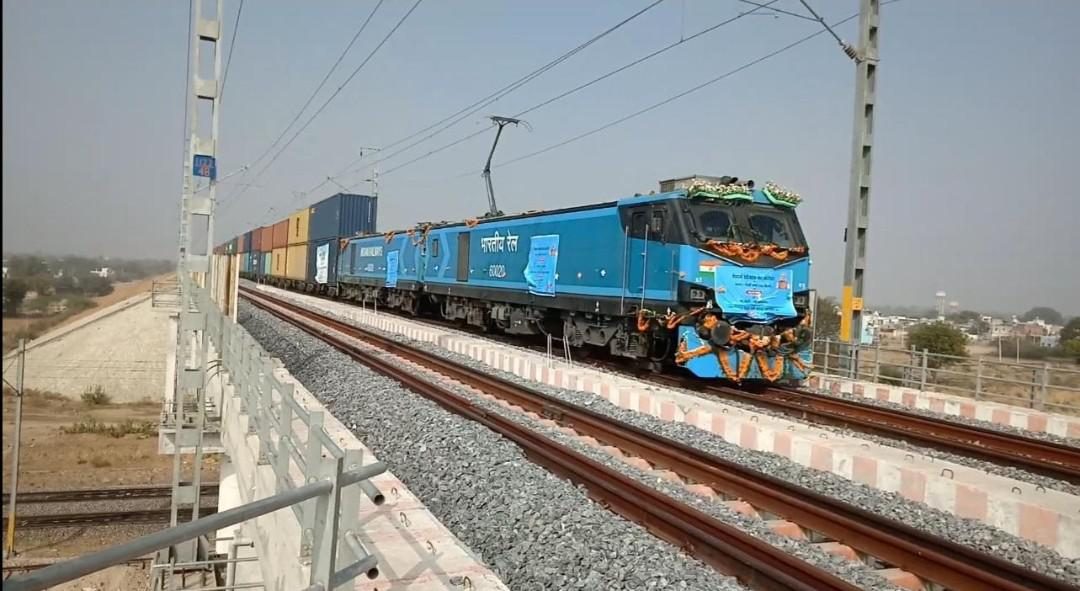
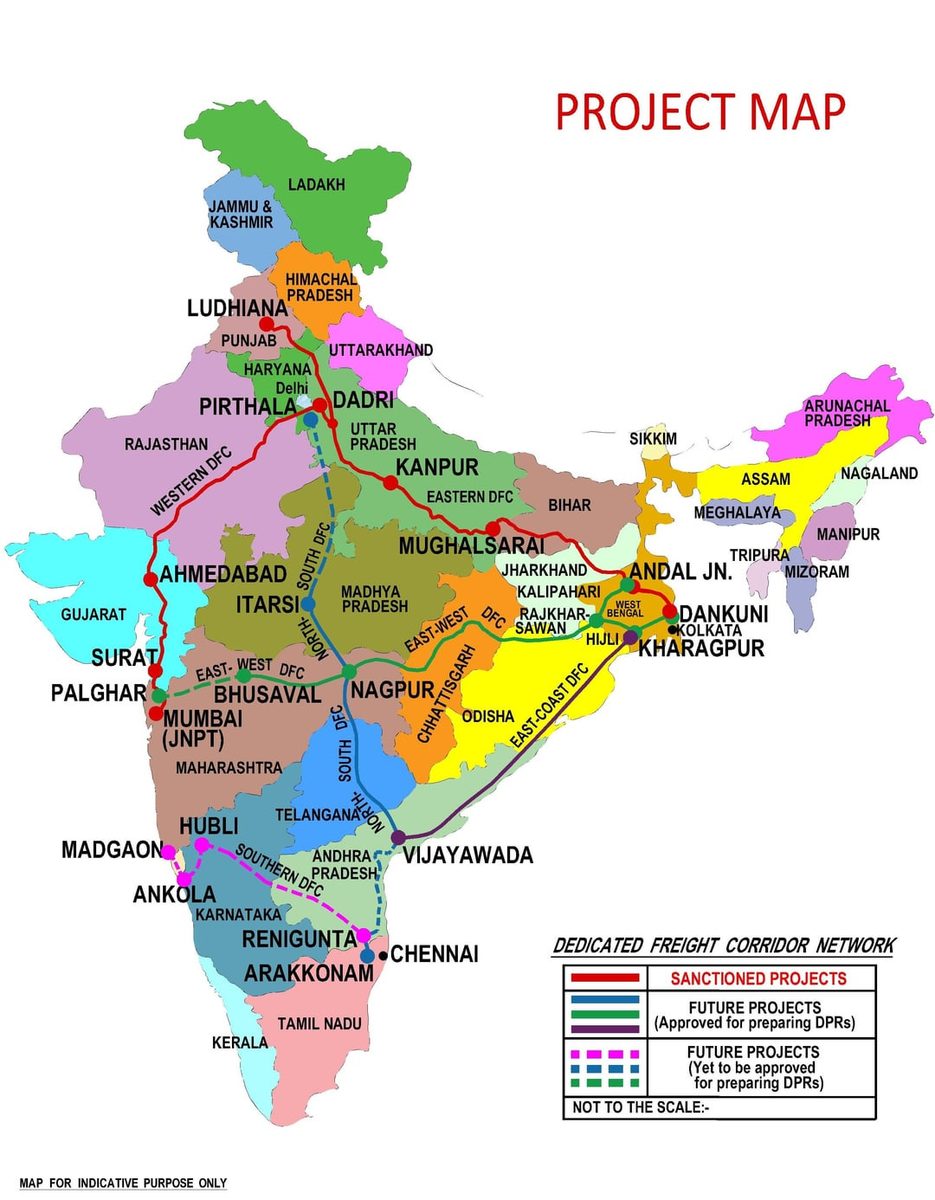
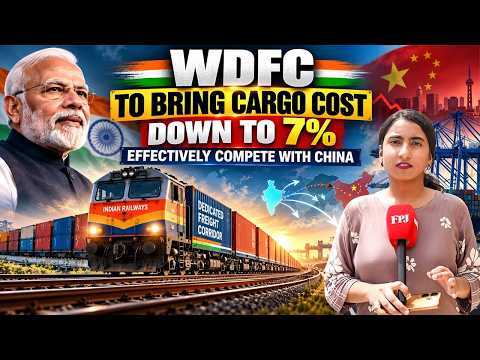
India's 2,843-kilometer Dedicated Freight Corridor network is now fully operational. Prime Minister Narendra Modi inaugurated the final three sections of the Western Dedicated Freight Corridor on September 8, two decades after the project was first approved.

The network carries 443 freight trains daily. It gives export-import cargo a direct rail link between the Jawaharlal Nehru Port Authority near Mumbai and industrial hubs across western and northern India. It is the world's only fully electrified corridor built for routine double-stack container operations.

Why it matters

India's freight rail network now moves goods at roughly twice the speed of conventional tracks, cutting logistics costs for farm produce and container imports alike.

Questions about this story

Free account needed to ask — your question is kept and asked for you right after sign-up. Answers are public.

No questions yet — be the first to ask.

Key Indicators

2,843 km
Total DFC network length
Combined Eastern (1,337 km) and Western (1,506 km) corridors.
443
Freight trains running daily
Average daily trains on both corridors as of September 2026.
1,670 MT
Freight loading FY 2025-26
Million tonnes loaded on Indian Railways, up from 1,098 MT in FY 2014-15.
20 years
Project duration
Years from 2006 approval to full network completion.

Voices

Curated perspectives — historical figures and your fellow readers.

Ever wondered what historical figures would say about today's headlines?

Sign up to generate historical perspectives on this story.

Play

Exploring all sides of a story is often best achieved with Play.

Most of these play right now — no account needed. Sign up to save scores, keep a streak, and unlock Debate and Predict. Log in Sign Up
Predict 3 ways this could play out. Back the one you believe — contrarian picks score more when a scenario has a resolution date. Log in to play

People Involved

Organizations Involved

Timeline

January 2006 September 2026

3 events Latest: Today
  1. Network fully operational

    Today Inauguration

    PM Modi inaugurates final three WDFC sections, completing the 2,843-km DFC network.

  2. DFC handles 403 trains daily

    Operational

    Ministry of Railways reports operational DFC sections handling an average of 403 trains a day.

  3. DFC project approved

    Policy

    UPA-I government approves Dedicated Freight Corridor project; DFCCIL incorporated to execute it.

Historical Context

3 moments from history that rhyme with this story — and how they unfolded.

May 1869

Transcontinental Railroad (1869)

The first transcontinental railroad connected the US East and West coasts at Promontory Summit, Utah. The 1,912-mile line cut cross-country travel from months to about a week.

Then

Freight and passenger traffic surged, transforming western settlement and commerce.

Now

The railroad became the backbone of US economic expansion, linking agricultural and industrial regions.

Why this matters now

Like the DFC, it was a state-backed infrastructure project that connected industrial hubs and ports, fundamentally changing freight economics.

November 1869

Suez Canal (1869)

The Suez Canal opened, connecting the Mediterranean and Red Seas. It cut the sea route between Europe and Asia by about 7,000 kilometers.

Then

Shipping times between Europe and Asia dropped dramatically, reshaping global trade routes.

Now

The canal became one of the world's most strategic waterways, controlling a significant share of global container traffic.

Why this matters now

Both projects reduced transit times for freight by creating dedicated, more direct routes, with immediate effects on trade costs.

2008-2023

China's high-speed rail expansion (2008-2020s)

China began building its high-speed rail network in 2008, expanding to over 40,000 kilometers by 2023. The network transformed domestic travel and freight logistics.

Then

Travel times between major cities fell dramatically, reshaping regional economies.

Now

China's rail network became the world's largest, demonstrating the economic impact of state-led rail infrastructure.

Why this matters now

Both are examples of massive state-led rail infrastructure projects that reshape logistics and regional economies.

Sources

(5)