

Pull to refresh
Logo
RVNL completes 95-km rail line into Chhattisgarh's Bastar region

RVNL completes 95-km rail line into Chhattisgarh's Bastar region

Built World

Final 17.5-km Taroki–Rowghat section passes safety clearance; 140-km extension to Jagdalpur still pending

Yesterday: RVNL announces full 95-km completion

Overview

Updated 2 hours ago

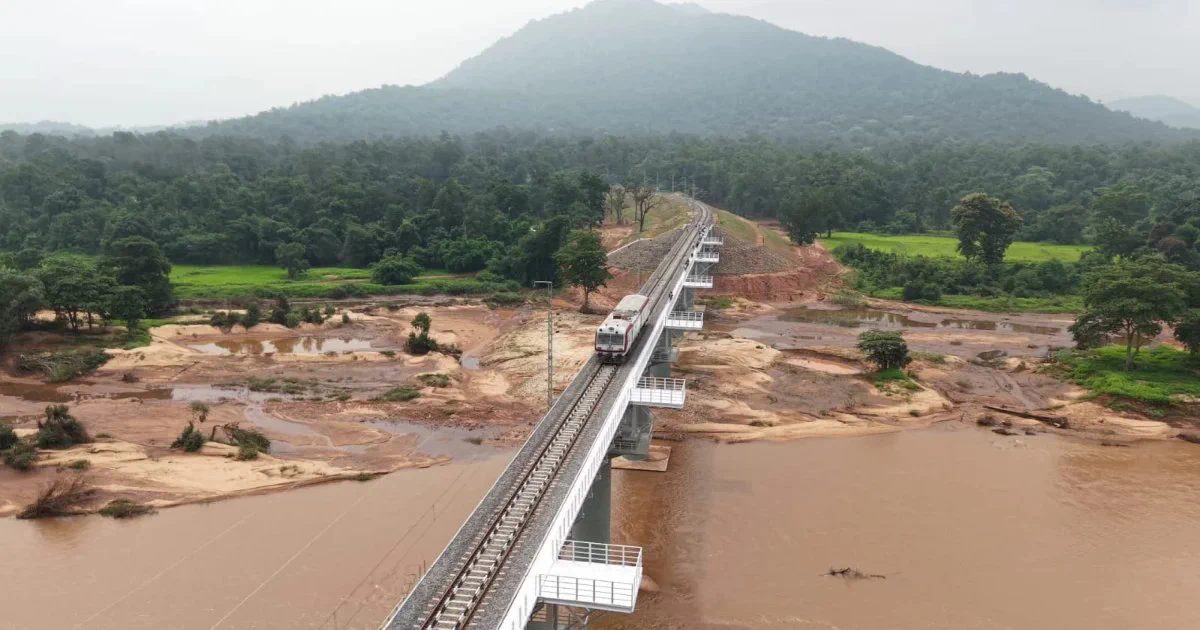
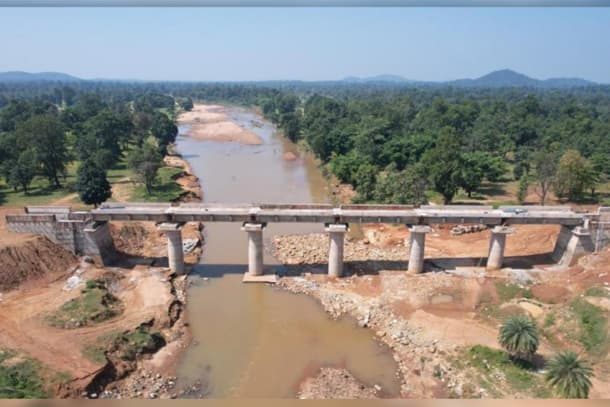
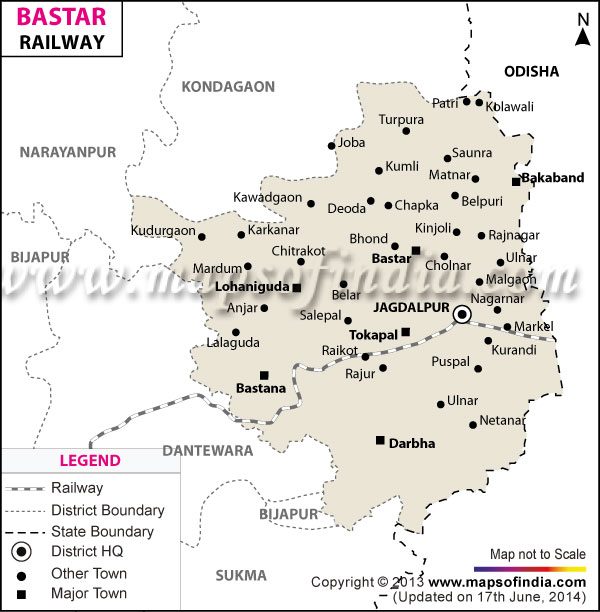
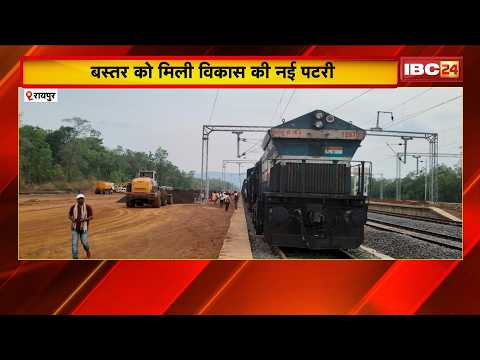
India's state-owned Rail Vikas Nigam Limited (RVNL) finished the last 17.5 km of the 95-km Dallirajhara–Rowghat line in Chhattisgarh, after the rail safety commissioner inspected and speed-tested it on September 22. The line now reaches Rowghat in the Bastar region, an area that had no rail access.

Approved in principle in 1993, the line was built under protection of the Sashastra Seema Bal (SSB) paramilitary force against Maoist insurgents. It serves two purposes: moving iron ore from the Rowghat mines to Steel Authority of India Limited's (SAIL) Bhilai Steel Plant, and giving Bastar's communities their first rail link. A 140-km extension from Rowghat to Jagdalpur remains unbuilt.

Why it matters

Indian steel gains access to the Rowghat iron ore mines, and Bastar towns gain their first rail link to the national network.

Questions about this story

Free account needed to ask — your question is kept and asked for you right after sign-up. Answers are public.

No questions yet — be the first to ask.

Key Indicators

95 km
Completed rail line length
Dallirajhara–Rowghat Phase I, cleared for 80 km/h operation.
17.5 km
Final section completed
Taroki–Rowghat stretch, inspected by CRS on September 22, 2026.
Rs 16.28 billion
Phase I investment
Core funding provided by SAIL.
140 km
Phase II remaining
Rowghat–Jagdalpur section, no physical construction started.

Voices

Curated perspectives — historical figures and your fellow readers.

Ever wondered what historical figures would say about today's headlines?

Sign up to generate historical perspectives on this story.

People Involved

Organizations Involved

Timeline

January 1993 October 2026

6 events Latest: Yesterday
Tap a bar to jump to that date
  1. RVNL announces full 95-km completion

    Latest Milestone

    RVNL declares the Dallirajhara–Rowghat line complete, with passenger service to Rowghat pending final formalities.

  2. CRS inspects final Taroki–Rowghat stretch

    Inspection

    Rail safety commissioner inspects and speed-tests the last 17.5 km, clearing it for 80 km/h.

  3. CRS inspects Keoti–Antagarh section

    Inspection

    Safety inspection clears the 42–60 km segment, extending rail service to Antagarh.

  4. Construction begins on the line

    Construction

    Groundwork starts on the 95-km route through forested, Maoist-affected terrain under SSB protection.

  5. RVNL tasked with Phase I

    Decision

    RVNL is entrusted with building the 95-km Dallirajhara–Rowghat segment.

  6. Bastar rail project gets in-principle approval

    Decision

    Indian Railways approves in principle the Dalli Rajhara–Jagdalpur new line project.

Scenarios

1

Passenger trains begin running to Rowghat

Likely Resolves by Q1 2027

Discussed by: South East Central Railway officials (per PTI)

Passenger service currently runs from Dallirajhara to Tadoki, covering 77.5 km. Officials say the final stretch is complete and inspected; scheduled service on the Tadoki–Rowghat section will begin after safety and operational formalities are finished.

2

First iron ore train runs Rowghat to Bhilai Steel Plant

Possible Resolves by End of 2027

Discussed by: SAIL, Ministry of Railways project briefs

The line's strategic purpose is moving iron ore from the Rowghat mines to SAIL's Bhilai Steel Plant. With the line complete, the first ore train could run once loading infrastructure at Rowghat is in place.

3

Phase II construction to Jagdalpur begins

Unlikely Resolves by End of 2029

Discussed by: RVNL project page, IRCON

The 140-km Rowghat–Jagdalpur section is assigned to IRCON. No physical construction has started; land acquisition and financial closure remain pending. The anticipated cost is INR 2538.6 crore, and commissioning depends on those steps.

Historical Context

2 moments from history that rhyme with this story — and how they unfolded.

1990–1998

Konkan Railway (1990–1998)

India built the 760-km Konkan Railway along the western coast, cutting through the Western Ghats with 91 tunnels and nearly 2,000 bridges. Construction began in 1990, and the line opened in 1998.

Then

The railway linked Mumbai to Mangalore, sharply cutting travel time and opening coastal communities to development.

Now

It became the model for using a dedicated agency (Konkan Railway Corporation) to execute large, difficult-terrain rail projects.

Why this matters now

Like Konkan, the Bastar line used a dedicated executing agency (RVNL) and took over a decade of construction in difficult terrain.

2002–2020s

Kashmir rail link, USBRL (2002–2020s)

India sanctioned the Udhampur-Srinagar-Baramulla Rail Link in 2002 to connect the Kashmir Valley, facing extreme Himalayan terrain, long tunnels, and security threats from militants. The final section through the Pir Panjal range was completed in the 2020s, more than two decades after sanction.

Then

The line connected Kashmir to the national rail network for the first time, with passenger service starting in phases.

Now

It demonstrated how Indian rail projects in security-sensitive regions stretch far beyond initial timelines.

Why this matters now

Both projects show how security threats and difficult terrain extend Indian rail timelines by decades, and both relied on dedicated construction agencies.

Sources

(7)