

Pull to refresh
Logo
GST Council removes arrest powers, raises prosecution threshold

GST Council removes arrest powers, raises prosecution threshold

Rule Changes

India's 57th GST Council meeting approves tax reforms, effective April 2027

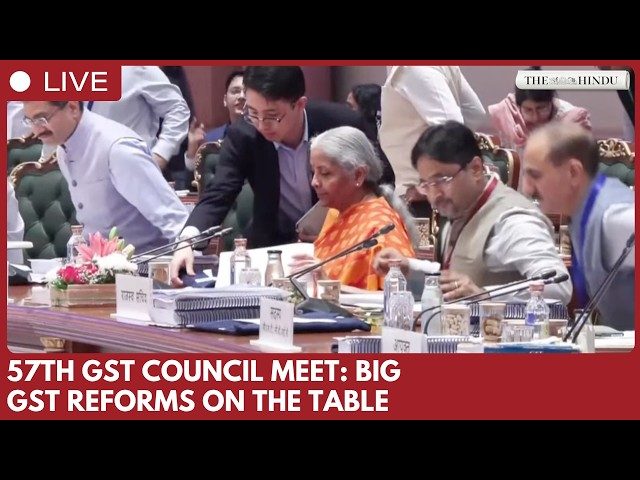
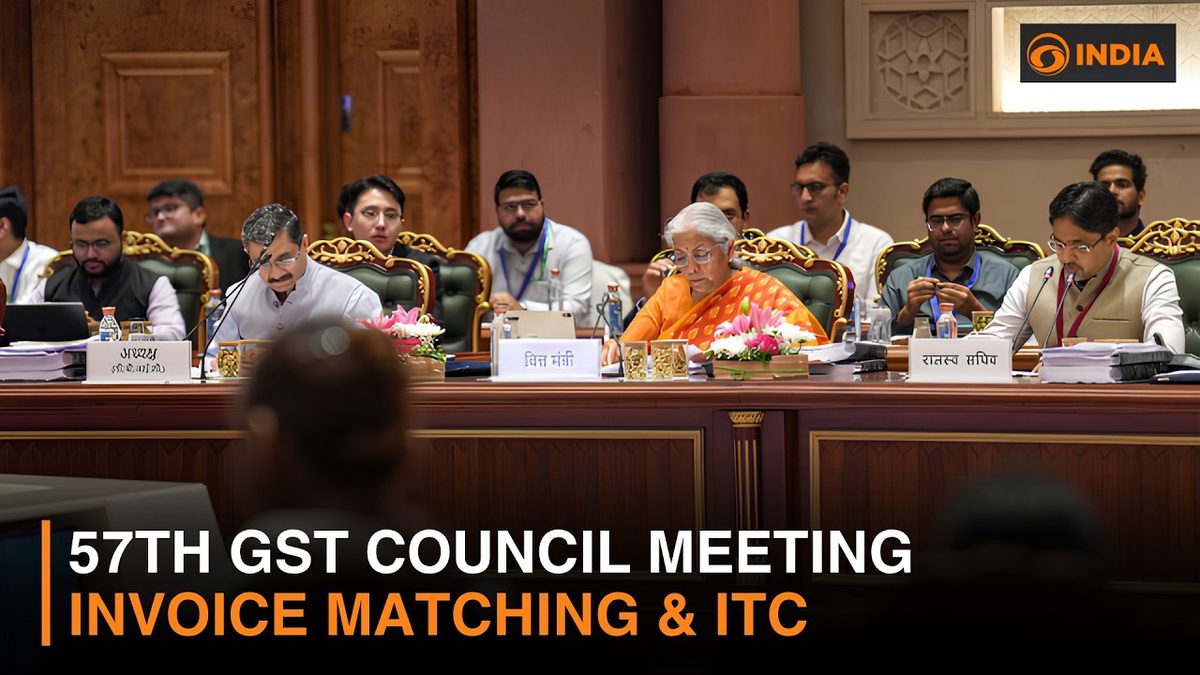
Today: 57th GST Council meeting approves sweeping reforms

Overview

Updated 2 hours ago

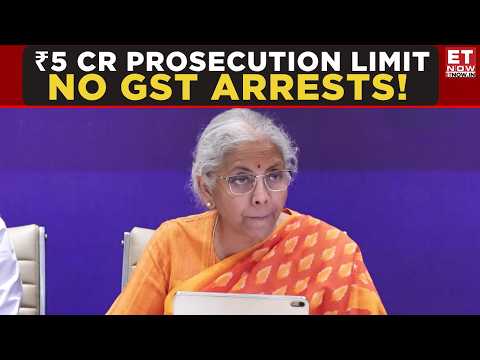
GST officers can no longer arrest taxpayers. India's GST Council voted October 8 to remove arrest powers under the goods and services tax law. It also raised the prosecution threshold from ₹1 crore to ₹5 crore and cut the general penalty from ₹25,000 to ₹10,000.

The changes take effect April 1, 2027. Finance Minister Nirmala Sitharaman called it a 'trust-based approach' — the government betting that better data matching makes coercion unnecessary. No tax rates were changed.

Why it matters

Indian businesses face far lower risk of arrest and criminal prosecution in GST disputes, with enforcement now reserved for the largest fraud cases.

Questions about this story

Free account needed to ask — your question is kept and asked for you right after sign-up. Answers are public.

No questions yet — be the first to ask.

Key Indicators

₹5 crore
Prosecution threshold
Raised from ₹1 crore, a fivefold increase.
60%
General penalty cut
Reduced from ₹25,000 to ₹10,000.
10 days
Refund acknowledgement time
Cut from 15 days; deemed acknowledgement if no response.
90%
Provisional refund sanction
Automated for zero-rated supplies and inverted duty structure claims.

Voices

Curated perspectives — historical figures and your fellow readers.

Ever wondered what historical figures would say about today's headlines?

Sign up to generate historical perspectives on this story.

People Involved

Organizations Involved

Timeline

July 2017 October 2026

3 events Latest: Today
  1. 57th GST Council meeting approves sweeping reforms

    Today Policy

    Council removes arrest powers, raises prosecution threshold to ₹5 crore, cuts penalties, speeds refunds.

  2. Two-rate GST structure introduced

    Policy

    GST Council simplifies its multi-slab rate structure to a two-rate system.

  3. GST launches across India

    Policy

    India replaces multiple central and state indirect taxes with a unified goods and services tax.

Scenarios

1

Reforms take effect April 1, 2027

Likely Resolves by Apr 1, 2027

Discussed by: Finance Ministry, GST Council

Sitharaman said every agenda item will be implemented from April 1, 2027. Implementation requires formal notifications amending the CGST Act. The reforms include removing arrest powers, raising the prosecution threshold, cutting penalties, and speeding refunds.

2

Supplier-default ITC proposal finalized

Possible Resolves by Q1 2027

Discussed by: GST Council

The proposal to protect genuine buyers from losing input tax credit when suppliers default was referred to an officers' committee. If finalized, it would prevent cascading losses for honest businesses. Sitharaman said committee matters would be finalized before April 2027.

3

First annual rate review under new policy

Likely Resolves by Apr 1, 2027

Discussed by: GST Council

The Council decided rate changes will be considered only once a year, effective April 1. The first annual review would happen in 2027. This marks a shift toward predictability for businesses, with rates reviewed annually rather than at each meeting.

Historical Context

2 moments from history that rhyme with this story — and how they unfolded.

July 2017

GST launch (July 2017)

India replaced a patchwork of central and state indirect taxes with a single goods and services tax on July 1, 2017. The reform unified a market of 1.3 billion people under one tax system, ending decades of cascading taxes.

Then

Businesses faced a steep learning curve with new compliance requirements and frequent rate changes.

Now

GST became the backbone of India's indirect tax system, with the Council meeting regularly to refine rates and rules.

Why this matters now

The 2026 reforms are the latest chapter in GST's evolution, shifting from enforcement-heavy compliance to a trust-based model.

2025

Two-rate GST structure (2025)

The GST Council simplified its multi-slab rate structure to a two-rate system, a year before the 2026 reforms.

Then

Simplified compliance for businesses navigating multiple tax slabs.

Now

Set the stage for the process reforms of 2026, which focused on enforcement and compliance rather than rates.

Why this matters now

The 2026 reforms build on this simplification, addressing process and enforcement issues while leaving rates unchanged.

Sources

(8)