
Pull to refresh
Logo
Newsom signs California laws taxing detention centers, allowing suits against federal agents

Newsom signs California laws taxing detention centers, allowing suits against federal agents

Rule Changes San Francisco, CA local

First-in-nation 25% tax on private detention centers plus new civil liability for immigration agents

Yesterday: Newsom signs immigration enforcement package

Overview

Updated 1 hour ago

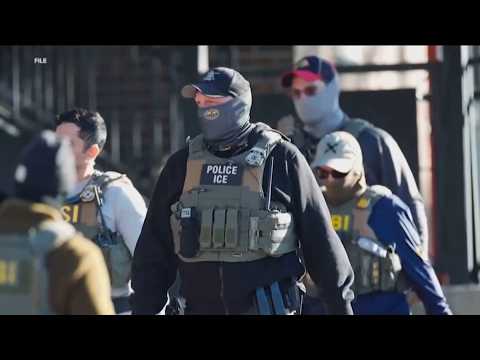
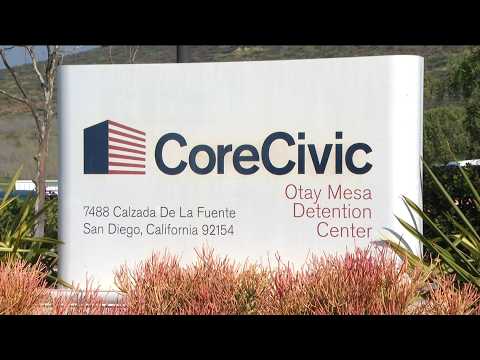
California is the first state to tax private immigration detention centers. Gov. Gavin Newsom signed the 25% levy and a package of companion laws on Sept. 29, escalating the state's fight with the Trump administration's deportation program.

The laws let Californians sue federal agents for constitutional violations, ban ICE from using electric shock gloves, and expand state investigations of detention facilities. Opponents call them preempted by federal law and expect court challenges.

Why it matters

If the laws survive court challenges, federal immigration agents in California face civil lawsuits and a 25% tax on detention profits.

Questions about this story

Free account needed to ask — your question is kept and asked for you right after sign-up. Answers are public.

No questions yet — be the first to ask.

Key Indicators

25%
Tax on private detention centers' gross income
First-in-nation levy on for-profit corporations running immigration detention facilities in California; revenue funds a new due-process program.
38,000+
People detained in California deportations since February 2025
The largest planned deportation program in U.S. history has swept up tens of thousands in the state.

Voices

Curated perspectives — historical figures and your fellow readers.

Ever wondered what historical figures would say about today's headlines?

Sign up to generate historical perspectives on this story.

People Involved

Organizations Involved

Timeline

February 2025 September 2026

4 events Latest: Yesterday
Tap a bar to jump to that date
  1. Newsom signs immigration enforcement package

    Latest Policy

    Signs 25% detention tax, No Kings Act, shock glove ban, detention oversight expansion, and shooting investigation requirements.

  2. California National Guard federalized

    Policy

    Trump administration federalizes California National Guard personnel, intensifying the enforcement environment.

  3. Federal agents fatally shoot two protesters

    Conflict

    Renee Good and Alex Pretti, U.S. citizens protesting deportations in Minneapolis, are fatally shot by federal agents.

  4. Mass deportation program launches

    Policy

    Trump administration begins the largest planned deportation program in U.S. history, sweeping up people across California.

Scenarios

1

Federal courts block the new California laws

Possible Resolves by End of 2027

Discussed by: CalMatters, which noted the laws "will likely be tested in federal court"

The state-federal conflict moves to court. The Justice Department or detention corporations sue, arguing the laws are preempted by federal immigration authority. The 9th Circuit — which in 2026 already struck down a California law on masked agents — is the likely first stop. A ruling against California would freeze the tax and liability provisions while appeals run.

2

Trump administration sues California to stop the package

Likely Resolves by Q1 2027

Discussed by: The governor's office frames the package as a direct challenge; the administration has previously sued California over sanctuary policies

The U.S. Department of Justice files suit challenging the laws as unlawful interference with federal immigration enforcement. This would parallel the administration's earlier challenges to California sanctuary rules. A suit could seek an injunction against the tax and the liability provisions while they're litigated.

3

Detention corporations withdraw from California or absorb the tax

Uncertain Resolves by End of 2027

Discussed by: California Immigrant Policy Center, which says detention corporations make hundreds of millions in California annually

The 25% tax takes effect. Private operators either pay it, pass costs to the federal government, or close and relocate facilities. If ICE stops contracting with California-based facilities, enforcement shifts to other states. The outcome hinges on whether the tax survives court review and whether ICE keeps contracting in-state.

Historical Context

3 moments from history that rhyme with this story — and how they unfolded.

1890

In re Neagle (1890)

The Supreme Court held that a state could not prosecute a U.S. marshal for killing a judge's assailant while protecting the judge on duty. The Court ruled federal officers acting within their duties are protected from state prosecution.

Then

The marshal was freed from state charges.

Now

For 135 years, the case has shielded federal officers from state accountability and limited how states regulate federal operations.

Why this matters now

CalMatters reports this is the precedent likely to block California's new law requiring state prosecutors to investigate shootings by immigration agents.

June 1971

Bivens v. Six Unknown Named Agents (1971)

Webster Bivens sued federal narcotics agents who entered his Brooklyn apartment without a warrant, and the Supreme Court let him sue for damages under the Fourth Amendment directly. The ruling created the "Bivens action," a private right to sue federal officers for constitutional violations.

Then

For the first time, people could sue federal agents for constitutional violations without a specific statute.

Now

Later courts sharply narrowed Bivens, refusing to extend it to new claims or agencies. That narrowing is the gap the No Kings Act tries to close with an explicit statutory right.

Why this matters now

California's SB 747 is a direct response to the shrinking of Bivens — it creates a statutory path that doesn't depend on court-created precedent.

2026

Ninth Circuit strikes California's masked-agent law (2026)

The 9th U.S. Circuit Court of Appeals struck down a California law Newsom signed in 2025 that required masked federal agents to identify themselves during enforcement. The court cited the 1890 precedent barring states from interfering with federal officers in the course of their duties.

Then

The ruling removed the identification requirement and signaled courts' skepticism of state rules that constrain federal agents.

Now

It established the main legal obstacle the new package faces.

Why this matters now

The current laws — the tax, the lawsuits, the shooting investigations — will likely be tested against the same federal-supremacy principle.

Sources

(4)

More from San Francisco, CA

Openings, permits and council decisions in San Francisco, CA, in your inbox every Monday.