
Pull to refresh
Logo
Daily Brief
Following
Why
India's workers and farmers unite against labor and trade reforms

India's workers and farmers unite against labor and trade reforms

Rule Changes
By Newzino Staff |

A coalition of 10 trade unions and farmer groups mobilizes 300 million workers in nationwide strikes

February 12th, 2026: 300 million workers join nationwide general strike

Overview

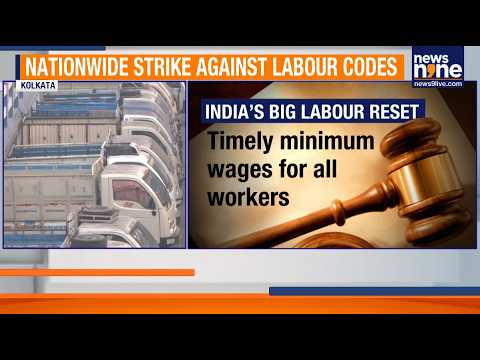
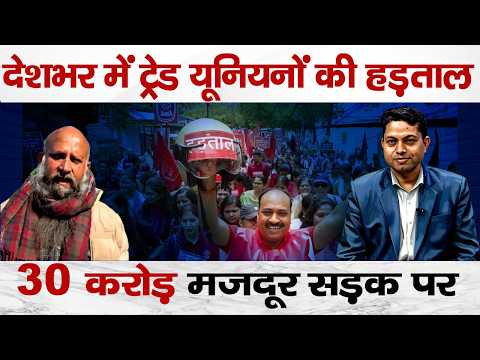
India's Parliament passed four labor codes in 2020 that condensed 29 existing laws into a streamlined framework. Five years later, after the codes finally took effect in November 2025, approximately 300 million workers walked off the job on February 12, 2026—disrupting banking, transportation, and industry across more than 600 districts in what organizers called the largest coordinated labor action since the reforms began.

The strike united an unusual coalition: ten trade unions that normally compete along political lines, plus farmer groups still wary after their successful 2020-2021 campaign against agricultural reforms. Their demands now extend beyond labor law to include opposition to a new India-U.S. trade deal, nuclear energy legislation, electricity privatization, and seed regulation—a broad rejection of the government's economic direction.

Key Indicators

300M
Workers participating
Claimed participation in the February 12 general strike across organized and informal sectors
600+
Districts affected
Geographic spread of strike disruptions across India's 766 districts
29→4
Laws consolidated
The four labor codes replaced 29 existing central labor laws
24th
General strike since 1991
This marks the 24th all-India general strike since economic liberalization began

Interactive

Exploring all sides of a story is often best achieved with Play.

Ever wondered what historical figures would say about today's headlines?

Sign up to generate historical perspectives on this story.

Sign Up

Debate Arena

Two rounds, two personas, one winner. You set the crossfire.

People Involved

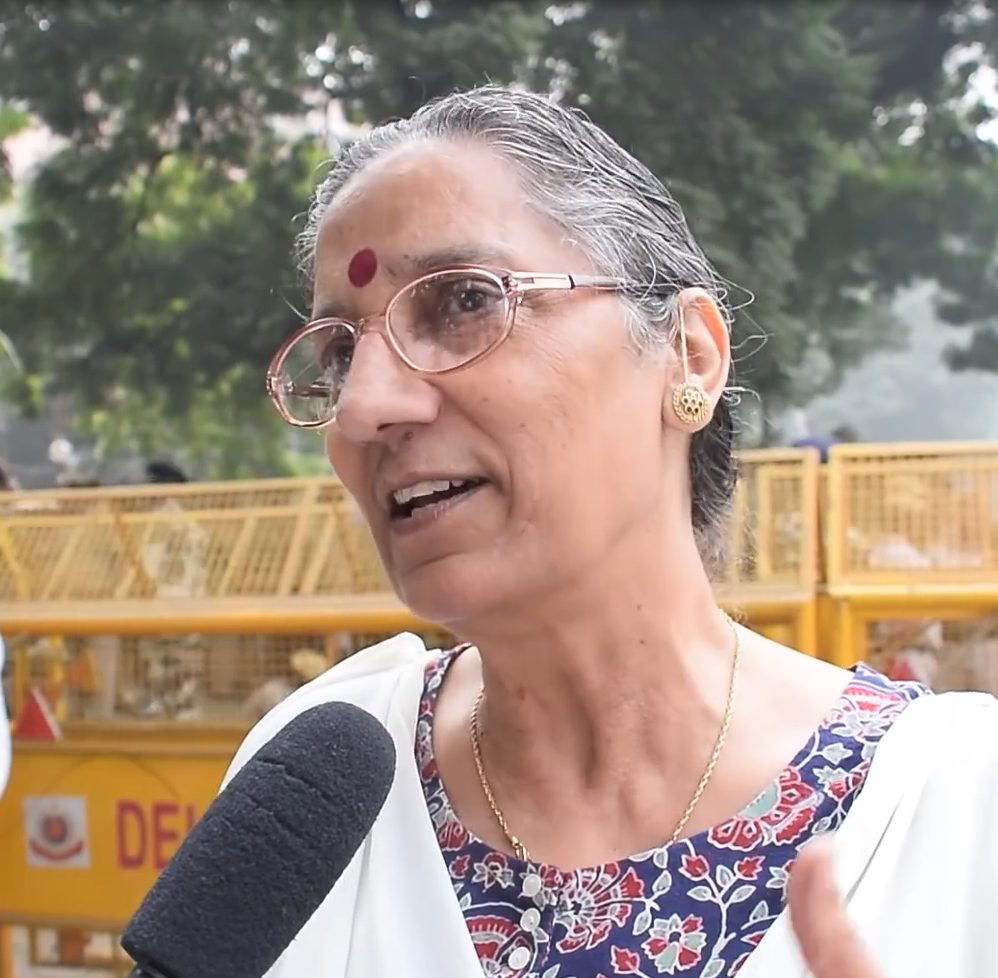
Amarjeet Kaur
Amarjeet Kaur
General Secretary, All India Trade Union Congress (AITUC) (Leading strike coordination)
Piyush Goyal
Piyush Goyal
Union Commerce and Industry Minister (Defending government policies)
Shivraj Singh Chouhan
Union Agriculture Minister (Defending trade deal provisions)

Organizations Involved

SA
Samyukt Kisan Morcha
Farmer Coalition
Status: Co-organizer of February 12 strike

An umbrella coalition of over 250 farmer unions formed during the 2020-2021 farm law protests that successfully forced the government to repeal three agricultural reform laws.

JO
Joint Platform of Central Trade Unions
Labor Coalition
Status: Primary strike organizers

A coordination platform of India's ten major central trade unions that periodically sets aside political differences for joint strike actions.

Timeline

  1. 300 million workers join nationwide general strike

    Labor Action

    Ten trade unions and farmer groups execute a 24-hour Bharat Bandh, disrupting banking, transportation, and industrial activity across more than 600 districts with strongest participation in Kerala and Odisha.

  2. Samyukt Kisan Morcha calls for Bharat Bandh

    Protest Announcement

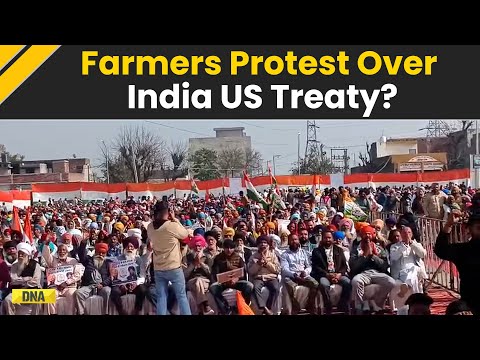
    The farmer coalition condemns the trade framework as a 'total surrender' of Indian agriculture and announces support for the February 12 general strike.

  3. India-U.S. interim trade framework announced

    Trade Policy

    The two governments announce a framework that will reduce Indian tariffs on American agricultural products including pulses, soybean oil, tree nuts, and spirits.

  4. SHANTI nuclear energy bill signed into law

    Legislation

    Parliament passes the Sustainable Harnessing and Advancement of Nuclear Energy for Transforming India Act, opening nuclear sector to private participation and capping liability.

  5. Four labor codes take effect nationwide

    Implementation

    The government implements all four labor codes, consolidating 29 central labor laws. Companies with fewer than 300 workers can now conduct layoffs without government approval.

  6. Modi announces farm law repeal

    Policy Reversal

    After a year of sustained farmer protests, Prime Minister Modi announces repeal of three agricultural reform laws, a rare retreat for his government.

  7. 250 million join general strike

    Labor Action

    Trade unions claim 250 million workers participate in what becomes recognized as the largest single-day strike in history, coinciding with emerging farmer protests.

  8. Three remaining labor codes passed amid opposition walkout

    Legislation

    Parliament passes the Industrial Relations Code, Social Security Code, and Occupational Safety Code in a truncated session while opposition boycotts proceedings over farm bills.

  9. Code on Wages passed

    Legislation

    Parliament passes the first of four labor codes, establishing a national minimum wage floor and consolidating four existing wage laws.

Scenarios

1

Government Proceeds, Protests Fade

Discussed by: Government officials, business publications including India Briefing and Economic Times

The government continues implementing the labor codes and finalizes the trade deal, betting that one-day strikes cannot sustain pressure. By April 2026, when final implementing rules are expected, most states have aligned their frameworks. The union coalition fragments as political parties prioritize other issues ahead of state elections. This mirrors the pattern of previous general strikes that generated headlines but didn't alter policy.

2

Trade Deal Modifications After Sustained Pressure

Discussed by: Bloomberg, Modern Diplomacy, farmer advocacy groups

Drawing on their 2020-2021 playbook, farmer groups escalate with prolonged protests near the capital. The government, wary of repeating the farm law debacle, quietly renegotiates specific agricultural provisions in the U.S. trade framework—perhaps reinstating tariffs on sensitive crops like pulses—while maintaining the broader deal structure. Labor codes remain unchanged.

3

Labor Code Implementation Delayed in Key States

Discussed by: KPMG, EY, labor law analysts

Opposition-governed states like Kerala, Tamil Nadu, and West Bengal delay issuing implementing rules or adopt worker-friendly interpretations that effectively neutralize the codes' most controversial provisions. This creates a patchwork system where labor protections vary dramatically by geography, complicating compliance for national employers but preserving some worker protections.

4

Broader Coalition Forces Multiple Policy Retreats

Discussed by: Left-aligned publications including People's Dispatch, Countercurrents

The worker-farmer alliance expands to include students, environmental groups opposing the SHANTI Act, and electricity sector employees. Sustained, escalating protests force the government to pause labor code enforcement, substantially modify the trade deal, and refer controversial legislation to parliamentary committees. This would represent a significant political defeat for the ruling party.

Historical Context

India's 1974 Railway Strike

May 1974

What Happened

Some 1.7 million railway workers walked off the job for 20 days in what remains the largest recorded industrial action in world history. Led by socialist leader George Fernandes, workers demanded better pay and working conditions. The government declared the strike illegal and arrested over 50,000 workers.

Outcome

Short Term

The strike was crushed without immediate gains. The government arrested union leaders, dismissed thousands of workers, and used emergency provisions to break the action.

Long Term

The strike's suppression presaged the 1975 Emergency declaration. But it also demonstrated the latent power of organized labor and made governments wary of directly confronting mass labor movements.

Why It's Relevant Today

The 1974 strike established the scale that Indian labor could achieve when unified. Today's general strikes invoke that legacy, though their one-day format reflects lessons about the risks of extended confrontation with the state.

India's 2020-2021 Farmer Protests

September 2020 – November 2021

What Happened

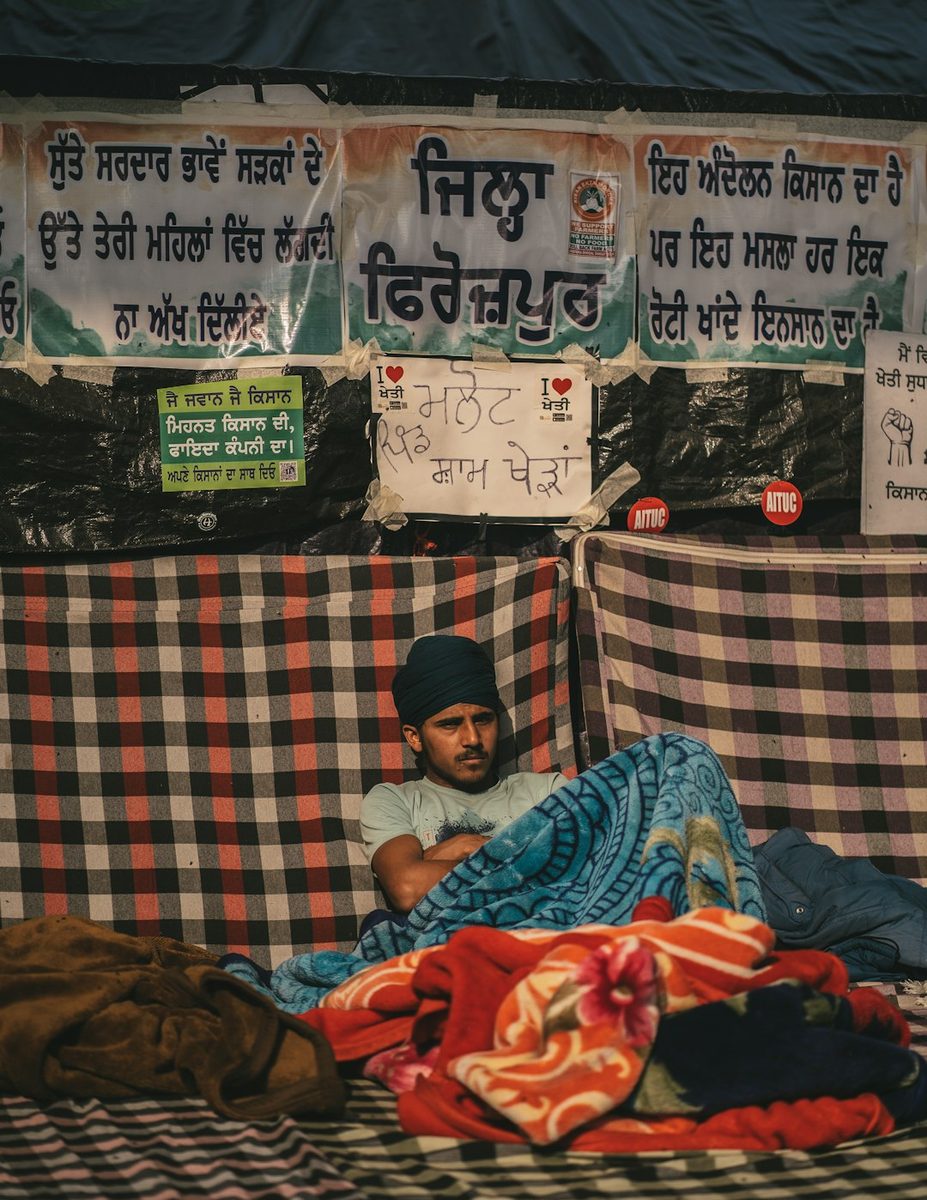
Hundreds of thousands of farmers, primarily from Punjab and Haryana, blocked highways into New Delhi to protest three agricultural reform laws they believed would expose them to corporate exploitation. Protests continued through harsh winter conditions and a violent incident at the Red Fort on Republic Day 2021.

Outcome

Short Term

In November 2021, Prime Minister Modi announced he would repeal all three laws—a rare retreat for his government, which typically pushes through contested reforms.

Long Term

The victory energized farmer organizations and created the Samyukt Kisan Morcha coalition. It also demonstrated that sustained grassroots pressure could force policy reversals even from a government with a parliamentary majority.

Why It's Relevant Today

The farmer movement's success shapes current strategy. Today's coalition explicitly invokes that victory, and the government's response is informed by the political cost of the 2021 retreat.

France's May 1968 General Strike

May 1968

What Happened

What began as student protests over university conditions in Paris escalated into a general strike involving 10 million workers—two-thirds of France's labor force. Factories were occupied, transportation stopped, and the government briefly appeared on the verge of collapse.

Outcome

Short Term

President de Gaulle negotiated the Grenelle Agreements, granting significant wage increases and labor protections. The immediate crisis subsided, though de Gaulle's party won subsequent elections.

Long Term

The events weakened de Gaulle's authority; he resigned within a year. May '68 became a reference point for mass social movements and demonstrated how worker-student coalitions could shake established governments.

Why It's Relevant Today

Today's Indian strike combines organized labor with farmer groups and has drawn some student support—echoing the cross-sectoral coalition that gave May '68 its power. The question is whether India's one-day actions can generate comparable pressure.

13 Sources: