
Pull to refresh
Logo
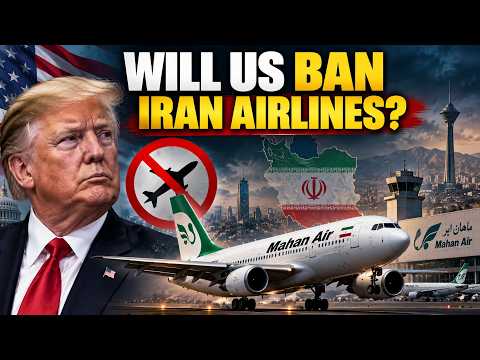
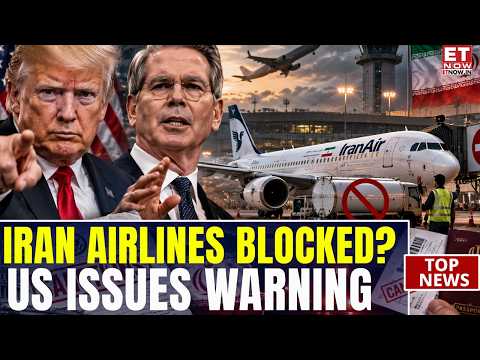
US sanctions prompt Iranian airlines to suspend flights to five destinations

US sanctions prompt Iranian airlines to suspend flights to five destinations

Rule Changes

New Treasury rules target any airport or service provider working with Iranian carriers, cutting off most international routes.

Yesterday: Iranian airlines suspend flights to five destinations

Overview

Updated 1 hour ago

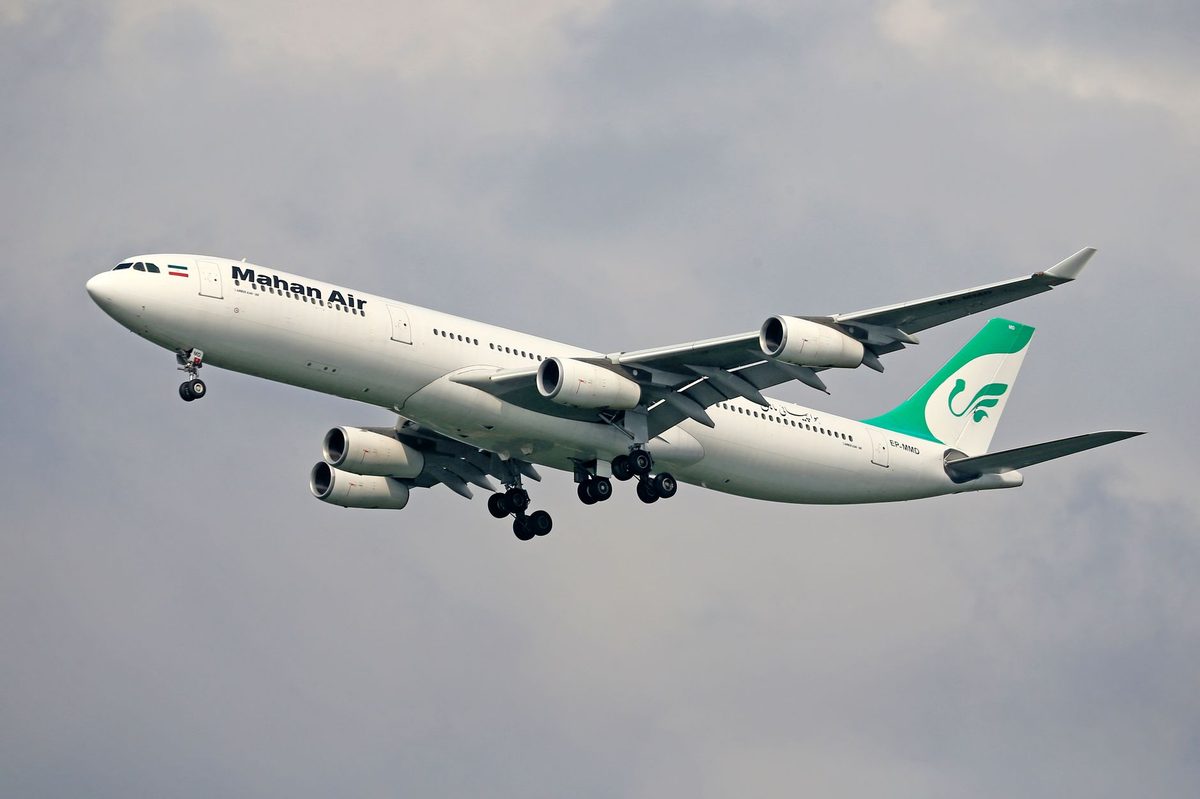
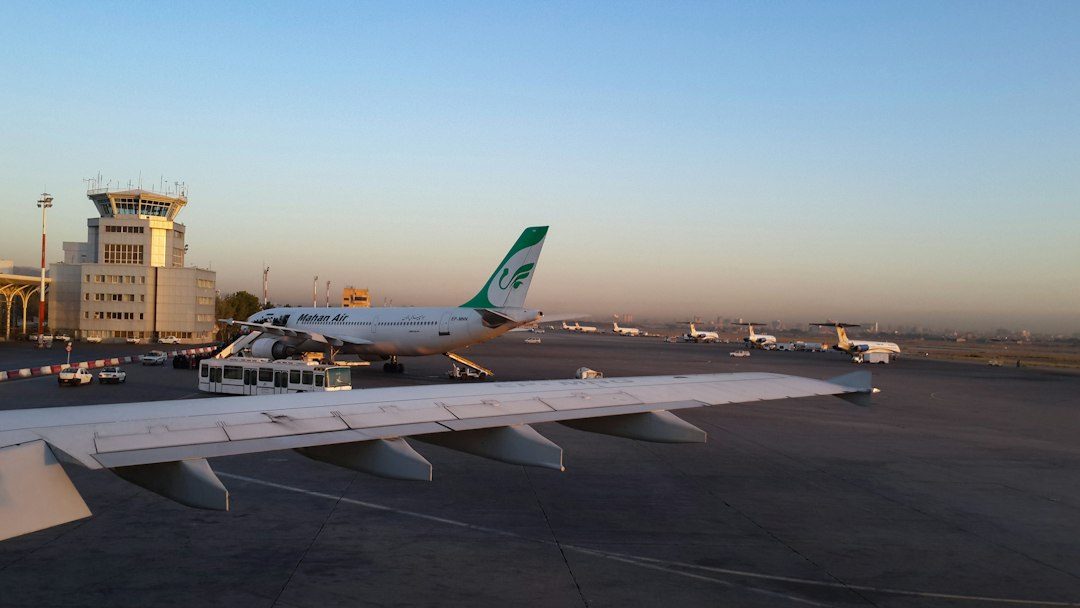
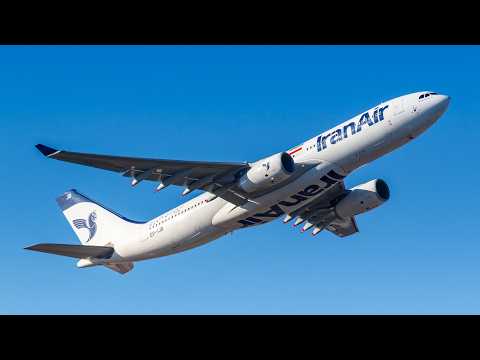
On Wednesday, Iranian airlines stopped flying to Baghdad, Muscat, Doha, Tbilisi, and Baku. The cancellations hit hours after new U.S. Treasury sanctions took effect, threatening any airport, fuel supplier, or ticket agent that serves Iranian carriers with loss of access to the U.S. financial system.

The rule change also cuts off Iranian airlines from overflight revenue worth more than $300 million a year. Travelers are now crossing land borders into Turkey and Armenia, and Iran's Civil Aviation Organization is scrambling to reroute flights through airports that still accept them.

Why it matters

If the sanctions hold, Iran loses most of its international air links and a key revenue source, deepening its isolation amid a seven-month war with the U.S.

Questions about this story

Free account needed to ask — your question is kept and asked for you right after sign-up. Answers are public.

No questions yet — be the first to ask.

Key Indicators

$300M
Annual overflight revenue at risk
Iran earned more than $300 million a year from overflight payments; the sanctions suspend U.S.-linked overflight authorizations.
27
Iranian airlines sanctioned
Treasury designated 27 Iranian airlines under Executive Order 13902 on September 8.
5
Destinations suspended
Baghdad, Muscat, Doha, Tbilisi, and Baku lost service on September 23; flights to China, Turkey, and some Iraqi airports continue.

Voices

Curated perspectives — historical figures and your fellow readers.

Ever wondered what historical figures would say about today's headlines?

Sign up to generate historical perspectives on this story.

People Involved

Organizations Involved

Timeline

August 2026 September 2026

4 events Latest: Yesterday
Tap a bar to jump to that date
  1. Iranian airlines suspend flights to five destinations

    Latest Disruption

    Wind-down expires; flights to Baghdad, Muscat, Doha, Tbilisi, and Baku stop.

  2. Bessent warns of 'economic D-Day' for service providers

    Statement

    Treasury Secretary announces wind-down period, threatening airports and service firms with secondary sanctions.

  3. OFAC sanctions 36 targets, including 27 airlines

    Sanctions

    Treasury designates Iranian airlines, accusing them of transporting weapons and personnel.

  4. Treasury designates Iran's aviation sector under E.O. 13902

    Rule Change

    Treasury determines aviation qualifies for sector sanctions under the order targeting Iran's economy.

Scenarios

1

Iran restores partial service via third-country airports

Possible Resolves by Nov 1, 2026

Discussed by: bne IntelliNews, aviation analysts

Iran's Civil Aviation Organization negotiates to divert flights through airports that ignore U.S. pressure, such as Najaf, Sulaymaniyah, and Yerevan. Carriers use local currencies and barter to avoid dollar payments, resuming service to some of the suspended destinations.

2

Iranian international network contracts to China, Russia, and a handful of allies

Likely Resolves by Dec 1, 2026

Discussed by: Al Jazeera, AirMag

Secondary sanctions prove too broad, and Iranian carriers only serve countries with deep ties to Tehran, like China, Russia, and Syria. Land border crossings become the primary exit route, and overflight revenue disappears.

3

US issues humanitarian carve-out for civilian flights

Unlikely Resolves by Q1 2027

Discussed by: Diplomatic observers, think tanks

Amid international backlash, the U.S. issues a general license allowing Iranian airlines to fly to specific destinations for humanitarian reasons, similar to past waivers for medical supplies. This would restore some routes but leave most sanctions intact.

Historical Context

3 moments from history that rhyme with this story — and how they unfolded.

January 2012 – November 2013

Iran nuclear-era oil sanctions (2012)

The U.S. and EU imposed secondary sanctions on buyers of Iranian crude, threatening to cut them off from the U.S. financial system. Iran's oil exports fell from about 2.5 million barrels a day to under 1 million.

Then

Iran's economy contracted, the currency devalued, and oil revenue collapsed.

Now

The pressure brought Iran to the negotiating table, leading to the 2015 JCPOA nuclear deal.

Why this matters now

Same secondary-sanctions mechanism is now used to isolate Iranian aviation, and it proved effective in forcing economic concessions.

May 2018 – 2020

Iran's aviation isolation after 2018 JCPOA collapse

After the U.S. withdrew from the nuclear deal, sanctions prevented Iranian airlines from buying Western aircraft and spare parts. The aging fleet increasingly relied on smuggled parts and third-country intermediaries.

Then

Iranian airlines cut long-haul routes and reduced their fleet size.

Now

Maintained limited regional service, but the sector was already fragile before the current sanctions.

Why this matters now

The 2026 sanctions compound this existing fragility, pushing a weakened sector toward collapse.

2020

Venezuela's Conviasa grounding (2020)

U.S. Treasury sanctioned Venezuela's state oil company and targeted service providers, leaving airlines unable to obtain jet fuel or maintenance. State carrier Conviasa halted most international flights.

Then

Venezuela's air connectivity collapsed, with only a few flights to Cuba and Russia remaining.

Now

The carrier relies on third-country intermediaries and smuggled parts to operate a minimal network.

Why this matters now

Shows how targeting ground services, fuel, and ticketing can ground an entire national carrier.

Sources

(10)