
US tightens financial squeeze on Hizballah's cash pipeline
Money MovesTreasury sanctions a courier network that flies cash between Lebanon, Turkey, the UAE, and Iran, with help from Turkish investigators
2 days ago: Treasury sanctions the cash courier networkNew here? Follow stories to track developments over time. Create a free account to get updates when stories you care about change.
Overview
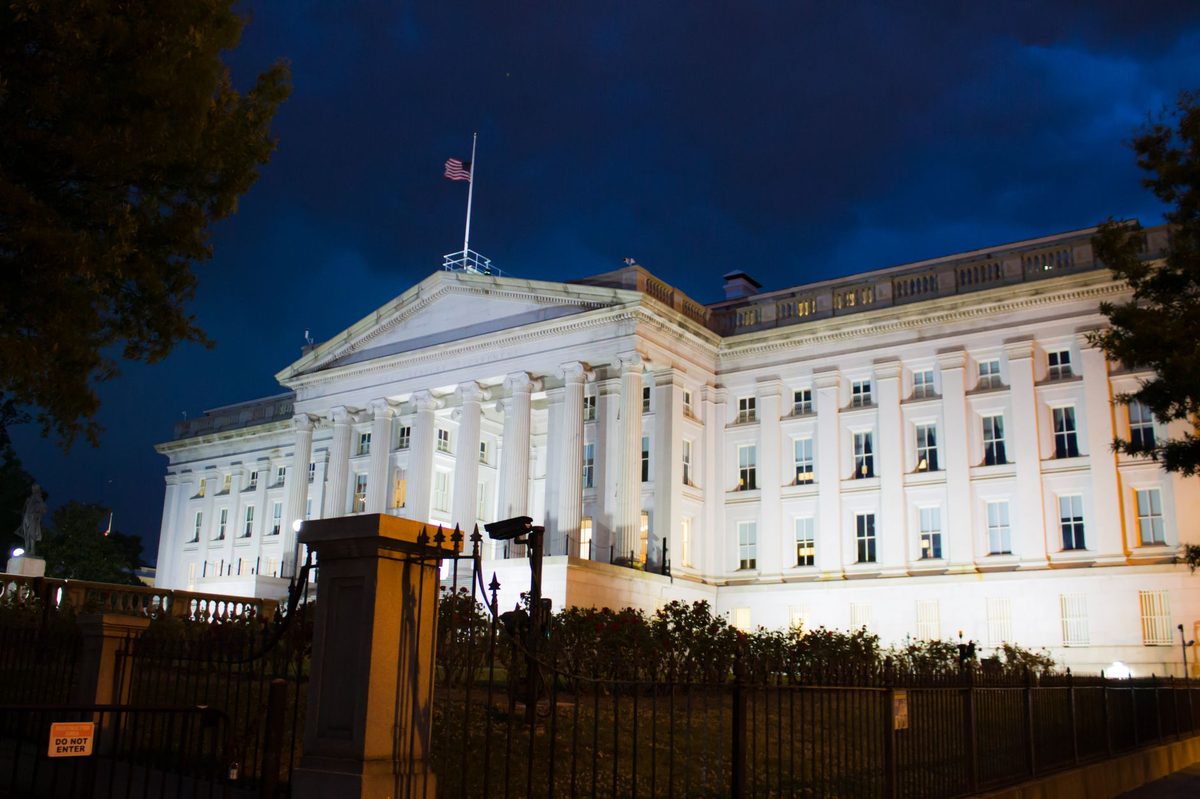
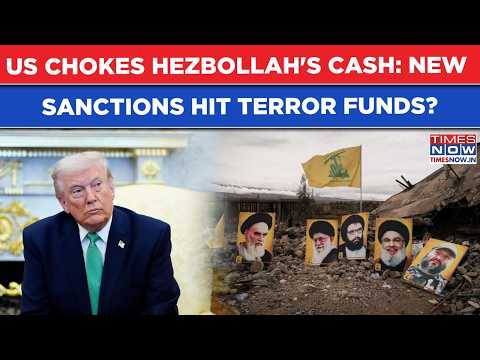
Updated YesterdayHizballah has learned to move money the way a smuggler moves gold: in suitcases, on passenger flights, far from any bank a regulator can reach. On August 19, the U.S. Treasury named 10 people it says run that pipeline, flying cash between Lebanon, Turkey, the United Arab Emirates, and Iran.
The action tries to close a gap that ordinary bank sanctions miss. When money never enters the formal financial system, freezing accounts does little. So Treasury went after the couriers and their manager instead, and did it with Turkish investigators feeding the case.
Why it matters
Cash couriers, not banks, keep an Iran-backed militia funded. This action tests whether sanctions can reach money that never touches the banking system.
Questions about this story
Free account needed to ask — your question is kept and asked for you right after sign-up. Answers are public.
No questions yet — be the first to ask.
Key Indicators
Voices
Curated perspectives — historical figures and your fellow readers.
Play
Exploring all sides of a story is often best achieved with Play.
Higher or Lower
A number from this story, against one from elsewhere in the news — guess which is bigger, then keep the chain going. 5 rounds, 3 strikes; a miss costs a strike and resets your streak.
Keyboard: ↓/L lower · ↑/H higher
0 points — sign up to put that on the leaderboard.
Connections
Sixteen names from the news. Find the four hidden groups of four. Four mistakes max.
Sign up to keep a daily streak — a new puzzle lands every day.
Exit debate?
Your progress in this debate will be lost.
- 1 Two AI personas square off on this story.
- 2 You predict who'll win each round — correct picks earn XP.
- 3 One crossfire question is yours to fire. Pick it carefully.
Couldn't generate a topic
Select Your Champions
Choose one persona for each side of the debate
DEBATE TOPIC
Choose personas with different perspectives for a more dynamic debate.
Select debater for this side:
No debate personas available right now.
Select debater for this side:
No debate personas available right now.
Who's Got This Round?
Make your prediction before the referee scores
The referee scores both sides on
Round Results
Set the Crossfire
Pick the question both personas must answer in the final round
Debate Oracle! You called every round!
Sharp Instincts! You know your debaters!
The Coin Flip Strategist! Perfectly balanced!
The Contrarian! Bold predictions!
Inverse Genius! Try betting the opposite next time!
XP Breakdown
Prediction History
People Involved
Organizations Involved
The Treasury unit that enforces U.S. economic sanctions and blacklists people and firms.
A Lebanese armed movement and political party backed by Iran and treated by the U.S. as a terrorist organization.
The overseas arm of Iran's Revolutionary Guard that funds and directs allied armed groups across the region.
Timeline
February 2025 August 2026
-
Treasury sanctions the cash courier network
Latest SanctionsOFAC designates 10 people who fly cash between Lebanon, Turkey, the UAE, and Iran, and re-designates Hizballah for operating under the Qods Force. Treasury credits Turkish cooperation.
-
Treasury targets Hizballah finance operatives
SanctionsOFAC sanctions individuals tied to Hizballah's financial institution Al-Qard al-Hassan, part of a widening effort to reach informal money channels.
-
Trump revives 'maximum pressure' on Iran
PolicyA presidential memorandum restarts a whole-of-government campaign to cut Iran's revenue and its proxies' funding.
Historical Context
3 moments from history that rhyme with this story — and how they unfolded.
Lebanese Canadian Bank case (2011)
Treasury named the Lebanese Canadian Bank a money-laundering concern, accusing it of moving hundreds of millions for a Hizballah-linked drug and cash network. The label made other banks flee. The institution was sold off and dissolved.
The bank collapsed within months and its assets were absorbed by another Lebanese lender.
It showed Treasury could destroy a whole institution used by Hizballah without firing a shot, and pushed the group further toward cash.
It explains why Hizballah now relies on couriers: once Treasury proved it could kill a bank, the group moved money outside banks.
Kassim Tajideen prosecution (2017-2019)
The U.S. arrested Kassim Tajideen, a businessman Treasury called a major Hizballah financier, and flew him to Washington. He pleaded guilty to evading sanctions and was sentenced to five years.
Tajideen forfeited $50 million and went to prison, a rare criminal case against a top Hizballah money man.
It marked a shift from freezing assets to arresting and jailing the people who run the money, the same logic behind naming couriers today.
This action targets the human links in the chain, just as the Tajideen case did, betting that people are harder to replace than accounts.
First 'maximum pressure' campaign (2018-2020)
After leaving the Iran nuclear deal, the first Trump administration reimposed sweeping sanctions on Iran and its proxies. Oil exports fell sharply and Iran's economy contracted.
Iran's revenue dropped, but Tehran kept funding regional partners through informal channels and front companies.
It set the template for the current campaign and showed both the reach and the limits of sanctions against a cash-based network.
The 2025 revival of 'maximum pressure' is the direct parent of this designation, and the courier network is exactly the kind of workaround the earlier campaign struggled to close.
