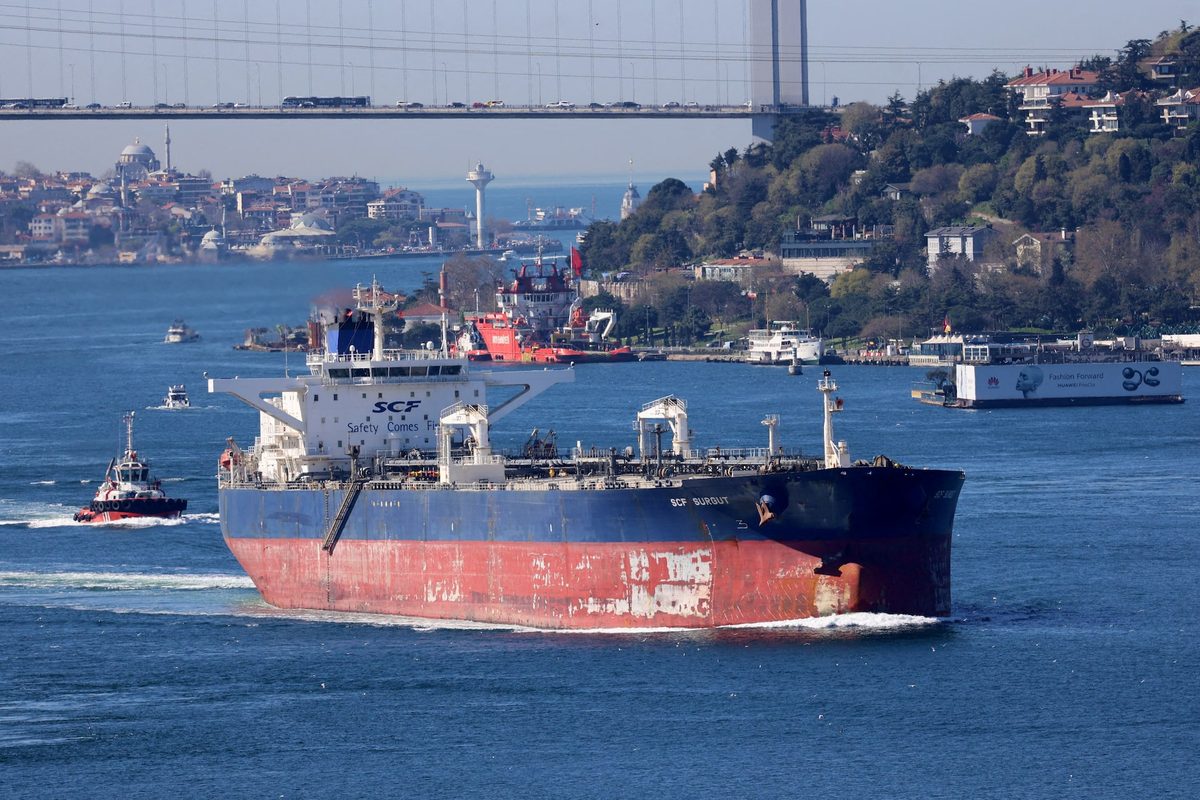
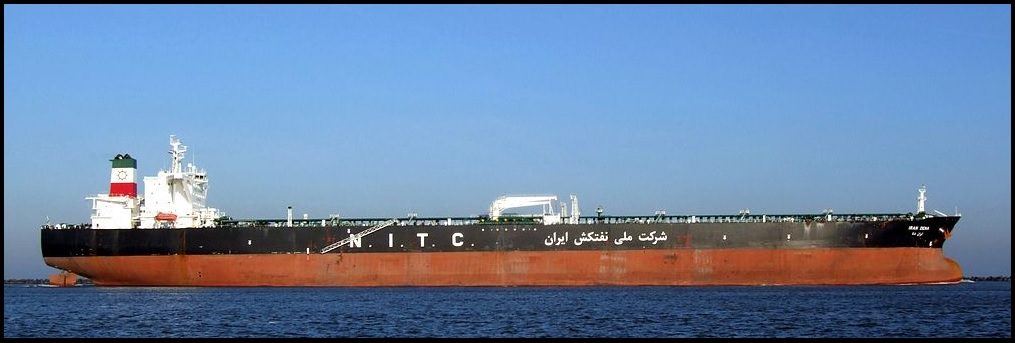
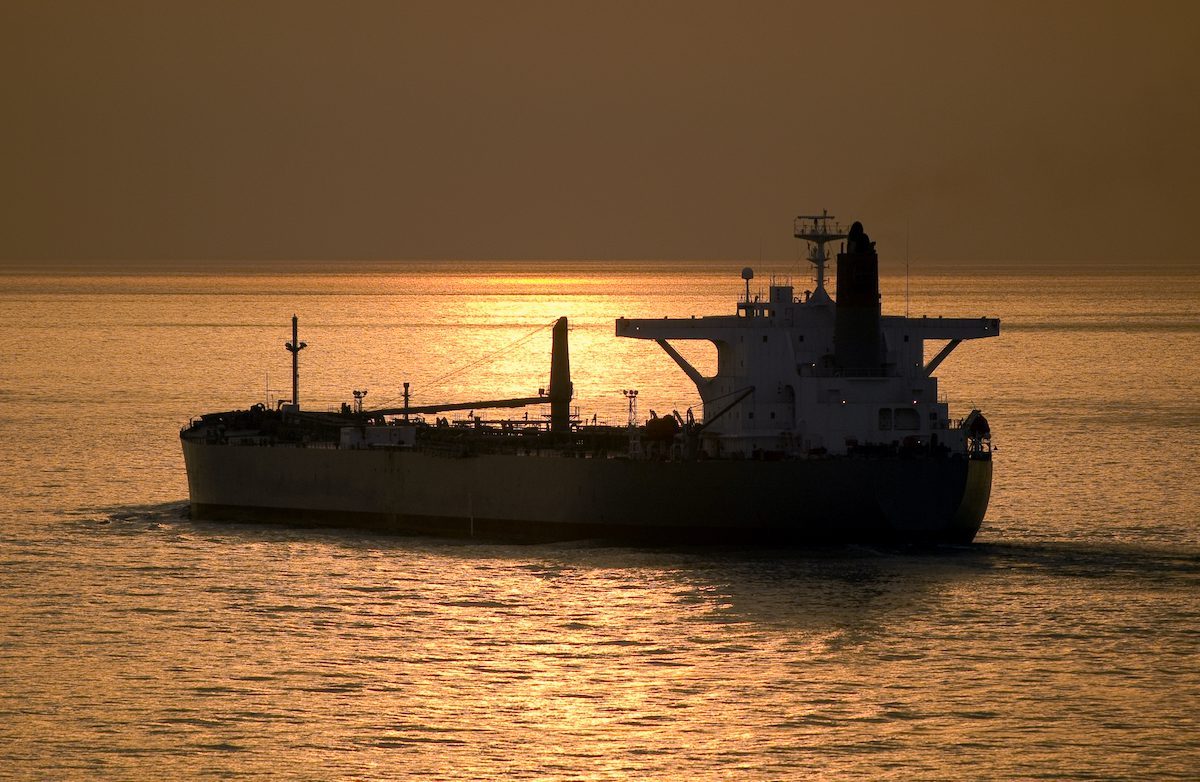
Treasury targets 29 Iran “shadow fleet” ships, turning tanker logistics into a sanctions minefield
Force in Play
The June ceasefire lasted 15 days. With the Islamabad MOU dead and the naval blockade targeting Iranian ports, Washington declared 'economic D-Day' and now threatens secondary sanctions on any country that keeps trading with Tehran.
The June ceasefire lasted 15 days. With the Islamabad MOU dead and the naval blockade targeting Iranian ports, Washington declared 'economic D-Day' and now threatens secondary sanctions on any country that keeps trading with Tehran.
Treasury's December 2025 shadow fleet designations opened a campaign that turned into war. The U.S. and Israel launched Operation Epic Fury on February 28, 2026, hitting Iran's nuclear and military sites; Treasury ran a parallel 'Economic Fury' financial campaign. On June 17, Trump and Pezeshkian signed the Islamabad Memorandum, and OFAC issued General License X five days later, authorizing Iranian oil transactions through August 21.
The relief lasted 15 days. IRGC attacks on three tankers on July 7 killed the license; it expired at 12:01 a.m. EDT on July 17, and the U.S. naval blockade resumed. Through August, CENTCOM redirected 70 commercial vessels, disabled three, and boarded two. The MOU's 60-day window closed August 16 with no revival. On August 20 Trump declared 'economic D-Day,' and four days later Treasury rolled out Operation Economic Outcast, threatening secondary sanctions on any country whose banks, businesses, or ports trade with Iran.
Why it matters
When Iran can't move its oil, its military, proxies, and weapons programs lose their main funding source.
Questions about this story
Free account needed to ask — your question is kept and asked for you right after sign-up. Answers are public.
No questions yet — be the first to ask.
Key Indicators
29
Vessels blocked in December 2025 action
Tankers linked to Iranian petroleum shipments designated in the action that launched this story arc.
250+
Vessels sanctioned since Trump resumed office
Cumulative total across designation rounds through July 2026; Economic Fury rounds in 2026 added dozens per action.
7
Vessels tied to Sakr's network
Treasury singled out Egyptian shipping businessman Hatem Elsaid Farid Ibrahim Sakr's network in the December 2025 action.
Expired
GL X1 expired July 17 (12:01 a.m. EDT)
The wind-down license expired July 17, fully restoring pre-MOU prohibition on all Iranian oil transactions. No replacement license has been issued.
5M bpd
Crude exported through Hormuz daily in July
Windward estimate of average daily crude exports via the Omani route in July, up from 1.6 million bpd in May and 4 million in June.
70
Commercial vessels redirected by US blockade since July 14
CENTCOM says it has also disabled three vessels and boarded two since the blockade resumed, with no end date set.
31 events
Latest: August 24th, 2026 · 1 month ago
Showing 8 of 31
JK to step
Tap a bar to jump to that date
Jump to
August 2026
Iran's Persian Gulf Strait Authority warns of ship fines and seizures
LatestLegal
Iran's state-controlled Persian Gulf Strait Authority warned on X that vessels violating its transit rules in the strait could face 'fines, seizure, or confiscation' during future passage attempts.
US military aided passage of 660 million barrels through Hormuz since May
Military
Windward estimated crude exports through Hormuz averaged about 5 million bpd in July, versus 1.6 million in May. The IMO counted at least 17 commercial ships attacked in and around the strait in July and August, with four sailors killed.
Iran says it has closed the strait; US insists it is open
Military
Iran said it has closed the Strait of Hormuz until the U.S. meets its obligations under the June 17 interim deal. President Trump said the strait is open and under U.S. control. Kpler data showed more than 80% of liquid transits in the prior two weeks used the Omani route.
Islamabad MOU's 60-day window closes with no revival
Diplomacy
The MOU's 60-day negotiation window ended with neither side returning to the table. Both Washington and Tehran had declared the agreement void in July, and no Qatari or Omani mediation produced a replacement framework.
Shipping through Strait of Hormuz grinds to near standstill after tanker attacks
Market
Kpler data showed five commodity vessels transited the strait on Saturday and none on Sunday, versus 31 the prior weekend. The UAE said three ADNOC-operated vessels were attacked in transit.
July 2026
GL X1 wind-down expires; all pre-MOU Iran sanctions fully restored
Rule Changes
General License X1 expired at 12:01 a.m. EDT, ending the 10-day wind-down and fully restoring pre-MOU prohibitions on all Iranian oil transactions. No replacement license was issued, completing the legal reversal of the June 22 sanctions relief.
IRGC attacks Thai-flagged ship in Strait of Hormuz
Military
The IRGC navy targeted a Thai-flagged vessel in the Strait of Hormuz after it 'ignored warnings and attempted to transit without obtaining permission,' according to IRGC-affiliated media. The attack continued Iran's pattern of hitting non-U.S. commercial vessels attempting to use the strait.
US launches sixth consecutive day of strikes; Iran hits Kuwait, Qatar, Jordan, Bahrain
Military
CENTCOM struck Iranian command centers, air defense sites, and missile and drone capabilities. Iran responded with drones and missiles targeting Kuwait, Qatar, Bahrain, and Jordan; a strike on a Kuwait desalination plant started fires and cut water supplies that 90% of Kuwaitis depend on.
US forces disable sanctioned tanker M/T Belma near Kharg Island
Military
A U.S. aircraft fired Hellfire missiles into the smokestack of the Curacao-flagged M/T Belma after it repeatedly ignored warnings while heading toward Iran's Kharg Island in violation of the naval blockade. It was the first vessel physically disabled since the blockade resumed July 14.
US reinstates naval blockade of Iranian ports; OFAC issues new designations and General License Z
Legal
CENTCOM reinstated the blockade of all Iranian ports and oil terminals at 4 p.m. ET following continued IRGC tanker attacks on July 11–13. OFAC issued new Iran-related designations targeting shadow fleet vessels and IRGC weapons procurement networks, paired with General License Z for wind-down activities.
Iran announces it will no longer comply with Islamabad MOU
Diplomacy
Iranian Foreign Ministry Spokesperson Esmail Baghaei announced Iran would not comply with the MOU because the U.S. was 'openly violating it' through continued military strikes. The announcement formally marked the MOU's collapse from Iran's side, three weeks after signing.
Treasury designates Supreme Leader's financier and Iranian shadow exchange houses
Legal
OFAC targeted Ali Ansari, a Dubai-based Iranian national who built a global real estate and commercial portfolio benefiting Iran's Supreme Leader Mojtaba Khamenei and IRGC insiders across Germany, the UK, Spain, Cyprus, and the UAE. Three Iranian currency exchange houses and their managing partners were also designated for moving billions on behalf of sanctioned Iranian banks.
Trump declares Islamabad MOU 'over' after Iran resumes tanker attacks
Diplomacy
Following Iran's strikes on multiple commercial ships in the Strait of Hormuz on July 7, Trump declared the MOU with Iran was 'over' and he did not want to continue dealing with the Iranian regime. U.S. officials separately signaled Washington remained open to future talks.
IRGC attacks three Strait of Hormuz tankers; OFAC revokes General License X
Legal
The IRGC struck Qatar's Al Rekayat LNG tanker and Saudi-flagged supertanker Wedyan, along with a third vessel. OFAC issued General License X1 the same day, revoking GL X and providing a 10-day wind-down through July 17. CENTCOM launched retaliatory strikes on Iranian military sites.
June 2026
OFAC issues General License X, authorizing Iranian oil transactions through August 21
Rule Changes
GL X authorized transactions otherwise prohibited by Iran sanctions, covering vessel management, bunkering, insurance, and cargo delivery of Iranian-origin crude oil and petroleum products. It was the financial implementation of the Islamabad MOU.
Trump and Pezeshkian sign Islamabad Memorandum, ending US-Iran military conflict
Diplomacy
Trump signed the 14-point agreement at Versailles during the G7 summit; Pezeshkian signed simultaneously in Tehran. Key terms: Iran reaffirms it will not develop nuclear weapons, the Strait of Hormuz reopens for commercial transit, and the U.S. begins lifting sanctions and its naval blockade.
Economic Fury targets Iranian LPG smuggling and shadow banking networks
Legal
OFAC designated a network shipping Iranian LPG mislabeled as Omani to buyers in South and East Asia, using UAE and China-based front companies. Shadow banking firm Geramian Exchange was also designated for moving hundreds of millions of dollars on behalf of sanctioned Iranian banks.
May 2026
Treasury sanctions IRGC's new Strait of Hormuz toll scheme
Legal
OFAC designated the IRGC's self-styled 'Persian Gulf Strait Authority,' which demanded payments from commercial vessels for Strait transit. Treasury warned that paying the toll in any form — cash, digital assets, or in-kind — triggers sanctions exposure.
Operation Epic Fury concludes after 66 days
Military
Active military operations ended following a two-week ceasefire that began April 8. Iran's nuclear and missile infrastructure was severely degraded; the U.S. had lost 39 aircraft.
February 2026
US and Israel launch Operation Epic Fury against Iran
Military
Joint US-Israeli strikes hit Iran's nuclear facilities, missile infrastructure, air defense systems, and leadership targets. Supreme Leader Ali Khamenei was killed in the opening strikes.
More ship managers, owners, and service providers get designated in waves—especially those enabling ship-to-ship transfers and Asia delivery routes. The trigger is continued evidence of Iran-linked cargo movements plus political pressure to show measurable revenue squeeze. Expect more “name-and-flag” churn by operators—and more aggressive compliance de-risking by ports, insurers, and brokers.
2
“From Paper Sanctions to Ship Seizures: U.S. Starts Taking Tankers”
Possible
Discussed by: Reuters reporting on enforcement and market disruption; White House NSPM-2 language on impounding illicit Iranian oil cargoes
Sanctions enforcement shifts from designations to physical interdiction: forfeiture cases, port detentions, and selective seizures tied to spoofing, false flags, or sanctions violations. The trigger is a high-profile evasion incident or a broader maritime-security push that reframes tankers as contraband carriers, not neutral logistics.
3
“Iran’s Oil Still Moves: New Front Companies Replace the Ones OFAC Burned”
Likely
Discussed by: Reuters reporting on resilient Iran-to-China flows and evasive logistics; shipping and compliance analysts tracking reflagging and management swaps
Iran’s exports remain surprisingly durable because the trade keeps mutating: new shell owners, swapped managers, fresh flags, longer dark periods, and more transshipment. The trigger is steady demand from price-sensitive buyers plus an ecosystem of intermediaries willing to charge higher fees for higher risk—keeping volumes afloat even as margins get squeezed.
4
"Islamabad MOU Revived: Revised Deal Returns Sanctions Relief Before August 16"
Possible
Resolves by Aug 16, 2026
Discussed by: NBC News and NPR reporting on MOU text; State Dept signals on continued negotiation willingness; Qatari and Omani mediation channels reported by Al Jazeera
Iran and the U.S. reach a revised framework before the MOU's 60-day window closes around August 16. The IRGC pulls back from Strait attacks, Oman or Qatar re-engage as mediators, and OFAC issues a replacement general license for Iranian oil. The trigger would be Iranian leadership credibly restraining IRGC behavior and providing additional nuclear transparency commitments.
5
"Naval Blockade Holds: Shadow Fleet Faces Physical Interdiction as Paper Sanctions Prove Insufficient"
Possible
Resolves by Oct 31, 2026
Discussed by: CENTCOM blockade announcement; CNN reporting on first vessel disabled by US forces near Kharg Island; White House NSPM-2 language on impounding illicit cargoes
The MOU collapses and the U.S. escalates from financial designations to physical enforcement: naval interdiction of tankers approaching Iranian ports, cargo seizures, and forced diversions. Iran's shadow fleet stops moving oil. Ships are physically intercepted rather than merely threatened with sanctions exposure. China faces direct pressure to halt imports.
6
"Gulf States Broker Emergency Deal: Kuwait and Qatar Force Revised MOU Before August 16"
Possible
Resolves by Aug 16, 2026
Discussed by: Al Jazeera reporting on Gulf state reactions to Kuwait desalination plant strike; International Crisis Group Hormuz flashpoint tracker; State Department signals on continued negotiation willingness
Iran's missile strikes on Kuwait's water infrastructure and Qatar's territory cross a line that maritime harassment didn't. Gulf states hosting U.S. bases face both the security threat and domestic pressure to end the conflict. Qatar, which hosts U.S. military facilities and maintains diplomatic channels with Tehran, could emerge as the broker for a revised framework before the 60-day window closes August 16. The trigger would be a second major civilian infrastructure attack forcing Gulf monarchies to choose between U.S. defense commitments and their geographic exposure to Iran.
7
China Defies 'Economic D-Day' and Keeps Buying Iranian Oil
Likely
Resolves by Nov 30, 2026
Discussed by: Reuters reporting on Beijing's vow to protect its interests; Al Jazeera analysis of Iran's sanctions-evasion systems
After the August 24 Operation Economic Outcast rollout, Beijing said sanctions 'do not help' and vowed to defend its interests. China's independent refineries remain the largest buyers of Iranian crude. The decisive signals will be whether any Chinese bank, broker, or refinery gets designated under the new secondary-sanctions authority, and whether Iran rebuilds evasion channels: shadow tankers, ship-to-ship transfers, shell companies, or barter.
Historical Context
3 moments from history that rhyme with this story — and how they unfolded.
1 of 3
2012-01 to 2015-07
2012–2015 Iran oil sanctions squeeze leading into the JCPOA
The U.S. and partners escalated oil and financial restrictions to isolate Iran’s exports and banking channels. Iran kept selling, but discounts widened and payment pathways became more complex and costly.
Then
Iran’s accessible oil revenue fell and trade frictions rose across shipping and finance.
Now
Sanctions pressure became leverage in negotiations that produced the 2015 nuclear deal.
Why this matters now
It shows how sustained logistics-and-finance pressure can become bargaining leverage without stopping all exports.
2 of 3
2018-05 to 2020-12
2018–2020 “maximum pressure” and the rise of evasive maritime tactics
After the U.S. exited the JCPOA, Iran leaned harder on covert shipping: reflagging, shell ownership, spoofed tracking, and ship-to-ship transfers. Enforcement became a cat-and-mouse cycle between designations and adaptation.
Then
Legal risk spread to global shippers, insurers, and ports—even beyond Iran-specific trade.
Now
A durable sanctions-evasion playbook formed and is now reused across multiple sanctioned regimes.
Why this matters now
Today’s shadow-fleet crackdown is fighting a system engineered during the last maximum-pressure era.
3 of 3
2022-02 to present
2022–present: Russia’s “shadow fleet” and sanctions-driven shipping distortions
Western sanctions pushed Russian crude into alternative shipping and service ecosystems, expanding opaque ownership and non-Western insurance. The market adapted, but the cost was a larger, older, riskier fleet operating outside normal governance.
Then
Shipping rates and compliance costs rose as sanctioned tonnage left the mainstream market.
Now
A parallel maritime economy grew—creating safety, environmental, and enforcement challenges.
Why this matters now
Iran’s shadow fleet is part of the same global trend: sanctions reshape shipping, not just trade.