

Pull to refresh
Logo
Italian parliament approves return to nuclear power

Italian parliament approves return to nuclear power

Rule Changes

Definitive Senate vote hands the government a year to draft reactor rules, 39 years after a referendum closed Italy's plants

Yesterday: Senate approves nuclear law in final vote

Overview

Updated Yesterday

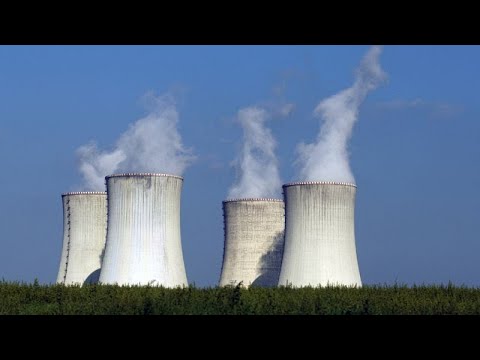
Italy's Senate voted 81–51 on September 23 to give the government the legal authority to restart nuclear power generation. It's the country's first legal path back to atomic energy since a 1987 referendum, held after the Chernobyl disaster, closed its four reactors.

The law is a delegation, not a construction permit. It gives the government 12 months to write decrees on reactor licensing, safety standards, and radioactive waste storage, and targets new small modular reactors. Energy Minister Gilberto Pichetto Fratin says the first units could run by 2033–2034.

The government estimates nuclear could supply at least 11% of Italy's energy mix by 2050, saving about €17 billion in decarbonization costs, with the share potentially rising to 22%. Opposition parties voted against the measure, and reactor siting plus a still-unbuilt national waste repository remain unresolved.

Why it matters

European electricity prices, Italy's gas import bill, and the continent's climate targets all shift if Rome actually builds these reactors.

Questions about this story

Free account needed to ask — your question is kept and asked for you right after sign-up. Answers are public.

No questions yet — be the first to ask.

Key Indicators

81–51
Senate vote on nuclear law
Final approval vote, with seven abstentions, ending 39 years of nuclear prohibition.
12 months
Deadline for implementing decrees
Government must adopt reactor licensing, safety, and waste rules within a year.
11%
Target nuclear share of energy mix by 2050
Government projection; the share could eventually reach 22%.
€17 billion
Estimated decarbonization savings by 2050
Government's 2025 plan estimate, in euros.
2033–2034
Expected date for first reactors
Pichetto Fratin's estimate based on expert assessments.

Voices

Curated perspectives — historical figures and your fellow readers.

Ever wondered what historical figures would say about today's headlines?

Sign up to generate historical perspectives on this story.

People Involved

Organizations Involved

Timeline

November 1987 September 2026

5 events Latest: Yesterday
Tap a bar to jump to that date
  1. Senate approves nuclear law in final vote

    Latest Legislation

    Senate passes 81–51 with seven abstentions; law now heads for formal signature.

  2. Chamber of Deputies passes the delegation bill

    Legislation

    Lower house approves the measure, sending it to the Senate for a final vote.

  3. Meloni government outlines nuclear restart plan

    Policy Announcement

    Cabinet presents delegation bill targeting small modular reactors; projects 11% of energy mix by 2050.

  4. Fukushima prompts second referendum against nuclear

    Referendum

    Italians reject Silvio Berlusconi's nuclear restart plans after the Japan accident.

  5. Referendum ends Italy's nuclear program

    Referendum

    Voters back closing Italy's four reactors after the Chernobyl disaster.

Scenarios

1

Italy adopts nuclear decrees, SMR program moves forward

Likely Resolves by Q3 2027

Discussed by: Government officials including Energy Minister Pichetto Fratin

The government writes the implementing decrees covering reactor licensing, safety standards, waste management, and siting criteria within the law's 12-month window. Pichetto says decrees could arrive by the end of 2026. With rules in place, the government can seek private partners for small modular reactor projects and begin site selection, keeping the 2033–2034 startup target within reach.

2

Decree timeline slips under local, legal, and EU pressure

Possible Resolves by Q1 2028

Discussed by: Five Star Movement, environmental opponents, energy analysts

Local resistance to reactor siting, the unresolved national waste repository, or EU procedural reviews push the decree process past its deadline. Construction targets slide from 2033–2034 toward the late 2030s, and private investors grow cautious about committing capital to projects without clear regulatory closure.

3

Anti-nuclear referendum forces another public vote

Unlikely Resolves by End of 2029

Discussed by: Anti-nuclear movements; political precedent since 1987

Citizens' groups and opposition parties gather the 500,000 signatures needed to petition an abrogative referendum, as happened in 1987 and 2011. If scheduled, the referendum could overturn the law before any reactor is built, repeating the pattern that has blocked nuclear power in Italy twice before.

Historical Context

3 moments from history that rhyme with this story — and how they unfolded.

1980 – January 2024

Sweden reverses its nuclear phase-out (1980–2024)

Sweden voted in a 1980 advisory referendum to phase out nuclear power but never fully did. In 2010 it repealed the ban on new reactor construction, and in late 2023 voted to build up to 10 new reactors, targeting a major expansion.

Then

Sweden now plans one of Europe's largest nuclear expansions.

Now

The country went from a phase-out vote to a government-set target of doubling nuclear output.

Why this matters now

Sweden is the European precedent for reversing a long-standing anti-nuclear commitment, showing the path Italy is now attempting.

April 1986 – November 1987

Chernobyl and Italy's 1987 referendum (1986–1987)

The April 1986 Chernobyl disaster spread radioactive fallout across Europe. In November 1987, Italian voters approved a referendum that effectively ended the country's civilian nuclear program, leading to the closure of Italy's four operating reactors.

Then

Italy's nuclear plants were shut down and construction projects scrapped.

Now

Italy has had no civilian nuclear fleet for nearly four decades and still lacks a permanent repository for waste from its old plants.

Why this matters now

This referendum is exactly what the 2026 law reverses. Politicians now argue that reactor technology and safety regimes have changed since 1987.

March–June 2011

Fukushima and Italy's 2011 referendum (2011)

After the nuclear accident at Fukushima, Italy's then-Prime Minister Silvio Berlusconi had planned a nuclear comeback. Voters rejected those plans in a June 2011 referendum, again blocking atomic power.

Then

Nuclear plans were shelved and a ban on new plants confirmed.

Now

The vote reinforced Italy's anti-nuclear consensus for another decade and shaped the current opposition's position.

Why this matters now

Italians rejected nuclear as recently as 2011. The 2026 law must overcome that legacy and a generation of voters who associate atomic energy with catastrophe.

Sources

(11)