


Pull to refresh
Logo
Tokyo court rules ban on under-18s' election campaigning unconstitutional

Tokyo court rules ban on under-18s' election campaigning unconstitutional

Rule Changes

First judicial ruling on the 74-year-old restriction; appeal expected

Today: Tokyo court rules campaign ban unconstitutional

Overview

Updated 38 minutes ago

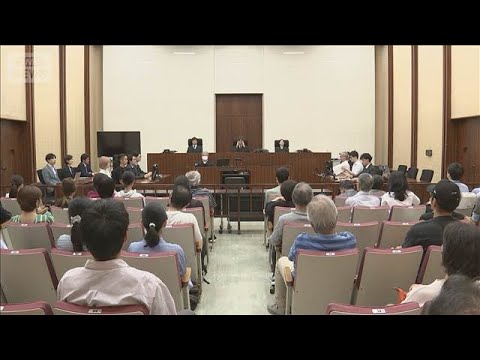
Japan has barred anyone under 18 from handing out flyers, phone-banking, or posting for candidates since 1952. On September 25, 2026, the Tokyo District Court became the first court to rule that blanket ban unconstitutional.

The court kept limits: candidates still can't deploy minors as campaign workers, and the four student plaintiffs got no damages. But with the penalty gone, teens can campaign voluntarily for the first time. The government is expected to appeal, and Japan's Supreme Court has struck down laws only about a dozen times since 1947.

Why it matters

If the ruling sticks, Japanese minors can campaign for candidates for the first time since 1952, without criminal penalties or loss of voting rights.

Questions about this story

Free account needed to ask — your question is kept and asked for you right after sign-up. Answers are public.

No questions yet — be the first to ask.

Key Indicators

4
Plaintiffs
Students aged 16-18 when they filed suit in February 2025.
1952
Year the campaign ban took effect
The under-18 prohibition was added to the Public Offices Election Act in 1952, seven decades before this ruling.
1 yr / ¥300K
Penalty for under-18 campaigning
Former maximum penalty: one year's imprisonment plus a ¥300,000 fine and five-year civil rights suspension.
First
Court ruling on the provision
No court had previously ruled on the constitutionality of the ban.

Voices

Curated perspectives — historical figures and your fellow readers.

Ever wondered what historical figures would say about today's headlines?

Sign up to generate historical perspectives on this story.

People Involved

Organizations Involved

Timeline

January 1952 September 2026

5 events Latest: Today
Tap a bar to jump to that date
  1. Voting age lowered from 20 to 18

    Rule Change

    Japan cuts the voting age to 18 for the first time since 1945; the under-18 campaign ban stays in force.

  2. Japan legalizes internet election campaigning

    Rule Change

    The Diet lifts a blanket ban on using the internet, including email, blogs, and social media, to campaign.

  3. Diet bans under-18s from election campaigning

    Rule Change

    The Diet amends the Public Offices Election Act to prohibit anyone under 18 from campaign activities, with criminal penalties.

Scenarios

1

Appeals court upholds the campaign ban

Likely Resolves by Q2 2028

Discussed by: Government legal strategy; Japanese judicial observers noting the Supreme Court's record

The Justice Ministry or Ministry of Internal Affairs appeals to the Tokyo High Court. Japan's Supreme Court has declared laws unconstitutional only about a dozen times since 1947, mostly in election apportionment cases, so a higher court could uphold the ban and return the law to its prior state. The district ruling is only binding within its jurisdiction, and prosecution for under-18 campaigning could resume.

2

Unconstitutionality ruling survives appeal

Possible Resolves by Q2 2028

Discussed by: Plaintiffs' legal team (LEDGE) and youth political participation advocates

The government appeals, but the Tokyo High Court and then the Supreme Court confirm the district ruling, permanently striking the penalized prohibition. Minors would then campaign freely within the law's other constraints, while the separate ban on candidates using minors as campaign labor would remain. The precedent could also push a broader review of campaign restrictions.

3

Diet amends election law to let minors campaign

Possible Resolves by End of 2027

Discussed by: Japanese political parties; recent Diet proposals on youth participation

Rather than rely on the courts, the Diet amends the Public Offices Election Act to permit under-18s to campaign, possibly with limits focused on digital tools or with protections against using minors as campaign labor. Momentum follows the ruling and ongoing debates about youth political participation that began with the 2016 voting-age cut.

Historical Context

2 moments from history that rhyme with this story — and how they unfolded.

April 2013

Japan legalizes internet election campaigning (2013)

Before April 2013, Japan banned essentially all internet-based election campaigning. Candidates and citizens alike could not use email, blogs, or social media to campaign. The Diet amended the Public Offices Election Act to legalize net campaigning ahead of that July's upper-house election.

Then

Political communication moved online, with parties opening social media accounts and digital operations.

Now

It began a pattern of Japan loosening campaign-speech restrictions channel by channel, with the Diet and courts repeatedly redrawing what counts as protected expression during campaigns.

Why this matters now

Like the 2013 change, today's ruling narrows a blanket speech restriction during campaign periods. Together they show Japan gradually expanding who can speak and how, one channel at a time.

June 2016

Japan lowers voting age to 18 (2016)

Japan cut the voting age from 20 to 18, the first change since 1945, letting 18- and 19-year-olds vote in the 2016 House of Councillors election. The amendment to the Public Offices Election Act passed in 2015.

Then

Youth voting became a policy focus, and turnout among newly eligible voters was tracked closely in the 2016 upper-house election.

Now

The change set a precedent that political-participation ages could move, and put the under-18 campaign ban in sharper relief: a 18-year-old could vote, but a younger teenager could not publicly voice support for a candidate.

Why this matters now

The 2016 voting-age cut created the inconsistency today's lawsuit attacks — a teenager old enough to vote and form political views is barred by a separate law from supporting a candidate during a campaign period.

Sources

(6)