



Noncitizen voting in early America
All 13 original states allowed noncitizen voting in some fashion in the early days of the republic. Noncitizen voting was common — including property-owning immigrants who were permitted to vote in federal elections in some states. The practice faded through the 19th century as states gradually imposed citizenship requirements, driven by waves of anti-immigrant sentiment.
States gradually adopted citizenship requirements for voting during the 1800s, eliminating the practice state by state.
By the time Congress enacted § 611 in 1996, all states had long required citizenship to vote — but the constitutional question of who holds the power to set that requirement was never settled until now.
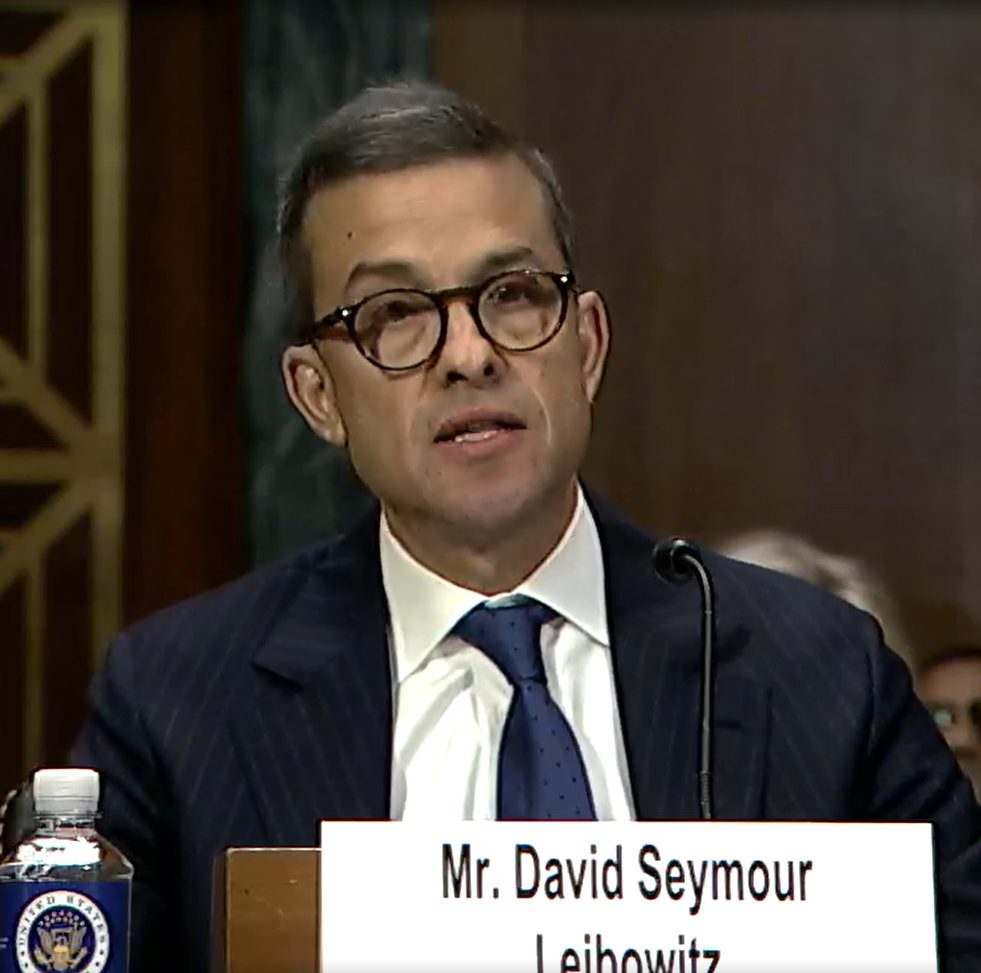
Leibowitz's ruling draws on this history: if states had always held the power to set voter qualifications, Congress's 1996 attempt to criminalize noncitizen voting was a federal overreach into reserved state authority.