
Pull to refresh
Logo
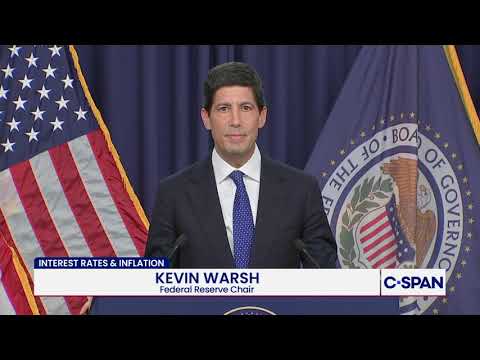
Fed hikes rates for first time in three years, overruling Trump

Fed hikes rates for first time in three years, overruling Trump

Money Moves

Kevin Warsh, the president's own appointee, leads a unanimous vote to raise borrowing costs as inflation sticks above target

Today: Trump condemns hike, gas protests spread

Overview

Updated 1 hour ago

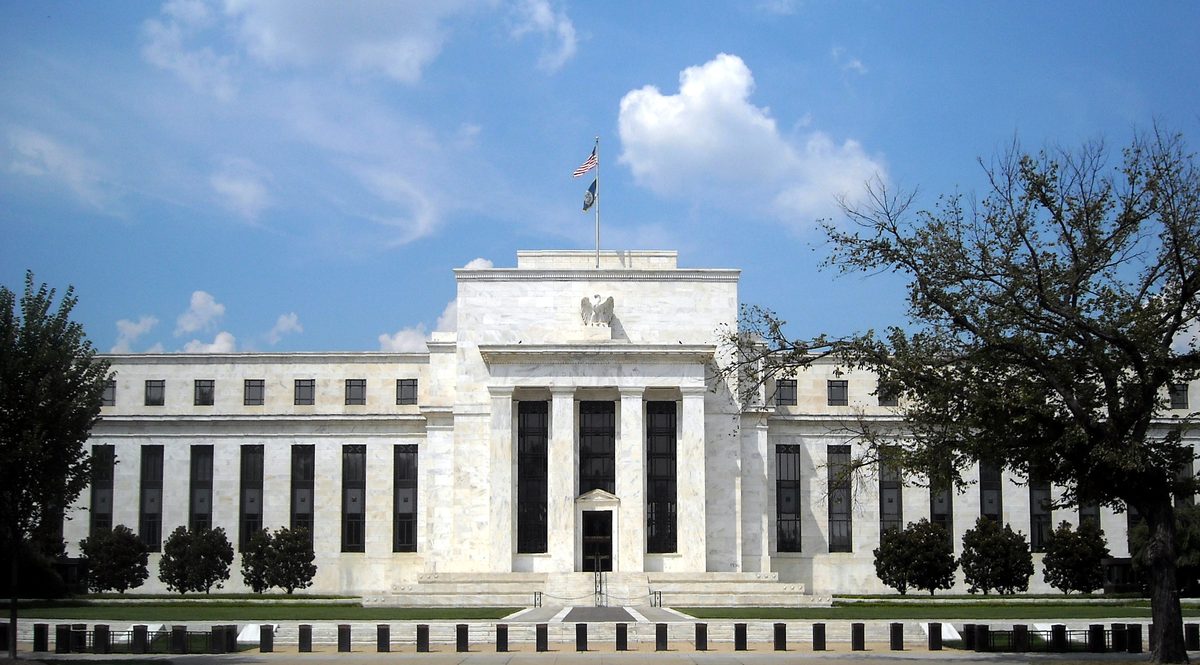
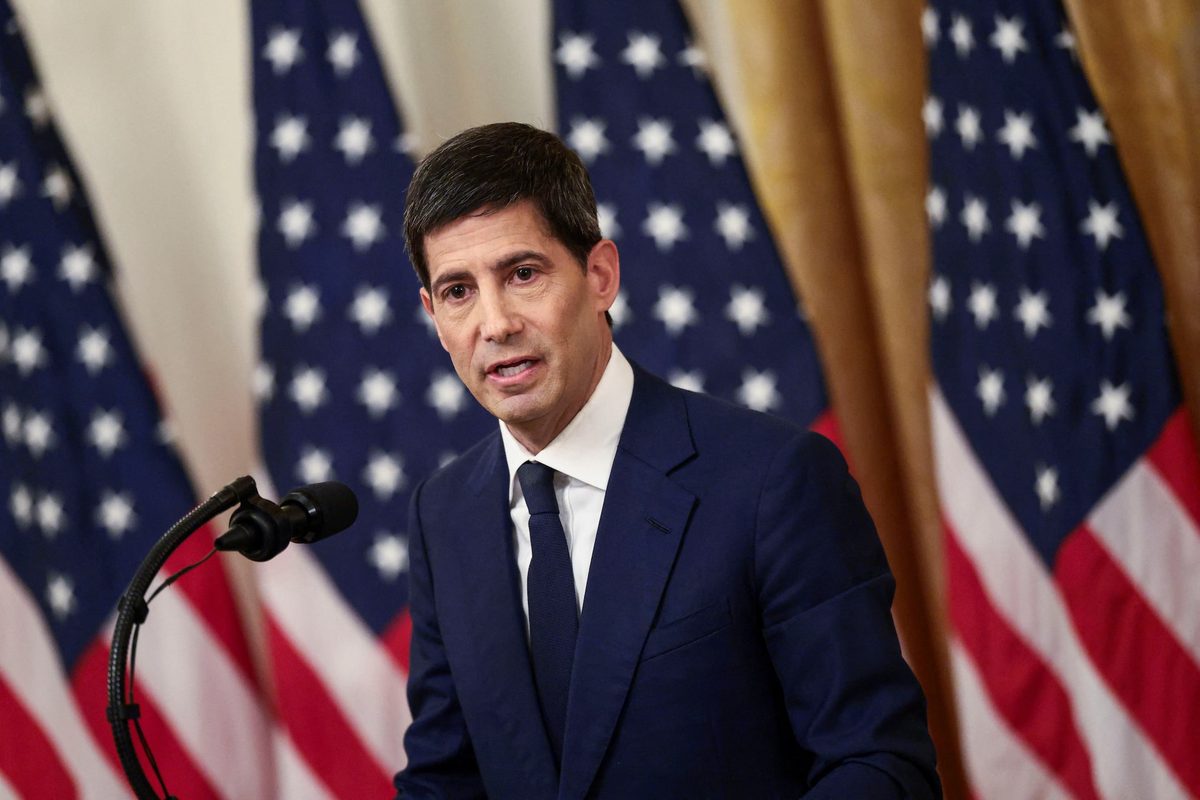
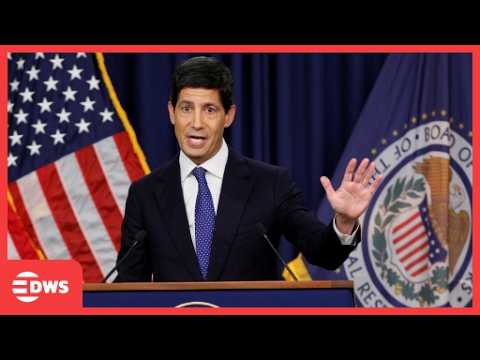
The Federal Reserve raised its benchmark interest rate by a quarter point to a range of 3.75% to 4.00% on Wednesday—the first hike since July 2023. The vote was unanimous, and the chair who led it, Kevin Warsh, was appointed by the president now demanding cuts.

Warsh said inflation has been "too high, and has been for too long," citing the Iran war's energy shocks, tariff policy, and the AI investment boom as forces keeping prices elevated. The Fed's own forecast shows at least one more hike likely before year-end, with a return to its 2% target not expected until 2029. Every mortgage, car loan, and credit card in America gets more expensive as a result.

Why it matters

The Fed just made borrowing more expensive for every American household, at a moment when gas prices and grocery bills are already stretching budgets.

Questions about this story

Free account needed to ask — your question is kept and asked for you right after sign-up. Answers are public.

No questions yet — be the first to ask.

Key Indicators

3.75–4.00%
Fed benchmark rate range after hike
Up 25 basis points from 3.50–3.75%.
12 of 18
Fed policymakers expecting another 2026 hike
Four expect two more hikes this year, per the Summary of Economic Projections.
3.7%
Forecast 2026 PCE inflation
The Fed's preferred inflation gauge, still nearly double the 2% target.
$4.37
Average US gasoline price per gallon
Up from $4.22 a week earlier; diesel averages $6.31.
2029
Earliest expected return to 2% inflation
Per most Fed policymakers' projections in the SEP.

Voices

Curated perspectives — historical figures and your fellow readers.

Ever wondered what historical figures would say about today's headlines?

Sign up to generate historical perspectives on this story.

People Involved

Organizations Involved

Timeline

July 2023 September 2026

8 events Latest: Today
Tap a bar to jump to that date
  1. Trump condemns hike, gas protests spread

    Today Fallout

    Trump calls it a 'raise against Trump'; protests over gas prices held worldwide; US average gasoline hits $4.37.

  2. Fed raises rates 25 basis points

    Monetary Policy

    Unanimous 12-0 vote lifts rate to 3.75–4.00%, first hike since July 2023 despite Trump's opposition.

  3. July PCE inflation holds at 3.7%

    Data Release

    Fed's preferred inflation gauge sticks far above the 2% target, making a hike near-certain.

  4. Policymakers signal possible hike

    Signaling

    Growing faction of Fed officials indicates a hike may be needed as inflation stays elevated.

  5. Kevin Warsh becomes Fed chair

    Leadership Change

    Trump appointee takes over from Jerome Powell; Warsh had suggested rate cuts while under consideration.

  6. Fed holds rates steady

    Monetary Policy

    Committee chooses to wait and gauge war-driven energy shocks and tariff effects on prices.

  7. Iran war begins pushing energy prices up

    Conflict

    War in Iran sends oil prices climbing, raising gas prices and feeding inflation through 2026.

  8. Fed raises rates to 5.25–5.50%

    Monetary Policy

    The last hike before the three-year pause; the Fed then held rates through the 2024–2026 period.

Scenarios

1

Fed hikes again before year-end

Likely Resolves by Dec 16, 2026

Discussed by: AFP, Bloomberg; 12 of 18 FOMC policymakers in the Summary of Economic Projections

The median SEP projection of a 4.1% year-end rate implies at least one more quarter-point hike at the December meeting. Trigger: oil prices stay elevated from the Iran war and PCE inflation fails to fall meaningfully.

2

Trump escalates war on Fed independence

Possible Resolves by Jan 20, 2027

Discussed by: Bloomberg, Morning Brew

Trump could push to fire Warsh, pressure senators on Fed reform legislation, or nominate new governors to shift the committee's balance. Warsh's tenure is protected by statute—the Fed chair can only be removed "for cause"—so any removal attempt would face likely legal challenge.

3

Inflation cools, Fed holds steady into 2027

Unlikely Resolves by Q1 2027

Discussed by: Market observers cited in Morning Brew

If oil prices retreat as the Iran war de-escalates and tariff effects fade, the December hike could be the last. The Fed would hold through mid-2027 to confirm the 2% path before any cut becomes possible.

Historical Context

3 moments from history that rhyme with this story — and how they unfolded.

October 1979 – August 1982

1979–82 Volcker disinflation

Paul Volcker, appointed by Jimmy Carter, raised the federal funds rate to 20% to break double-digit inflation. His policy triggered the deepest recession since the Depression, with unemployment above 10%, but inflation fell from 14.8% to under 4%.

Then

Severe recession, heavy political criticism, including death threats and protests at the Fed building.

Now

Credibility earned by the Fed made its 2%-style inflation targeting possible for decades afterward. Volcker became the benchmark for Fed independence.

Why this matters now

The trade-off is the same today: tougher action now to break sticky inflation, accepting near-term economic pain in exchange for stable prices later.

February 1994 – February 1995

1994 Greenspan preemptive tightening

Alan Greenspan raised rates seven times in a year, starting before inflation visibly appeared, to head off a boom. The first hike caught markets by surprise and triggered a bond market selloff.

Then

The economy slowed but avoided recession, and inflation stayed contained through the 1990s expansion.

Now

Established the playbook of acting early against inflation pressure rather than waiting for price data to confirm it.

Why this matters now

Today's hike is a delayed version of Greenspan's play: the Fed waited to see the inflation stick, then moved. The question is whether waiting made the required tightening larger.

December 2015 – July 2019

2018–19 Powell rate hikes under Trump pressure

Jerome Powell raised rates four times in 2018 as the economy strengthened, drawing repeated public attacks from Trump, who called the Fed "my biggest threat." Powell kept hiking anyway. The cycle ended with three cuts in 2019 as growth slowed.

Then

Rates peaked at 2.25–2.50% before reversing; the Fed maintained its independence through the public pressure campaign.

Now

Established precedent that presidential criticism, however harsh, does not move FOMC votes. Trump later nominated Powell to a second term.

Why this matters now

Shows the pattern when a president attacks a sitting Fed chair over rates: the committee holds its course, and markets largely price in the outcome before it lands.

Sources

(6)