


Pull to refresh
Logo
Judge dismisses Chegg and Penske antitrust suits over Google AI search

Judge dismisses Chegg and Penske antitrust suits over Google AI search

Rule Changes

Court finds publishers had an expectation of search traffic, not an agreement with Google—and says antitrust law can't fix AI disruption

5 days ago: Judge dismisses Chegg and Penske suits

Overview

Updated 1 hour ago

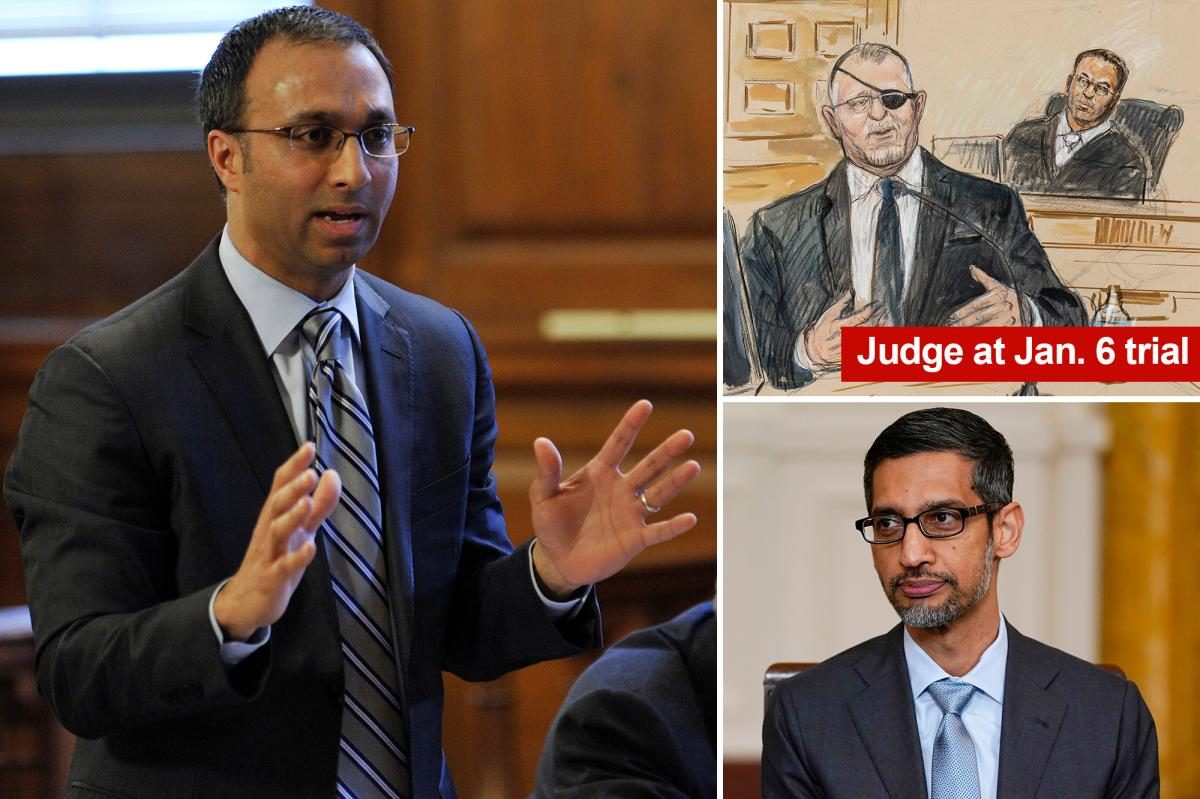
A federal judge dismissed antitrust lawsuits from Chegg and Penske Media, the owner of Rolling Stone and Variety, over Google's AI Overviews. Judge Amit Mehta ruled the publishers never struck a deal with Google—they only had an expectation that indexing their content would bring search traffic, and an expectation is not an agreement.

The ruling leaves websites no antitrust remedy when AI summaries keep readers from clicking through and cutting ad revenue. Mehta said he is not unsympathetic to publishers, but antitrust law is written for existing markets, and closing the gap is Congress's job.

Why it matters

Publishers that feed Google's search results have no antitrust remedy when AI summaries keep readers away—any fix must come from Congress or regulators.

Questions about this story

Free account needed to ask — your question is kept and asked for you right after sign-up. Answers are public.

No questions yet — be the first to ask.

Key Indicators

6
Federal antitrust claims dismissed
Reciprocal dealing, tying, monopoly maintenance, monopoly leveraging, and attempted monopolization claims all failed at the pleading stage.
2
Publisher lawsuits dismissed
Chegg and Penske Media both lost, joining a third publisher case Mehta rejected in March 2026.
Sections 1 and 2
Sherman Antitrust Act sections cited
Both the agreement-based and monopoly-based theories of liability failed for lack of a plausible bargain or standing.

Voices

Curated perspectives — historical figures and your fellow readers.

Ever wondered what historical figures would say about today's headlines?

Sign up to generate historical perspectives on this story.

People Involved

Organizations Involved

Timeline

2025 September 2026

4 events Latest: 5 days ago
Tap a bar to jump to that date

Scenarios

1

Publishers appeal and DC Circuit revives the claims

Possible Resolves by Q3 2027

Discussed by: Searchenginejournal, which noted the dismissal order is final and appealable

Chegg and Penske can take the case to the US Court of Appeals for the District of Columbia Circuit. A reversal would require the appeals court to find an implicit agreement between publishers and Google, or a separate product market for AI Overviews—both of which Mehta called implausible on the record he assembled.

2

EU or UK regulators impose compensation rules

Likely Resolves by End of 2027

Discussed by: Press Gazette and Ars Technica, which note the European Commission is reviewing the same questions and the UK's CMA already ordered an opt-out

London's Competition and Markets Authority has already forced Google to let sites opt out of AI features. The European Commission is weighing similar rules. A binding EU or UK decision requiring licensing or compensation would hand publishers what US courts refused.

3

Congress writes new rules for AI content use

Uncertain Resolves by End of 2028

Discussed by: Mehta's opinion, which says closing the gap is a legislative task; publisher lobbying groups

Mehta explicitly said antitrust law is written to govern existing markets, not new uses like AI summaries. A federal statute requiring compensation or opt-out rights for content used in AI search features would override the court's result. Legislative action remains slow and uncertain, and no bill has advanced this year.

Historical Context

3 moments from history that rhyme with this story — and how they unfolded.

2005–2015

Authors Guild v. Google (2015)

The Authors Guild sued Google over its project to scan millions of library books for search indexing. The Second Circuit ruled the scanning was fair use, because Google displayed only snippets and offered no direct substitute for the books.

Then

Google kept its book-search project; the Authors Guild got no damages.

Now

Set the precedent that indexing and displaying snippets of others' content for search is not infringement, pushing compensation fights to lawmakers.

Why this matters now

Another case where courts refused to stretch old law to punish Google for using content in search, leaving the pay question to Congress—exactly the path Mehta points publishers toward.

2020–2024

United States v. Google (2024)

Judge Mehta ruled in the Department of Justice's antitrust case that Google illegally maintained a monopoly in general search through exclusive distribution deals. The same judge who found Google a monopolist presided over the publisher dismissals.

Then

A remedies phase is ongoing, potentially reshaping how Google distributes search.

Now

Established in court that Google holds a search monopoly, but only consumer harm in that market counts as antitrust injury.

Why this matters now

Shows the line Mehta draws: harm to consumers in the search market is antitrust harm, but financial harm to downstream publishers in content markets is not.

1976–1984

Sony Corp. v. Universal City Studios (1984)

Universal and Disney sued Sony over its Betamax video recorder, arguing the device enabled infringement. The Supreme Court ruled that time-shifting TV programs was fair use and that a technology with substantial lawful uses could not be banned.

Then

Home video recording took off; Hollywood later built a business selling rentals and tapes.

Now

Courts repeatedly declined to outlaw new technology, pushing rights holders to seek payment through Congress and licensing deals.

Why this matters now

The same pattern recurs: judges decline to stretch old law to new technology, so the compensation battle moves to legislators and private deals—now playing out with AI summaries.

Sources

(8)