
Pull to refresh
Logo
Judge dismisses Michigan antitrust suit accusing oil giants of blocking renewables

Judge dismisses Michigan antitrust suit accusing oil giants of blocking renewables

Rule Changes

Federal court finds alleged conspiracy too far removed from energy overcharges to prove causation

Yesterday: Federal judge dismisses Michigan's suit

Overview

Updated 2 hours ago

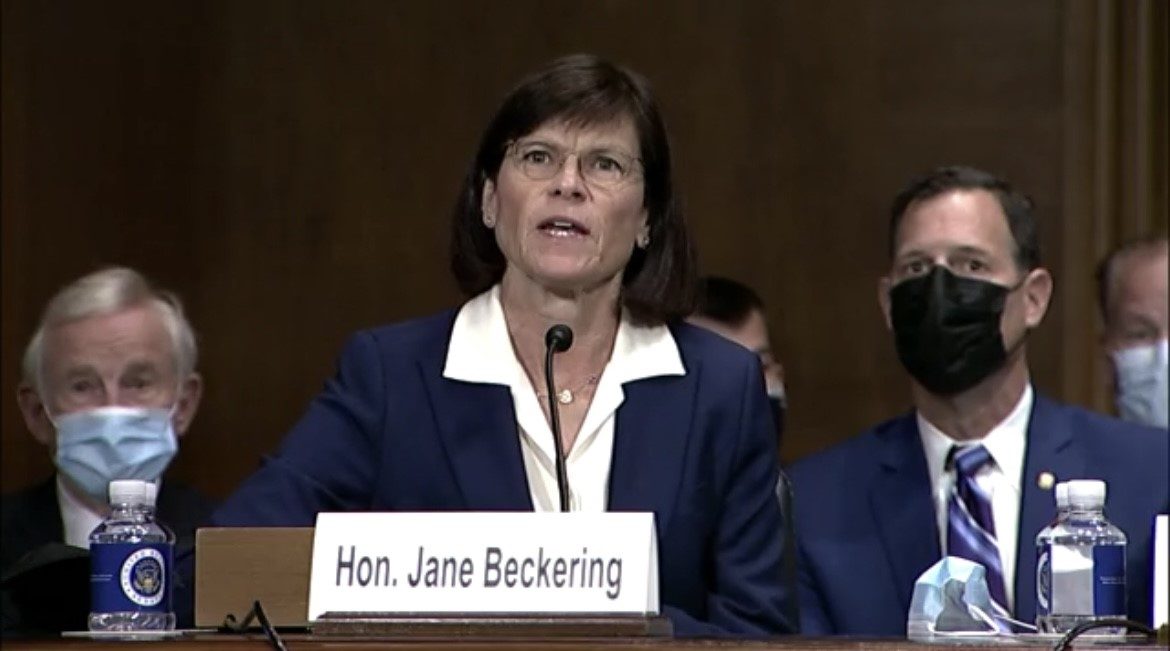
A federal judge dismissed Michigan's antitrust lawsuit against five major oil companies on September 22, ruling the state could not show the firms' alleged conspiracy to suppress renewable energy caused its residents' higher energy costs. US District Judge Jane Beckering wrote that antitrust law protects almost none of the injuries Michigan cited, and the causal chain from a decades-old alleged conspiracy to today's prices was too long.

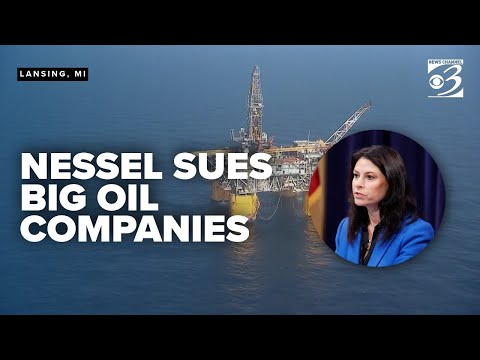
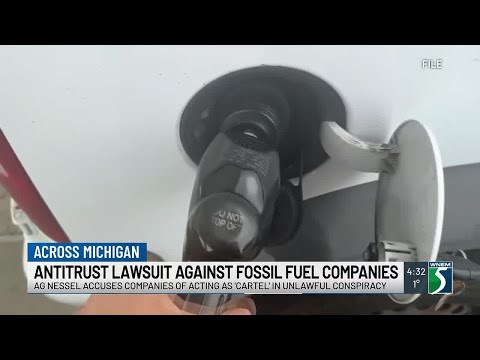
The ruling extends a losing streak for climate litigation in federal court. Michigan's approach was unusual: instead of the nuisance claims most states and cities have tried, Attorney General Dana Nessel used antitrust law, alleging a cartel that inflated energy prices by blocking wind, solar, and electric vehicle competition. Beckering found the theory too speculative, citing forces beyond company control — technology shifts, investor decisions, fossil fuel supply — that shape energy prices.

Why it matters

The ruling closes antitrust law as a route for climate plaintiffs, leaving state-court nuisance suits as the remaining test.

Questions about this story

Free account needed to ask — your question is kept and asked for you right after sign-up. Answers are public.

No questions yet — be the first to ask.

Key Indicators

36
State and local climate lawsuits against oil companies
Roughly three dozen governments have sued oil companies over climate damages; most are in state courts.
0
Climate antitrust suits that survived dismissal
No climate antitrust claim has reached trial; courts have dismissed every such suit to date.
242
Time from filing to dismissal
Michigan filed on January 23; Judge Beckering dismissed on September 22.

Voices

Curated perspectives — historical figures and your fellow readers.

Ever wondered what historical figures would say about today's headlines?

Sign up to generate historical perspectives on this story.

People Involved

Organizations Involved

Timeline

January 2026 September 2026

2 events Latest: Yesterday

Scenarios

1

Sixth Circuit hears appeal in Michigan climate antitrust suit

Possible Resolves by Q2 2027

Discussed by: Legal analysts tracking state climate litigation; the ok.com analysis notes the Sixth Circuit has previously upheld dismissals of similar climate claims

Michigan has 30 days from the dismissal — until roughly October 22 — to file a notice of appeal. If it does, the Sixth Circuit would review Beckering's causation ruling. The appeals court has already rejected climate claims from local governments, so an affirmance is plausible. But an appeal would force the court to confront whether any antitrust theory can bridge the gap between corporate conduct and consumer prices.

2

Michigan abandons suit after dismissal

Possible Resolves by Nov 15, 2026

Discussed by: Court watchers noting Nessel's office has not announced next steps

If Nessel declines to appeal within the 30-day window and does not file an amended complaint, the case ends. Beckering's ruling suggests the causation problem is structural to the antitrust theory, not a fixable procedural defect. An amended complaint with tighter economic analysis could reopen the case, but the judge's order framing antitrust law as protecting 'none' of the injuries claimed makes refiling risky.

3

Supreme Court weighs state climate liability in Honolulu case

Uncertain Resolves by Q2 2027

Discussed by: Supreme Court observers; the ok.com analysis notes a ruling could force dismissal of pending state-court climate suits

The Supreme Court is considering whether state-law climate claims like Honolulu's belong in state or federal court. A ruling that climate claims fall under federal common law could force dismissal of the dozens of pending state-court climate suits, reshaping the legal terrain around any Michigan appeal. Either way, the decision could establish the standard that governs the next wave of climate litigation.

Historical Context

3 moments from history that rhyme with this story — and how they unfolded.

1994–1998

Tobacco Master Settlement Agreement (1998)

46 state attorneys general sued the major tobacco companies, alleging they conspired to hide the health risks of smoking. The industry fought the suits for years, spending hundreds of millions in legal fees.

Then

The companies agreed to pay the states $206 billion over 25 years and to curb marketing to minors.

Now

The settlement became the template for state attorney general litigation against industries — and the playbook climate plaintiffs have explicitly borrowed.

Why this matters now

Climate plaintiffs have tried to replicate the tobacco model, but courts distinguish the cases: direct evidence linking smoking to lung cancer is far stronger than the causal chain between oil company conduct and regional climate injuries.

2005–2007

Massachusetts v. EPA (2007)

Massachusetts and 11 other states sued the Environmental Protection Agency to force regulation of greenhouse gases under the Clean Air Act. The agency had declined to regulate, arguing it lacked authority.

Then

The Supreme Court ruled 5-4 in April 2007 that carbon dioxide qualifies as an air pollutant under the Act, sending the issue back to the agency for action.

Now

Established that states have standing to sue over environmental harms affecting their sovereign interests, and that statutory claims can overcome federal reluctance to address climate change.

Why this matters now

It's the counterpoint to Michigan's loss: states won when they could point to a specific statutory duty, not a broad conspiracy theory about market conduct.

February 2008 – September 2012

Kivalina v. ExxonMobil (2012)

An Inupiat village of about 400 people sued 25 oil, coal, and utility companies, alleging greenhouse gas emissions eroded the sea ice protecting their community. The lawsuit sought damages for climate-driven storm damage to the village.

Then

A district court dismissed the case in 2009, calling climate policy a political question. The Ninth Circuit affirmed in 2012, finding the Clean Air Act displaced federal common-law nuisance claims.

Now

The ruling pushed climate plaintiffs into state courts and state-law theories, where most suits now sit pending.

Why this matters now

Federal courts have consistently refused to adjudicate general climate harms without specific statutory authorization. Michigan's antitrust theory faced the same procedural and causation hurdles.

Sources

(9)