

Pull to refresh
Logo
Judge blocks ICE raids on Alabama construction sites as likely unconstitutional

Judge blocks ICE raids on Alabama construction sites as likely unconstitutional

Rule Changes

Federal court halts warrantless entry, preemptive detention, and continued detention at private worksites

September 21st, 2026: Judge stays three ICE enforcement policies

Overview

Updated 2 hours ago

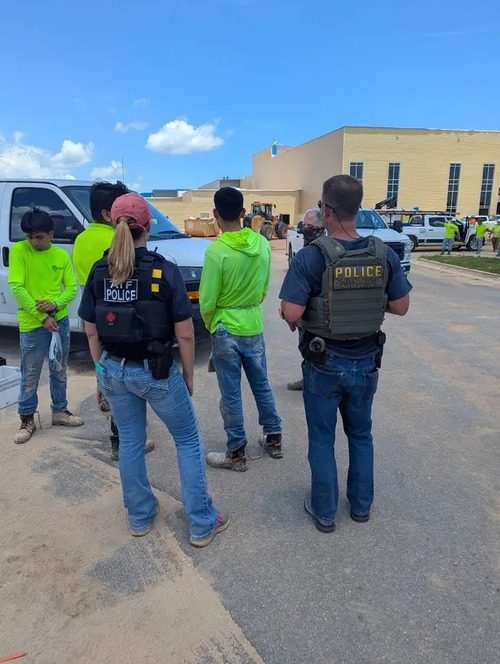
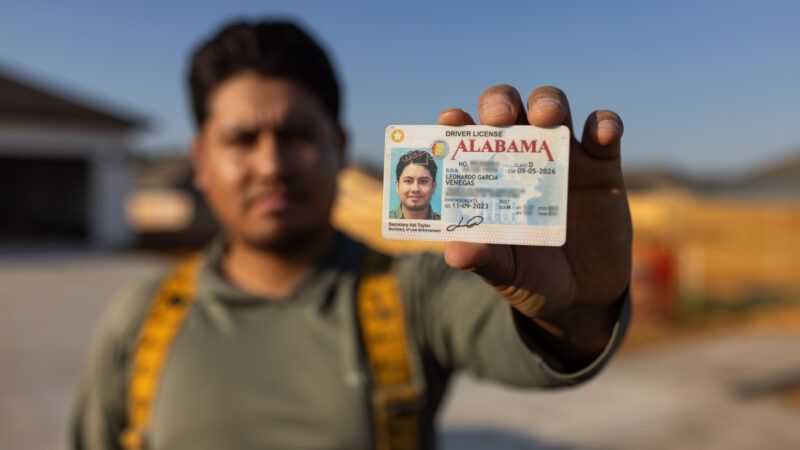
A federal judge barred U.S. immigration officers from three enforcement practices after a U.S.-born concrete worker said agents detained him twice at Alabama homebuilding sites, dismissing his state REAL ID as "fake." Chief U.S. District Court Judge Jeffrey Beaverstock ruled the policies likely violate the Fourth Amendment.

The temporary stay blocks warrantless entry onto private construction sites, detention of workers based on a demographic profile, and continued detention after proof of citizenship or lawful presence. It applies only within the Southern District of Alabama. The government will likely appeal.

Why it matters

If it stands, federal immigration officers in southern Alabama can no longer enter private construction sites or hold workers without a warrant and specific suspicion.

Questions about this story

Free account needed to ask — your question is kept and asked for you right after sign-up. Answers are public.

No questions yet — be the first to ask.

Key Indicators

3
Enforcement policies temporarily stayed
Warrantless entry, preemptive detention, and continued detention after showing proof of status.
35.2%
Latino share of construction industry workforce
About 4.2 million workers, per construction-industry council research cited by the ruling's commentators.
2
Times the plaintiff was detained
Leonardo Garcia Venegas was held at two private homebuilding sites, once inside a nearly completed home.

Voices

Curated perspectives — historical figures and your fellow readers.

Ever wondered what historical figures would say about today's headlines?

Sign up to generate historical perspectives on this story.

People Involved

Organizations Involved

Timeline

2025 September 2026

4 events Latest: September 21st, 2026 · 3 weeks ago
Tap a bar to jump to that date
  1. Concrete worker detained twice at Alabama sites

    Incident

    ICE agents detain Venegas twice, once inside a nearly completed home; he shows a STAR ID both times.

Scenarios

1

Appeals court lifts the stay, raids resume

Likely Resolves by Q2 2027

Discussed by: DHS lawyers and observers who note the ruling is likely to be appealed

DHS appeals the stay to the Eleventh Circuit. The appellate court could lift it, letting the three practices resume while the case proceeds. The government's core argument is that construction sites are "open fields" where officers may enter without a warrant.

2

Preliminary injunction bars the policies until trial

Possible Resolves by End of 2027

Discussed by: Plaintiff's counsel and civil-liberties analysts tracking the case

Venegas wins the preliminary injunction outright, keeping the three practices blocked until the case is decided. The court already found the policies "likely unlawful," which strengthens this path if the stay survives on appeal.

3

DHS voluntarily revises its enforcement policies

Possible Resolves by Q1 2027

Discussed by: Construction-law attorneys commenting on the ruling

Under legal pressure, DHS or ICE issues new written guidance restricting warrantless entries and preemptive detentions at private worksites. That narrows the dispute and could settle the case before a final ruling.

Historical Context

3 moments from history that rhyme with this story — and how they unfolded.

June 1975

United States v. Brignoni-Ponce (1975)

Border Patrol agents stopped a car near the U.S.-Mexico border "solely because" the occupants appeared to be of Mexican ancestry. The Supreme Court ruled that apparent Mexican ancestry alone is not reasonable suspicion to justify a stop.

Then

The stop was ruled unlawful, and courts applied the "reasonable suspicion" standard to immigration enforcement.

Now

Established that demographic appearance cannot justify immigration stops without additional facts.

Why this matters now

The same logic underpins Venegas's challenge to ICE preemptive detention of workers based on a generalized Latino demographic profile.

April 1984

Oliver v. United States (1984)

Police searched a farm field without a warrant after passing a "No Trespassing" sign. The Supreme Court held that the "open fields" doctrine permits warrantless entry onto undeveloped outdoor areas.

Then

Warrantless searches of open fields were upheld under the Fourth Amendment.

Now

The government cited this doctrine to justify warrantless ICE entry onto construction sites.

Why this matters now

Beaverstock declined to extend "open fields" to a private, nearly completed home, noting the government offered no support for that application.

April 2010

Arizona SB 1070 (2010)

Arizona passed a law requiring police to check immigration status during lawful stops and making it a state crime to lack immigration documents. Critics called it a "show me your papers" regime enabling racial profiling.

Then

The Supreme Court struck down several provisions in Arizona v. United States (2012) but left the status-check requirement intact with limits.

Now

The case set boundaries on immigration enforcement keyed to appearance and status.

Why this matters now

Venegas's suit echoes concerns that enforcement tied to how workers look or where they work burdens citizens and residents who fit the profile.

Sources

(7)