

Pull to refresh
Logo
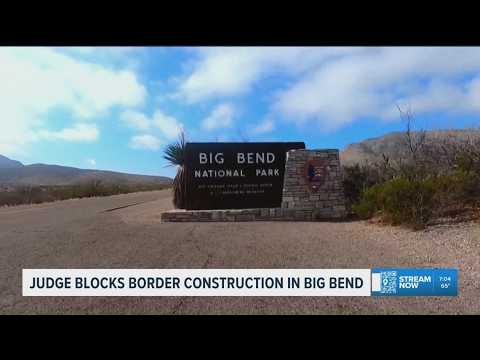
Federal judge halts $7.5 billion in Big Bend border construction

Federal judge halts $7.5 billion in Big Bend border construction

Rule Changes

Injunction stays DHS construction waivers across 500-mile West Texas sector

3 days ago: CBP silent on contract status

Overview

Updated Yesterday

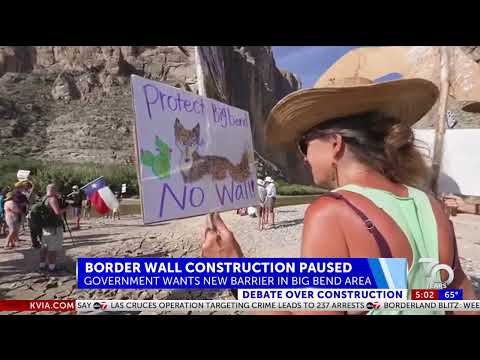
A federal judge halted border-barrier construction across Texas's Big Bend region on October 2, freezing five contracts worth about $7.5 billion and staying the Department of Homeland Security (DHS) construction waivers that had let contractors bypass environmental review. Work had already begun on 30-foot steel panels along a 47-mile stretch of Hudspeth County when the injunction landed.

The order bars ground-disturbing activity across the Border Patrol's Big Bend Sector, which spans more than 500 miles of West Texas, until the government complies with environmental and cultural-resource laws. Customs and Border Protection (CBP) has not said whether it will formally suspend the contracts, demobilize crews, or appeal to the Fifth Circuit.

Why it matters

Border-wall construction in West Texas now faces full environmental review, which can stretch for years and reshape a $46 billion national program.

Questions about this story

Free account needed to ask — your question is kept and asked for you right after sign-up. Answers are public.

No questions yet — be the first to ask.

Key Indicators

$7.5B
Value of five contracts under injunction
Barnard Construction holds about $2 billion, Fisher Sand & Gravel about $3.8 billion, and Southwest Valley Constructors the remaining $1.72 billion.
5
Contracts affected by the injunction
All five federal border-infrastructure contracts in the Big Bend Sector are barred from ground-disturbing work.
500+ miles
Span of the Big Bend Border Patrol Sector
The injunction covers the entire sector across West Texas, from Hudspeth County to the Del Rio area.

Voices

Curated perspectives — historical figures and your fellow readers.

Ever wondered what historical figures would say about today's headlines?

Sign up to generate historical perspectives on this story.

People Involved

Organizations Involved

Timeline

July 2026 October 2026

7 events Latest: 3 days ago
Tap a bar to jump to that date
  1. CBP silent on contract status

    Latest Reporting

    Engineering News-Record reports CBP has not disclosed whether it issued stop-work orders or contractors are demobilizing.

  2. CBP construction pause lapses

    Agency Action

    The agency's extended pause on in-park construction ends.

  3. Steel panels erected in Hudspeth County

    Construction

    Contractors begin erecting 30-foot steel barrier panels along a 47-mile stretch, moving from site preparation to vertical construction.

  4. CBP pauses park construction

    Agency Action

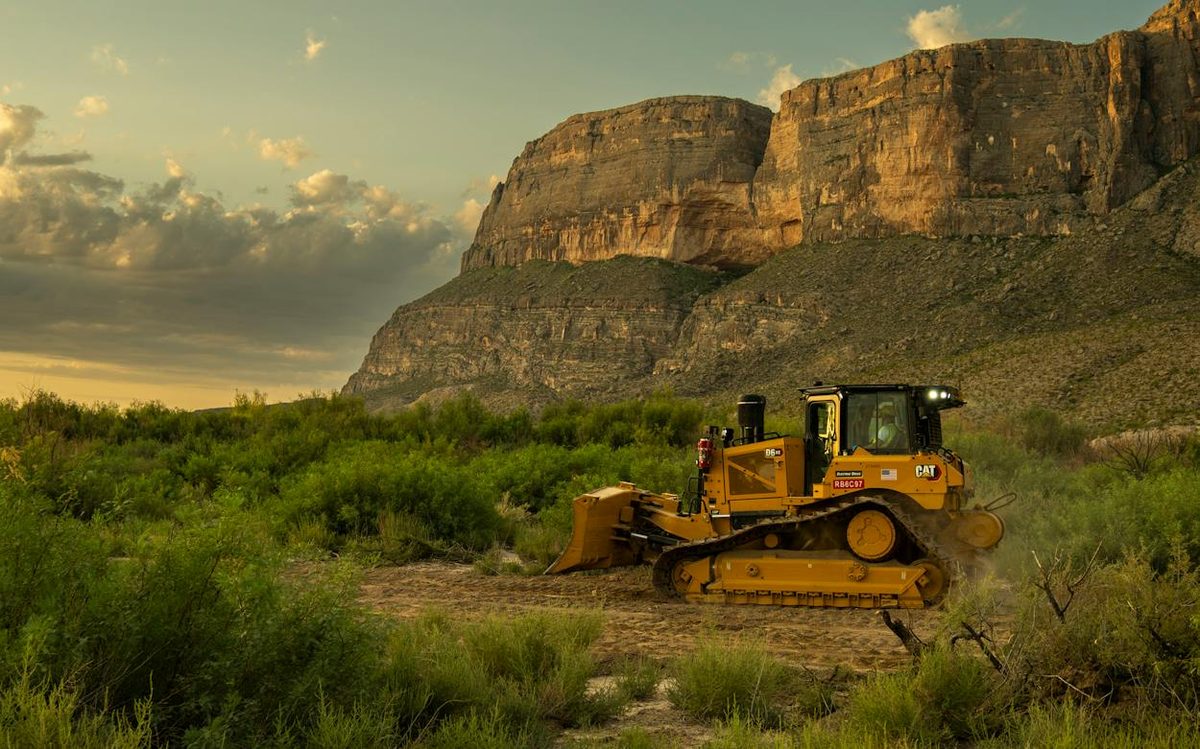
    Customs and Border Protection pauses construction inside Big Bend National Park after bulldozers were seen clearing land.

Scenarios

1

Fifth Circuit lifts the injunction, construction resumes

Possible Resolves by Q2 2027

Discussed by: Legal observers citing the Fifth Circuit's record in border cases; DHS says it is working with the Justice Department on its response

DHS appeals to the U.S. Court of Appeals for the Fifth Circuit, which has historically deferred to executive authority on border security. An emergency motion to stay the injunction could succeed within weeks, allowing contractors to resume work under the original waivers while the case proceeds.

2

Injunction holds; construction stays suspended

Likely Resolves by Q1 2027

Discussed by: Plaintiffs' attorneys and environmental groups; the injunction requires compliance with "all applicable laws"

No successful appeal, and CBP issues formal stop-work orders. The government begins environmental and cultural-resource reviews, a process that can take over a year. Contractors remain mobilized or idle while the contracts' schedules and costs stretch.

3

Case settles; work resumes under modified plan

Unlikely Resolves by End of 2027

Discussed by: The plaintiff coalition includes landowners, businesses, and environmentalists who may negotiate design changes

After the injunction, DHS redesigns the park segment or agrees to mitigation measures. The parties settle, and construction resumes under a plan that accommodates environmental or flood-control concerns, possibly with altered barrier design or routing.

Historical Context

2 moments from history that rhyme with this story — and how they unfolded.

2005-2008

Secure Fence Act and the REAL ID waiver (2005-2008)

Congress passed the Secure Fence Act of 2006 authorizing hundreds of miles of border fencing along the U.S.-Mexico border. The REAL ID Act of 2005 had given the DHS secretary power to waive environmental and other laws deemed necessary for expeditious barrier construction.

Then

DHS Secretary Michael Chertoff used the waiver to bypass environmental review and other requirements, and courts upheld the authority as constitutional.

Now

Hundreds of miles of fencing were built, and the waiver authority became the standard legal tool DHS used to fast-track border infrastructure in later administrations.

Why this matters now

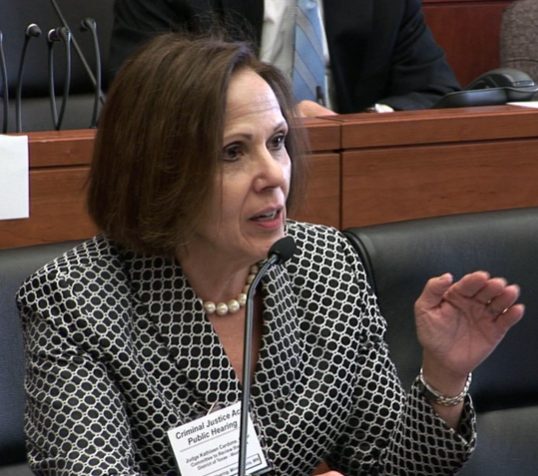
Cardone's injunction stays the modern version of this waiver authority, forcing DHS back into the environmental review process the Secure Fence Act era was designed to avoid.

2019-2021

Trump v. Sierra Club border wall litigation (2019-2021)

Environmental groups led by the Sierra Club sued to block border wall construction funded with diverted military appropriations. A California district court issued a preliminary injunction stopping the work.

Then

The Supreme Court in July 2019 stayed the injunction, allowing construction to proceed with Pentagon funds while the case continued in lower courts.

Now

The litigation dragged on for years and delayed some segments, showing that court challenges can slow but rarely permanently stop border barrier programs.

Why this matters now

The current Big Bend case follows the same pattern — an injunction halting construction — but the stakes are higher because DHS's waiver authority itself has been stayed, not just the funding mechanism.

Sources

(6)