


Pull to refresh
Logo
Judge blocks FEMA from tying antiterrorism grants to election changes

Judge blocks FEMA from tying antiterrorism grants to election changes

Rule Changes

Court vacates conditions linking Homeland Security funds to paper ballot audits and citizenship checks

Yesterday: Judge Ali grants summary judgment, vacates conditions

Overview

Updated Yesterday

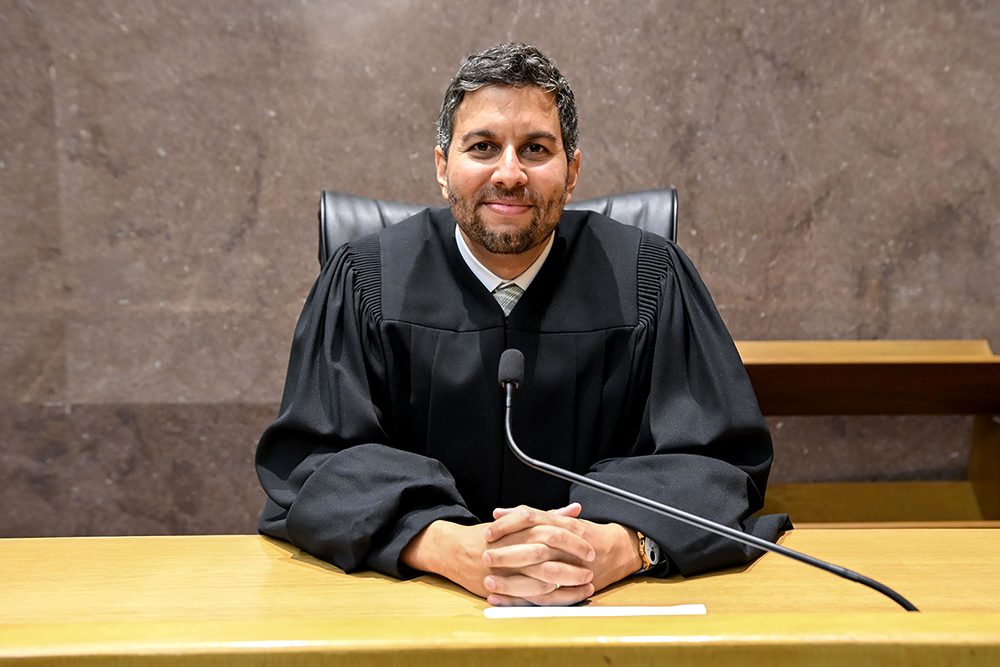
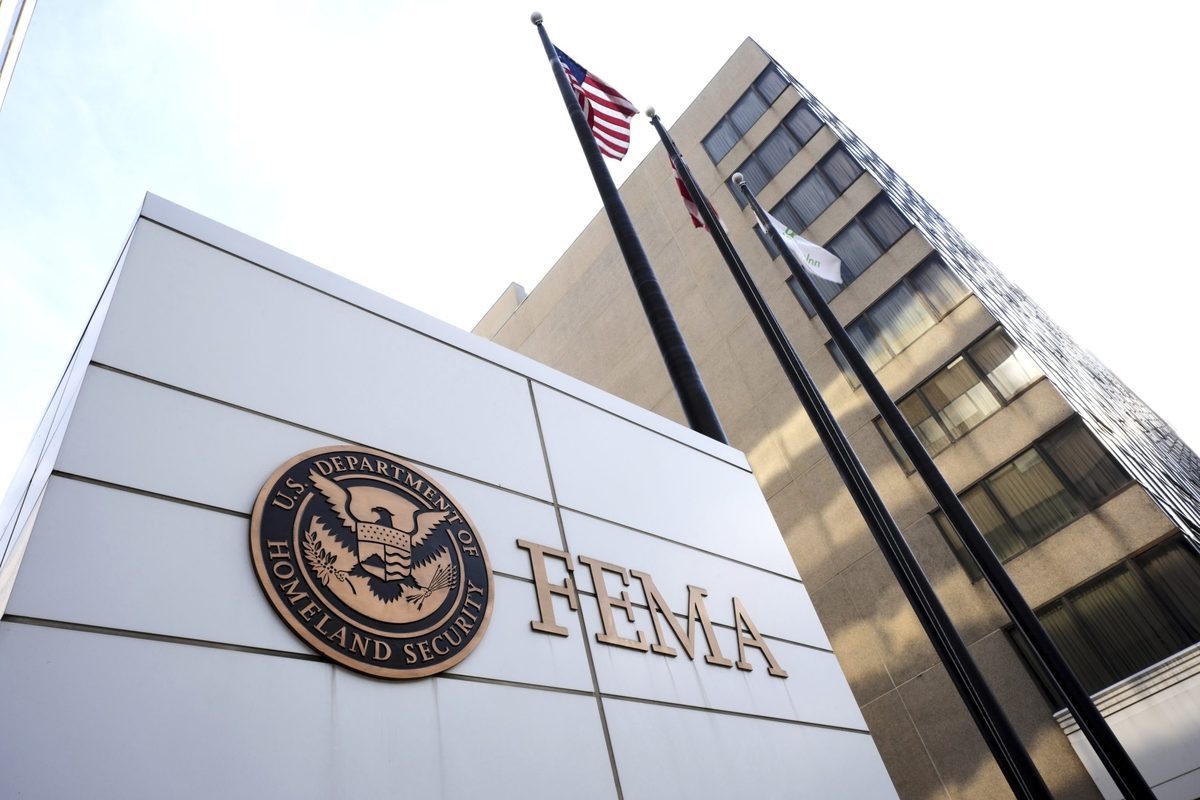
A federal judge on Monday barred FEMA from withholding anti-terrorism grants from local governments that refuse the Trump administration's election rules. Judge Amir Ali of the District of Columbia struck down conditions that tied 20 percent of Homeland Security Grant Program funds to hand-marked paper ballot audits and citizenship checks through federal databases.

The ruling grants summary judgment to six cities and counties, including Nashville, Columbus, and Harris County, Texas, that sued in August. FEMA announced the requirements in June, after the administration failed to impose the same measures through executive orders and legislation. The decision ensures the grant money, normally $1 billion to $2 billion a year, flows without political strings attached.

Why it matters

The decision stops the federal government from using public safety dollars to force local election changes, keeping election administration with states and localities.

Questions about this story

Free account needed to ask — your question is kept and asked for you right after sign-up. Answers are public.

No questions yet — be the first to ask.

Key Indicators

20%
Share of HSGP funds FEMA sought to withhold
FEMA said it would hold back a fifth of counterterrorism grants unless election conditions were met.
$148M
FY 2026 HSGP funds frozen
At least that much was held hostage pending compliance, per a state attorneys general complaint filed in Rhode Island.
$1B–$2B
Annual size of counterterrorism grant program
The Homeland Security Grant Program typically distributes $1 billion to $2 billion each year.
6
Plaintiff jurisdictions
Nashville, Columbus, Harris, El Paso, Travis, and Dallas Counties sued FEMA and DHS over the conditions.

Voices

Curated perspectives — historical figures and your fellow readers.

Ever wondered what historical figures would say about today's headlines?

Sign up to generate historical perspectives on this story.

People Involved

Organizations Involved

Timeline

June 2026 September 2026

3 events Latest: Yesterday
  1. FEMA announces election conditions on anti-terrorism grants

    Policy Change

    FEMA said it would withhold 20 percent of Homeland Security Grant Program funds unless jurisdictions adopted paper ballot audits, SAVE citizenship checks, and related changes.

Scenarios

1

Appeals court upholds ruling, conditions stay dead

Likely Resolves by Q3 2027

Discussed by: Plaintiffs' counsel (Protect Democracy, Brennan Center) and constitutional law analysts expect the ruling to hold on appeal

DHS and FEMA appeal to the D.C. Circuit, which affirms Judge Ali's conclusion that the statute authorizes grants for terrorism preparedness, not election administration reform. The ruling becomes binding precedent limiting how federal agencies can condition homeland security grants.

2

Trump administration appeal revives conditions

Possible Resolves by Q3 2027

Discussed by: The administration had committed to the election conditions and could argue they fall within DHS's counterterrorism mandate

The D.C. Circuit reverses, finding the conditions reasonably related to the statutory purpose of protecting against threats to election infrastructure, including foreign interference. The administration resumes withholding 20 percent of HSGP funds from non-compliant jurisdictions.

3

FEMA rewrites conditions to address court's concerns

Possible Resolves by Q1 2027

Discussed by: Judge Ali's opinion suggested conditions tied directly to terrorist threats might pass review; the administration could redraft

Rather than appeal, the administration issues revised FY 2027 grant conditions that tie election security measures more directly to terrorism preparedness, such as protecting election infrastructure from foreign attacks. The new conditions would face fresh legal challenge if jurisdictions sue.

Historical Context

2 moments from history that rhyme with this story — and how they unfolded.

1987

South Dakota v. Dole (1987)

Congress passed a law withholding 5 percent of federal highway funds from states that didn't raise their drinking age to 21. South Dakota sued, challenging the condition as beyond Congress's spending power.

Then

The Supreme Court upheld the condition 7-2, ruling Congress may attach conditions to spending so long as they relate to the purpose of the funds.

Now

Dole established the framework for conditional federal spending, allowing Congress broad authority to shape state policy through funding conditions.

Why this matters now

The FEMA case tests whether an agency, not Congress, can impose spending conditions, and whether election administration counts as a legitimate purpose of counterterrorism funds.

2012

NFIB v. Sebelius (2012)

The Affordable Care Act threatened to withhold all existing Medicaid funds from states that declined to expand coverage. Twenty-six states challenged the penalty as an unconstitutional condition.

Then

Chief Justice Roberts wrote that threatening to revoke existing Medicaid funding was "economic dragooning," and the Court held the penalty exceeded Congress's spending power.

Now

The decision established that conditional spending has limits and that courts will strike down penalties that effectively coerce state compliance.

Why this matters now

This ruling applies the same anti-coercion principle to FEMA's attempt to make grants contingent on adoption of unrelated election policies.

Sources

(6)