



Pull to refresh
Logo
Latvia's United List wins parliamentary election amid Russian hybrid threat

Latvia's United List wins parliamentary election amid Russian hybrid threat

Force in Play

Centrist party takes 42 of 100 Saeima seats; prime minister Andris Kulbergs must build a new coalition

Yesterday: United List wins 42 seats

Overview

Updated 1 hour ago

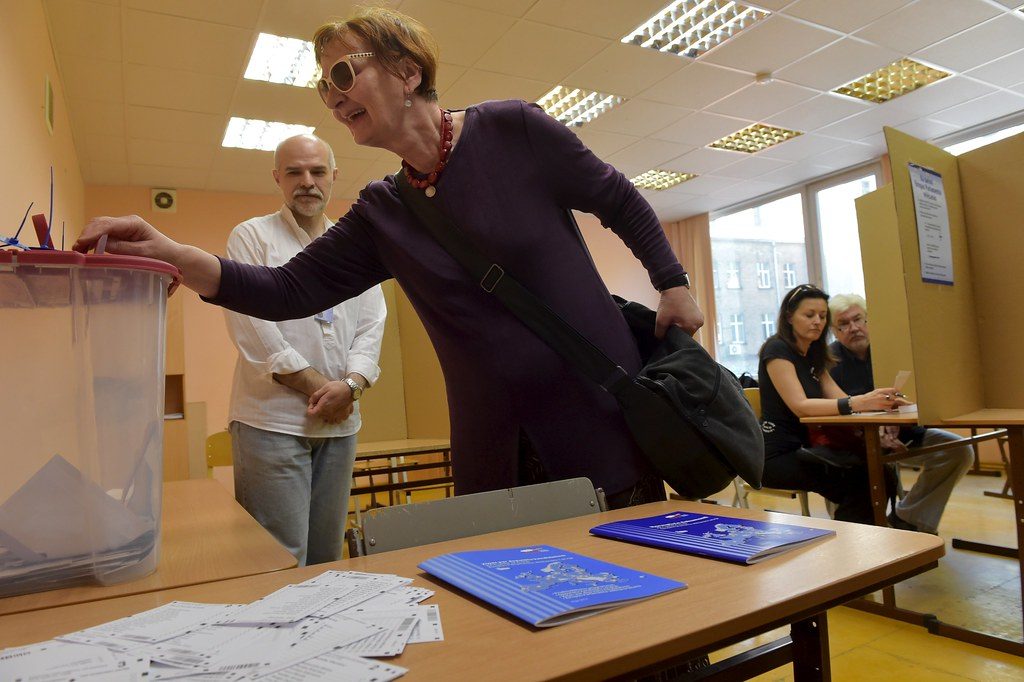
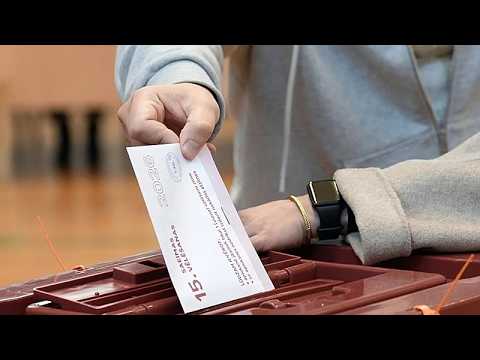
Latvian voters went to the polls October 3 and handed Prime Minister Andris Kulbergs's centrist United List party its largest parliamentary victory since the country regained independence in 1991. With 97% of ballots counted, United List held 35.3% of the vote and 42 of the Saeima's 100 seats.

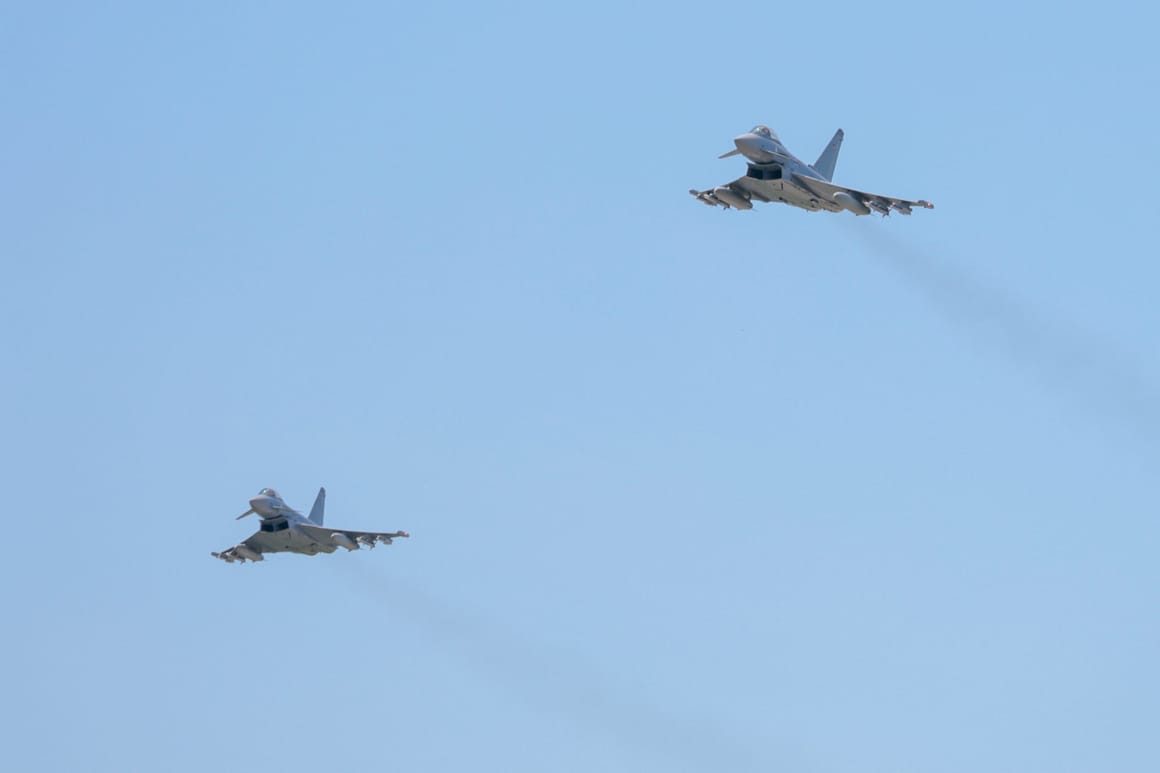
The election took place under NATO air defense over Latvia, with Germany deploying four Eurofighter jets to guard Baltic airspace during the vote. The backdrop includes repeated drone incursions from Russia and Belarus, a hybrid campaign of sabotage and disinformation, and a coalition partner that failed to clear the 5% threshold — forcing Kulbergs to assemble a new ruling majority.

Why it matters

Latvia's government shapes NATO's response to Russian drone and hybrid threats along an alliance border where incursions are already routine.

Questions about this story

Free account needed to ask — your question is kept and asked for you right after sign-up. Answers are public.

No questions yet — be the first to ask.

Key Indicators

42
Seats won by United List in the 100-seat Saeima
Largest single-party result since Latvia regained independence in 1991.
35.3%
United List vote share
Final count with 97% of ballots reported on October 4.
5%
Threshold for Saeima representation
Parties must clear 5% nationally to win parliamentary seats.
3.7%
Union of Greens and Farmers result
Coalition partner fell below the threshold and lost its seats.
4
NATO Eurofighter jets deployed to Latvia
German aircraft reinforced Baltic air policing for the election period.

Voices

Curated perspectives — historical figures and your fellow readers.

Ever wondered what historical figures would say about today's headlines?

Sign up to generate historical perspectives on this story.

People Involved

Organizations Involved

Timeline

May 2026 October 2026

5 events Latest: Yesterday
Tap a bar to jump to that date
  1. United List wins 42 seats

    Latest Election Result

    Final tally: United List 35.3%, 42 seats; Union of Greens and Farmers missed the 5% threshold.

  2. Latvians vote for new Saeima

    Election

    Voters elected 100 Saeima seats amid drone incursions and hybrid warfare during the Russia-Ukraine war.

  3. NATO shoots down drone over Lithuania

    Security

    NATO fighter downed a drone believed to have crossed from Belarus into Lithuanian airspace.

  4. Intelligence warns of hybrid threats

    Security

    Latvian intelligence warned Moscow may test Poland and the Baltics with hybrid attacks or drone incursions.

  5. Latvian coalition collapses over drone handling

    Political

    Governing coalition fell after Ukrainian drone incursions went undetected; Kulbergs became prime minister.

Scenarios

1

Kulbergs forms stable pro-Ukraine coalition before December

Likely Resolves by Nov 30, 2026

Discussed by: Reuters, Politico, Eastflank analysts

United List has 42 seats and needs a partner to reach 51. The nationalist National Alliance and the liberal Progressives are the leading candidates. A Kulbergs-led government would keep Latvia on its pro-Ukraine course, with defense spending moving toward 5% of GDP.

2

Coalition talks stall, yielding a weak minority or snap election

Possible Resolves by End of 2026

Discussed by: Eastflank analysts, Politico

The Progressives' agenda on human rights and minority rights is controversial among conservative coalition partners. If negotiations drag on or fail, Latvia could face a minority government or a fresh election, creating uncertainty about defense continuity during a tense security period.

3

Russian hybrid escalation disrupts the transition

Unlikely Resolves by Nov 30, 2026

Discussed by: Latvian State Security Service, Western intelligence officials

Latvian intelligence warned in June that Moscow may test Poland and the Baltics with hybrid attacks or drone incursions. A significant incident during coalition talks could reshape political calculations and force a harder security posture than planned.

Historical Context

3 moments from history that rhyme with this story — and how they unfolded.

March 2004

Baltic states join NATO (2004)

Estonia, Latvia, and Lithuania joined NATO in 2004, two years after the alliance's Prague summit invited them. The accession placed the three former Soviet republics under the collective defense umbrella, with U.S. and European troops rotating through their territory.

Then

The Baltics gained formal security guarantees from the alliance, ending their post-Soviet security vacuum.

Now

NATO membership became the framework for all subsequent Baltic defense decisions, including the enhanced forward presence established after 2014 and the air-policing mission flown during the 2026 election.

Why this matters now

NATO's reinforcement of Latvian airspace during the October 2026 vote is a direct expression of the same commitment made in 2004 — the alliance's eastern flank is defended as its own territory.

February-March 2014

Russia annexes Crimea (2014)

Russia annexed Crimea and backed separatist uprisings in eastern Ukraine, seizing territory by force and igniting a war that continues today. The annexation was the first forcible redrawing of European borders since World War II.

Then

NATO responded by establishing an enhanced forward presence with battalion-size battle groups in the Baltics and Poland.

Now

Baltic states raised defense spending and hardened their posture toward Moscow. The threat perception shaped in 2014 governs how Latvia approaches the 2026 security environment.

Why this matters now

The 2014 annexation set the security template that dominates Latvia's 2026 election: a NATO eastern flank facing an assertive Russia, with hybrid tactics layered on top of conventional threats.

May 2022

Finland and Sweden seek NATO membership (2022)

Days after Russia's full-scale invasion of Ukraine, Finland and Sweden abandoned decades of neutrality and applied to join NATO. Finland joined in April 2023; Sweden followed in March 2024.

Then

The alliance's border with Russia roughly doubled, extending NATO's eastern flank into the Arctic.

Now

The invasion reset European security thinking, with countries across the continent raising defense budgets and reassessing their relationship with Moscow.

Why this matters now

Russia's 2022 invasion hardened Latvia's pro-Ukraine stance and made security the defining issue of the 2026 election — the same fear that pushed Finland and Sweden into NATO drove Latvians to vote with drones in their airspace.

Sources

(11)