
Slovenia's pattern of anti-Janša new-party surges (2011–2022)
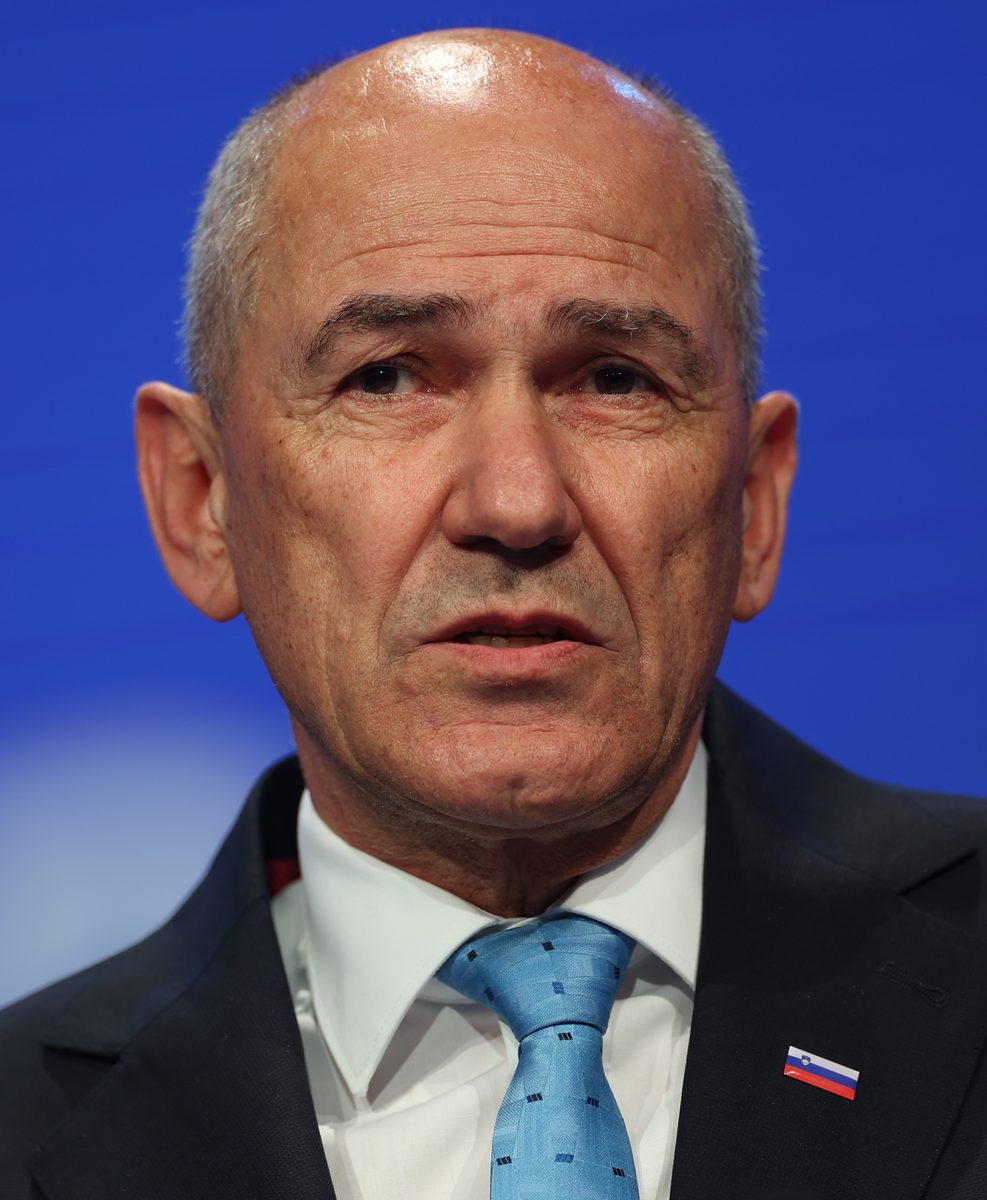
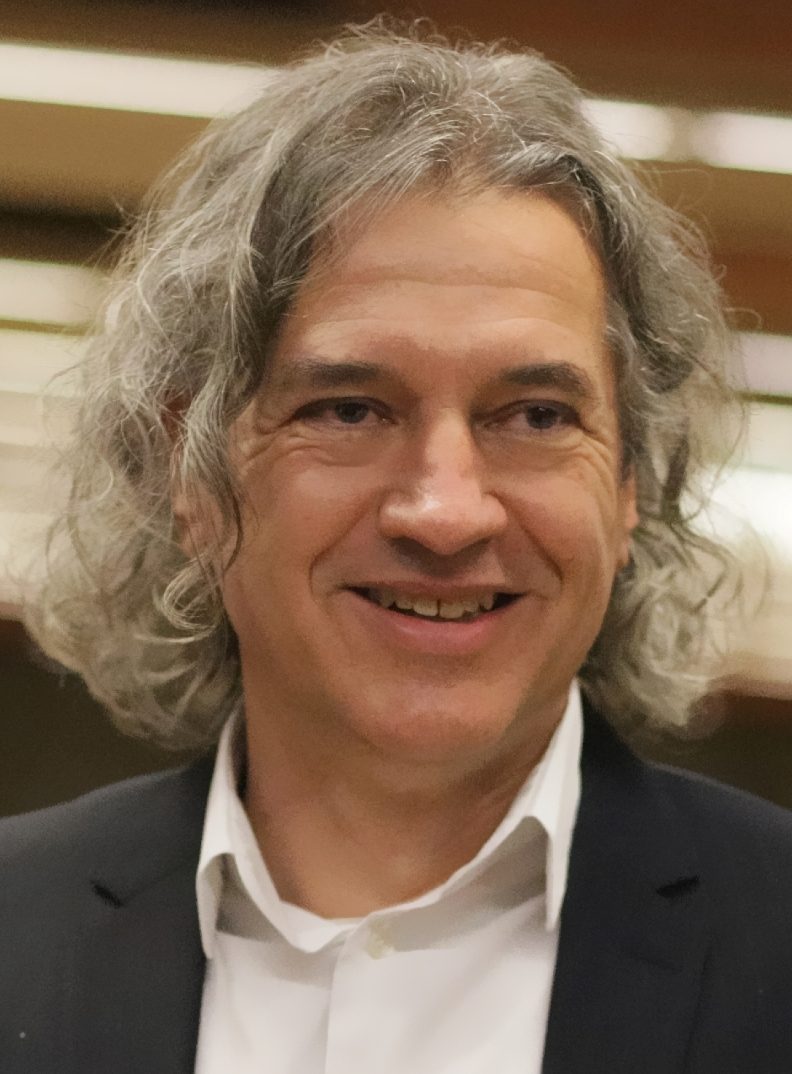
In three consecutive elections — 2011, 2014, and 2022 — newly formed parties surged to first place largely on the promise of being an alternative to Janša. Zoran Janković's Positive Slovenia won in 2011, Miro Cerar's party won in 2014 with 34%, and Golob's Freedom Movement won in 2022 with 34.5%. Each time, these parties explicitly refused to coalition with SDS.
Janša was kept out of power for most of the 2011–2022 period, governing only when coalitions collapsed and he assembled alternative majorities.
The pattern created a structural dynamic where SDS consistently polls strongly but struggles to find willing coalition partners, making the willingness of smaller parties to work with Janša the decisive variable in every Slovenian election.
The 2026 election tests whether this pattern holds. Logar's Demokrati was founded specifically as an alternative to Janša's style, but its centre-right positioning leaves open the possibility of joining an SDS-led coalition — which would break the decade-long blockade.