

Pull to refresh
Logo
Longeveron's stem cell therapy misses pediatric heart trial goal, company launches strategic review

Longeveron's stem cell therapy misses pediatric heart trial goal, company launches strategic review

Money Moves

Failed ELPIS II trial leaves cash-strapped Miami biotech weighing a sale, merger, or pivot to aging research

Today: Shares crash; cost cutting begins

Overview

Updated 1 hour ago

Longeveron's stem cell therapy for a rare pediatric heart disease missed the main goal of its mid-stage trial, and the Miami biotech is now fighting to stay alive. With about $10.1 million in cash at the end of June, the company announced a strategic review and cost-cutting plan.

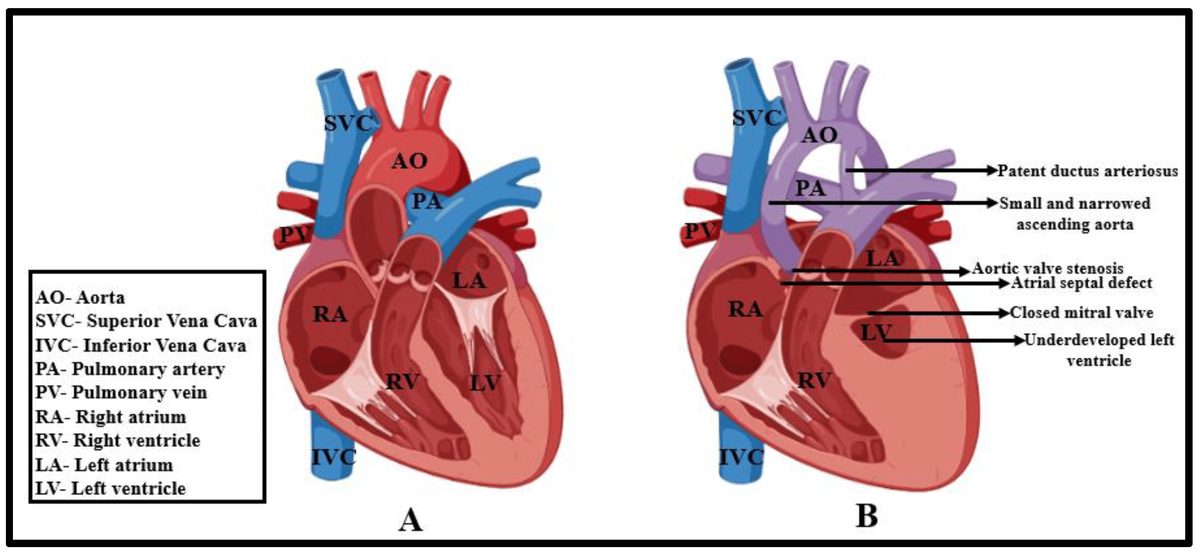
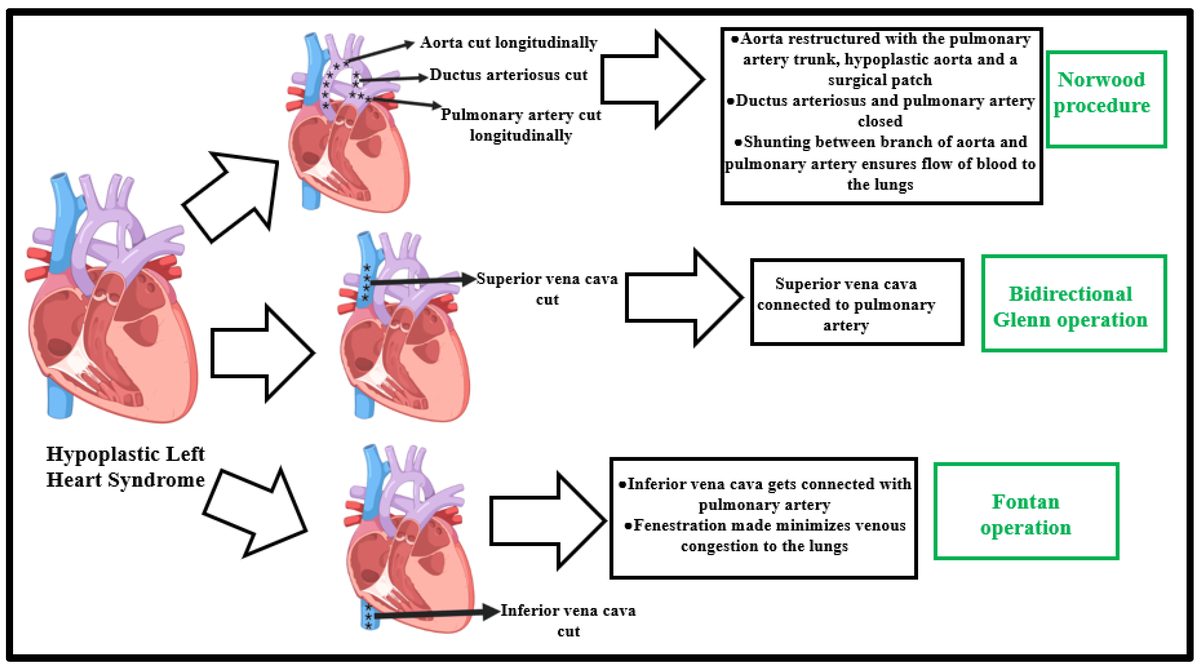
The treatment, laromestrocel, was given to 20 infants during a second-stage surgery for hypoplastic left heart syndrome, a birth defect where the left side of the heart is underdeveloped. It failed to improve right-ventricular pumping function at 12 months versus surgery alone. Exploratory data showed fewer deaths and heart events in treated infants, and the company plans to discuss those results with the FDA.

Why it matters

With a failed trial and $10 million left, Longeveron must sell, merge, or raise capital by year's end—deciding whether laromestrocel ever reaches patients.

Questions about this story

Free account needed to ask — your question is kept and asked for you right after sign-up. Answers are public.

No questions yet — be the first to ask.

Key Indicators

-0.7 pct pts
Primary endpoint difference (RVEF at Month 12)
Change from baseline in right ventricular ejection fraction, treated vs control; p=0.83.
$10.1M
Cash on hand (June 30)
Enough to fund operations into the fourth quarter of 2026.
57%
Share drop (pre-market, Sept 17)
Shares fell to $2.86 in Thursday pre-market trading after the announcement.
40
Infants enrolled in ELPIS II
Randomized 1:1 to laromestrocel or standard-of-care surgery alone.
644
Patients treated across all laromestrocel trials
Includes ELPIS II plus earlier safety and efficacy programs.

Voices

Curated perspectives — historical figures and your fellow readers.

Ever wondered what historical figures would say about today's headlines?

Sign up to generate historical perspectives on this story.

People Involved

Organizations Involved

Timeline

2021 September 2026

5 events Latest: Today
Tap a bar to jump to that date
  1. Shares crash; cost cutting begins

    Today Market Reaction

    Stock falls 57% pre-market to $2.86; company pledges cost cuts and plans to hire an investment bank.

  2. ELPIS II misses primary endpoint

    Trial Result

    Topline announcement: laromestrocel misses primary endpoint; company starts strategic review and cash conservation.

  3. XPRIZE Healthspan Milestone win

    Award

    Longeveron named XPRIZE Healthspan Milestone 2 Awardee, winning a $1 million prize.

  4. Positive frailty results published

    Publication

    Phase 2b aging-frailty results show improved physical function; published in Cell Stem Cell.

  5. ELPIS II trial launches

    Study

    Phase 2b trial launches with NIH funding, enrolling 40 infants with hypoplastic left heart syndrome.

Scenarios

1

Acquirer buys Longeveron before year-end

Likely Resolves by Q3 2027

Discussed by: Reuters, BioSpace coverage of the strategic review

Longeveron has hired an investment bank to find strategic alternatives. Its remaining assets — laromestrocel's safety record, the frailty program's positive Phase 2b data, and an XPRIZE Healthspan presence — give a suitor reasons to buy despite the HLHS failure. The most likely deal is a merger or asset sale at a discount to past valuations.

2

Longevity pivot keeps company independent

Possible Resolves by Q1 2027

Discussed by: Company statements; Cell Stem Cell publication; XPRIZE Healthspan program

Longeveron keeps advancing laromestrocel in aging-related frailty, where Phase 2b results showed gains in physical function. Winning the XPRIZE grand prize (up to $81 million) or landing an equity raise could bankroll a pivotal frailty trial. The HLHS program would be deprioritized or halted.

3

Cash runs out, bankruptcy or delisting follows

Possible Resolves by Q2 2027

Discussed by: BioSpace analysis of the $10.1 million cash runway

If the strategic review stalls and financing stays scarce, cash ends this year. Longeveron would then need to file for Chapter 11 protection or face NASDAQ delisting. The XPRIZE award and frailty data would likely be sold or transferred to creditors and new owners.

Historical Context

2 moments from history that rhyme with this story — and how they unfolded.

2010–2015

Dendreon and Provenge (2010–2015)

Dendreon won FDA approval for Provenge, an immunotherapy for advanced prostate cancer, in 2010. Manufacturing costs and commercial struggles outpaced revenue, and the company filed for Chapter 11 in 2014.

Then

Dendreon emerged from bankruptcy in 2015; Valeant Pharmaceuticals bought it later that year.

Now

Provenge still sells under new owners, showing approved cell therapies can outlive their original companies.

Why this matters now

Both stories show how cell-therapy companies end up in distress — Dendreon after approval, Longeveron after a failed trial — and get reshaped by new capital and owners.

2022–2024

Athersys and MultiStem (2022–2024)

Cleveland-based Athersys staked its future on MultiStem, a stem cell therapy for stroke. Its Phase 3 trial (MASTERS-2) missed the primary endpoint, and shares fell sharply. The company cut staff and pursued strategic alternatives while converting debt to equity.

Then

Athersys kept struggling commercially and filed for Chapter 11 bankruptcy protection in 2024.

Now

The MultiStem program effectively ended; shareholders were largely wiped out.

Why this matters now

A single missed late-stage endpoint can drain a cash-poor cell therapy company into insolvency despite years of strategic review, the same path Longeveron hopes to avoid.

Sources

(11)